Избранное сообщение

Показаны сообщения с ярлыком children. Показать все сообщения

четверг, 25 июля 2024 г.

Rising heat in Europe and Central Asia killing almost 400 children a year: UNICEF


Rising heat across Europe and Central Asia kills nearly 400 children a year, according to latest data.
© Unsplash/Derek Thomson
 
Rising heat across Europe and Central Asia kills nearly 400 children a year, according to latest data.


24 July 2024 
Climate and Environment

Soaring summer temperatures in Europe and Central Asia are killing nearly 400 children a year according to new analysis of the latest available data by the UN Children’s Fund (UNICEF) released on Wednesday.

UNICEF revealed that 377 children died in 2021 based on data from 23 countries across the vast region.

Heat-related illnesses claimed the lives of half of those vulnerable youngsters in the first year of their lives.

“Around half of children across Europe and Central Asia – or 92 million children - are already exposed to frequent heatwaves in a region where temperatures are rising at the fastest rate globally,” Regina De Dominicis, UNICEF Regional Director for Europe and Central Asia said.

Tweet URL

She warned that increasingly high temperatures can seriously complicate a child’s health, even in a short time frame.

“Without care, these complications can be life-threatening,” she said.

Heat exposure

According to UNICEF, heat exposure can have acute effects on a child even before they are born which can lead to pre-term births, low birth weight, stillbirth, and congenital anomalies.

The agency also noted that heat stress can directly lead to death, affect infant growth and be a gateway to paediatric diseases.

Further, UNICEF said that “extreme heat caused the loss of more than 32,000 years of healthy life among children and teenagers in the region.”

Recommendations

2024 has seen record high temperatures with this June registering as Earth’s hottest on record. It was the thirteenth record-setting month in a row.

UNICEF is urging governments in Europe and Central Asia to invest in “heat health action plans and primary healthcare to more adequately support heat-related illness among children.”

The children’s agency is also calling on governments to invest more in heat alert systems, ensure educational facilities reduce temperatures in areas where children play and securing safe provision of drinking water.

Other measures include equipping buildings to minimise exposure and establishing strategies to reduce the impact of heatwaves overall and especially for children.

UNICEF says they are working with governments and communities across Europe and Central Asia to “build resilience against heatwaves” by providing teachers, family and community health workers with the knowledge and skills to combat heat stress.


https://news.un.org/en/story/2024/07/1152466

https://creativecommons.org/licenses/by/4.0/legalcode

воскресенье, 9 июня 2024 г.

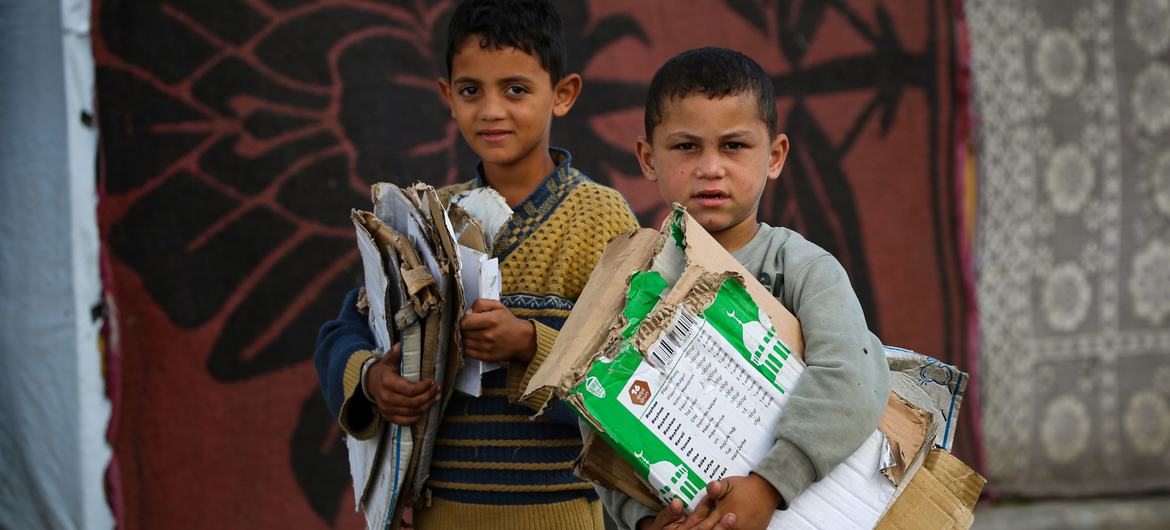
Amid Gaza war, children now work so families can survive: ILO


Children in Gaza collect cardboard to light fires for cooking.
© UNICEF/Eyad El Baba
 
Children in Gaza collect cardboard to light fires for cooking.


7 June 2024
Peace and Security

Eight months to the day since the Israel-Hamas war erupted in Gaza, the UN labour agency, ILO, warned on Friday that families there now send their children to work just to survive, as unemployment nears a staggering 80 per cent.

Details of that development and the “unprecedented devastation” to the Palestinian jobs market and the wider economy beyond Gaza and the West Bank are outlined in a new report from the ILO.

Ahead of its publication, the UN agency’s Director-General Gilbert Houngbo told the 112th International Labour Conference in Geneva on Thursday that the labour market in Gaza had “literally collapsed” since “horrific” Hamas-led terror attacks against Israel last October, that sparked Israel’s “relentless war”. 

“Today Gaza is in ruins. Livelihoods are shattered and work is scarce. Labour rights have been decimated,” he said. “This has been the hardest year for Palestinian workers since 1967. Never before has the situation been this bleak.”

Hard data 

According to data crunched by the ILO and the Palestinian Central Bureau of Statistics, unemployment in the Gaza Strip has reached 79.1 per cent. 

Although not directly impacted by the war, the occupied West Bank has also been severely impacted by the crisis, with almost one in three unemployed.

“These figures bring the average rate of unemployment to 50.8 per cent across the two areas of the OPT,” said the authors of The situation of Workers in the Occupied Arab Territories, before noting the true figure was likely even higher as it did not include individuals who had left the labour force altogether because of a lack of opportunities.

Unsurprisingly, overall economic output in Gaza has contracted by 83.5 per cent and by 22.7 in the West Bank over the past eight months, while the entire OPT economy has shrunk by nearly 33 per cent.

Health relief breakthrough

Tweet URL
WHOoPt

In related developments in Gaza on Friday, the UN health agency announced despite “significant constraints”, one fully-laden truck and a partially stacked trailer carrying medical relief had reached Gaza via the southern crossing of Kerem Shalom.

“The supplies will be distributed to health facilities to support the treatment of up to 44,000 people,” the World Health Organization (WHO) said in a post on X. 

The assistance comprises treatments for noncommunicable diseases such as hypertension and cardiac conditions, type 2 diabetes, and chronic respiratory diseases but much more relief is needed urgently via the still-closed Rafah crossing, the UN health agency insisted.

In a separate update, the WHO reported that 464 attacks on healthcare in the Gaza Strip have been documented since 7 October.

“Attacks have resulted in 727 fatalities, 933 injuries, affected 101 health facilities and 113 ambulances,” the World Health Organization (WHO) said in another post on X. 

“Two-fifths (37 per cent) of attacks were in Gaza City, nearly a quarter (23 per cent) in north Gaza, and over a quarter (28 per cent) in Khan Younis. WHO calls for the respect of international law and active protection of civilians and health care,” the UN agency insisted.

Rafah

In Rafah, fewer than 100,000 people now remain across the southern governorate, the UN aid coordination office, OCHA, reported late Thursday.

This follows the forced evacuation “of about a million people – who were again on the run” and moving toward Khan Younis and Deir al Balah, OCHA said, adding that the ongoing hostilities had massively disrupted the delivery of lifesaving relief.

The halt to fuel deliveries via Rafah crossing from Egypt had multiple negative ramifications, the UN aid office explained, as it affected “trucks, hospitals, sewage systems, desalination operations and bakeries”.

“As things stand, aid convoys still need to navigate active hostilities, barely passable roads, unexploded ordnance, and recurrent delays,” OCHA said.


Israel-Lebanon border clashes a grave concern: Guterres

The continuing exchange of fire between Israeli forces and militants in southern Lebanon along the UN-patrolled Blue Line frontier are a source of grave concern, the UN Secretary-General António Guterres said on Thursday.

In a statement issued in the evening from his Spokesperson’s Office in New York, the UN chief called for an urgent ceasefire.

He remains gravely concerned that the exchanges of fire have not only ravaged communities close to the Blue Line but have also impacted deeper into the territories of both Lebanon and Israel, with the use of increasingly destructive weapons”, the statement continued.

“These exchanges of fire could trigger a broader conflict with devastating consequences for the region.”


https://news.un.org/en/story/2024/06/1150776


https://creativecommons.org/licenses/by/4.0/legalcode


понедельник, 18 сентября 2023 г.

UNESCO: 250 million children now out of school


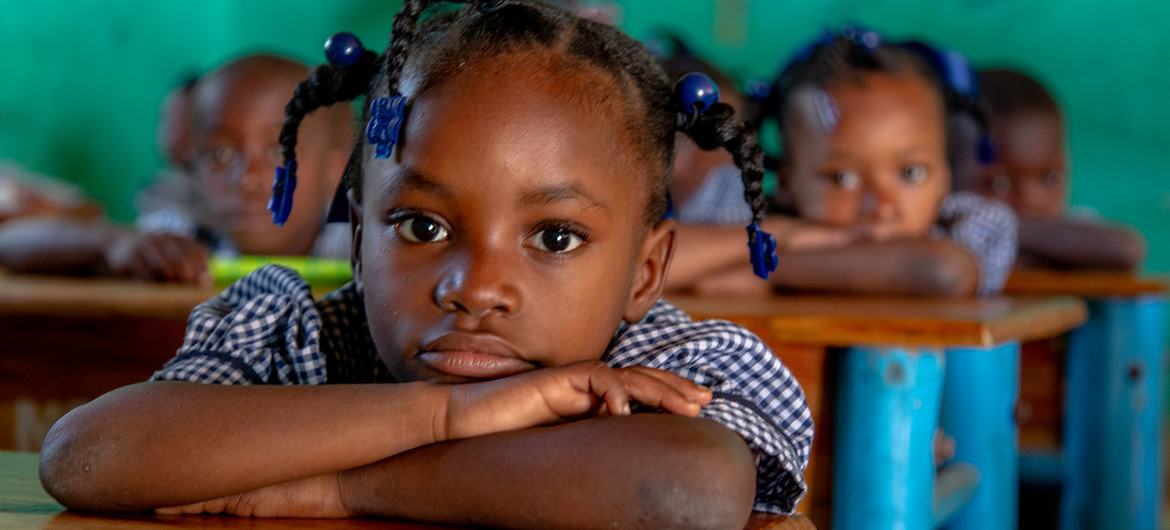
Students attend classes at a school in southwestern Haiti.
© UNICEF/Georges Harry Rouzier
 
Students attend classes at a school in southwestern Haiti.
18 September 2023
Culture and Education

The number of children missing out on any schooling has increased by six million, bringing the total to 250 million, according to new figures released on Monday by the UN Education, Science, and Cultural Organization (UNESCO).

The increase is partly due to the mass exclusion of women and girls from education in Afghanistan but can also be attributed to broader stagnation in education provision worldwide.

The findings undermine UN Sustainable Development Goal 4, which sets the goal of quality education for all by 2030.

Way off track

If countries were on track with their national SDG 4 targets, six million more children would be in pre-school, 58 million more children and adolescents would be in school, and at least 1.7 million more primary school teachers would have been trained, according to the report.

“Education is in a state of emergency,” said UNESCO Director-General Audrey Azoulay.

“While considerable efforts were made over the past decades to ensure quality education for all, UNESCO data demonstrates that the number of children out of school is now rising.

“States must urgently remobilize if they do not want to sell out the future of millions of children.”

Future ‘in your hands’

One year ago, 141 countries committed at the UN Transforming Education Summit to accelerate progress towards SDG 4. 

Four out of five countries aimed to advance teacher training and professional development, seven out of 10 committed to increasing or improving their investment in education, and one in four committed to increase financial support and school meal provision.

Tweet URL

For countries to achieve their SDG 4 targets, however, millions more children must be enrolled in early childhood education every year until 2030, and the progress in primary completion rates needs to almost triple. 

“These commitments must now be reflected in acts. There is no more time to lose. To achieve SDG 4, a new child needs to be enrolled in school every 2 seconds between now and 2030,” said the Director-General.

“The future of millions of children is in your hands”, she emphasised to Member States.

Insufficient growth

The report highlights that, since 2015, the number of children completing primary education has increased by less than three percentage points to 87 per cent. 

The number completing secondary education, meanwhile, has increased by less than five per cent to just 58 per cent. 

In the 31 low and lower-middle-income countries that measure learning progress at the end of primary school, Viet Nam is the only country where the majority of its children are achieving minimum proficiency in both reading and mathematics. 

Global framework

The Education 2030 Framework for Action calls on countries to set intermediate benchmarks for SDG 4 indicators. In an inclusive approach, countries were assisted in setting benchmarks to achieve by 2025 and 2030 for seven SDG 4 benchmarks on pre-primary education, school attendance, completion and learning, gender equity, learning proficiency, trained teachers, and public expenditure.

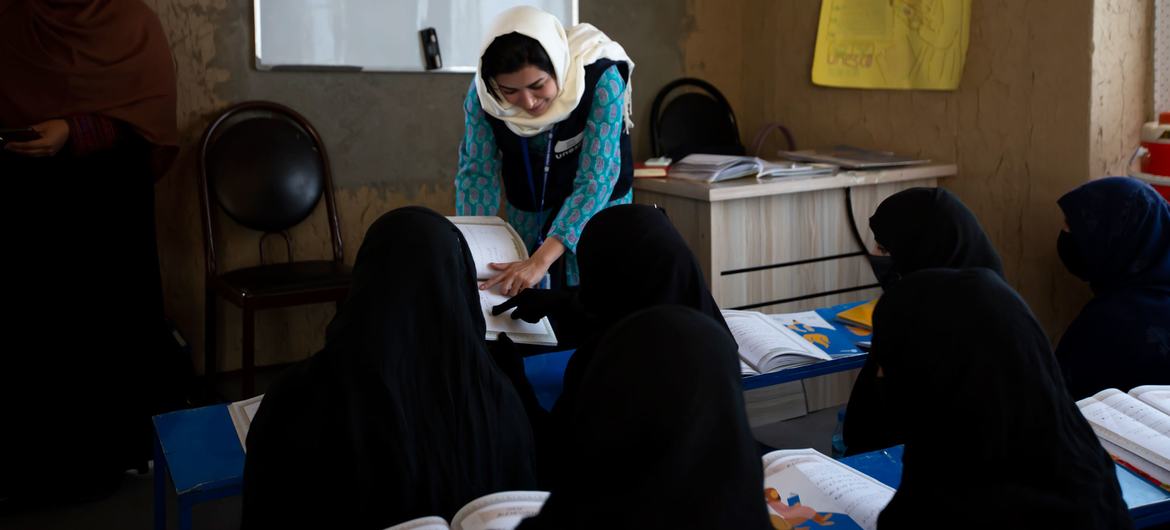
Students attending UNESCO's community-based literacy classes are experiencing schooling for the first time in their lives.
© UNESCO/Navid Rahi
 
Students attending UNESCO's community-based literacy classes are experiencing schooling for the first time in their lives.


https://news.un.org/en/story/2023/09/1140882
https://creativecommons.org/licenses/by/3.0/legalcode

среда, 30 августа 2023 г.

Protection of Schools, Education Must Be Ensured for Millions of Children, Youth in Crises, Armed Conflict, Secretary-General Stresses on International Day

Protection of Schools, Education Must Be Ensured for Millions of Children, Youth in Crises, Armed Conflict, Secretary-General Stresses on International Day

Following is UN Secretary-General António Guterres’ message for the International Day to Protect Education from Attack, observed 9 September:

Education is not only a fundamental human right, but a pathway to a better future for every person, and a more peaceful, understanding world.

On the International Day to Protect Education from Attack, we shine a light on a startling truth:  224 million children and young people are in urgent need of educational support — including 72 million who are out of school altogether — because of crises like armed conflict.

Attacks on students, teachers, educational personnel and schools are becoming all-too-common, cruelly disrupting young learners’ education and inflicting untold psychological and physical damage that can last a lifetime.

I call on all countries to ensure the protection of schools, children and teachers at all times.

I also urge all countries to endorse the Safe Schools Declaration, support the Global Coalition to Protect Education from Attack, and join the Global Initiative: Partnership for Transformative Actions in Crisis Situations that brings together partners to ensure children and young people can keep learning in times of crisis.

Together, we can ensure that schools are havens of safety and learning for every child, no matter where they live.


https://press.un.org/en/2023/sgsm21919.doc.htm
https://creativecommons.org/licenses/by/3.0/legalcode

воскресенье, 27 августа 2023 г.

New UN guidance affirms children’s right to a clean, healthy environment


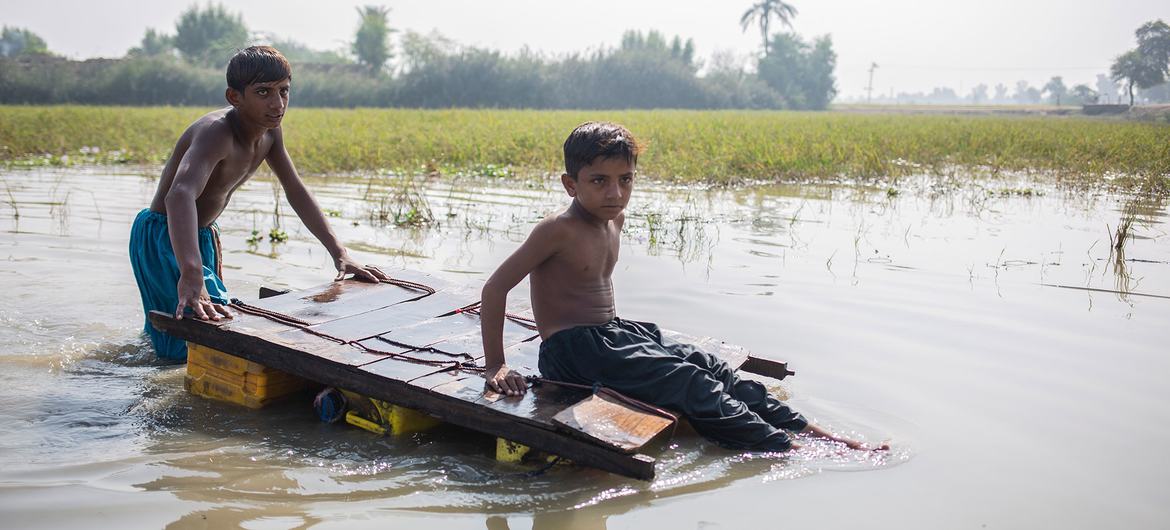
Children make their way home through contaminated floodwater in Jacobabad, Sindh province, Pakistan (file).
© UNICEF/Saiyna Bashir
 
Children make their way home through contaminated floodwater in Jacobabad, Sindh province, Pakistan (file).
28 August 2023
Climate and Environment

The UN Committee on the Rights of the Child issued new guidance on Monday that calls for governments to take action to protect boys and girls in the face of the deepening climate crisis.

The so-called General Comment No. 26 marks the first time the Committee has affirmed children’s right to live in a clean, healthy and sustainable environment.

It provides a comprehensive interpretation of State obligations under the UN Convention on the Rights of the Child, which has been ratified by 196 countries.

The 1989 treaty outlines children’s rights, including to life, health, clean drinking water, and survival and development.  

A General Comment provides legal guidance on how children's rights are impacted by a specific topic or area of legislation, with the latest addressing environmental rights with a special focus on climate change.

Amplifying children’s voices

Children have been at the forefront of the fight against climate change, urging governments and corporations to take action to safeguard their lives and the future, said Committee member Philip Jaffé.

“With its General Comment No. 26, the Committee on the Rights of the Child not only echoes and amplifies children’s voices, but also clearly defines the rights of children in relation to the environment that States Parties should respect, protect and fulfil collectively and urgently,” he added.

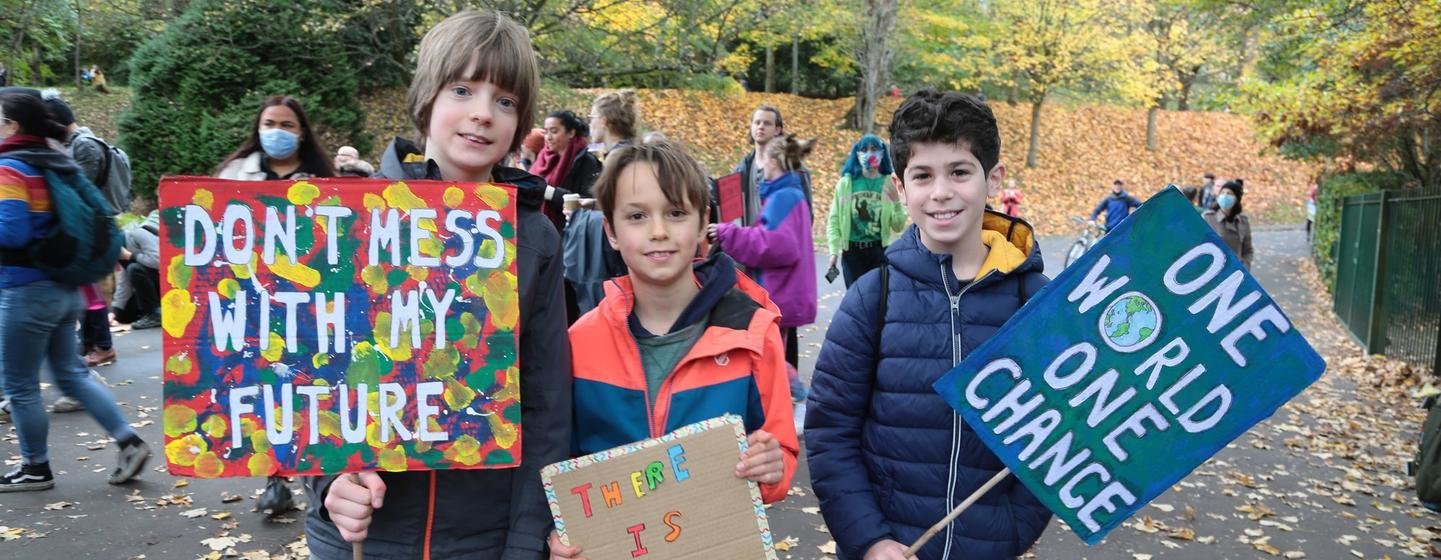
 In Glasgow, Scotland, people take part in a demonstration for climate action, led by youth climate activists and organized on the sidelines of the 2021 UN Climate Change Conference (COP26).
© UNICEF/Howard Elwyn-Jones
 
In Glasgow, Scotland, people take part in a demonstration for climate action, led by youth climate activists and organized on the sidelines of the 2021 UN Climate Change Conference (COP26).

Accountability today and tomorrow

The General Comment explicitly addresses the climate emergency, the collapse of biodiversity and pervasive pollution.

It specifies that States are responsible not only for protecting children’s rights from immediate harm, but also for foreseeable violations of their rights in the future due to action, or inaction, today.

Furthermore, it underlines that States can be held accountable for environmental harm occurring both within their borders and beyond.

Countries that have ratified the UN child rights convention are urged to take immediate action including towards phasing out fossil fuels and shifting to renewable energy sources, improving air quality, ensuring access to clean water, and protecting biodiversity.

‘A vital step forward’

The guidance also states that children’s views must be considered in environmental decision-making and stresses the critical role of environmental education.

David Boyd, UN Special Rapporteur on Human Rights and the Environment, called General Comment No. 26 “a vital step forward” in recognizing that every child has the right to live in a clean, healthy and sustainable world.

“Governments must now take urgent action to address the global environmental crisis in order to breathe life into these inspiring words,” he said.

General Comment No. 26 is the outcome of global and intergenerational engagement, including broad consultation with UN Member States, international and regional organizations, national human rights institutions, civil society organizations, and children themselves.

Soundcloud

‘A child rights crisis’

The UN Committee’s partner, the Swiss organization Terre des Hommes, led a process with multi-level stakeholders, significantly involving and engaging children through online consultations to inform the text. 

The UN Children's Fund (UNICEF) also provided further technical expertise and helped collect views from children as part of the consultation process.

General Comment No. 26 assists in interpreting States’ commitment under the Paris Agreement on climate change to respect, promote and consider their child rights obligations when taking climate action. 

“The climate crisis is a child rights crisis,” said Paloma Escudero, UNICEF Special Adviser on Advocacy for Child Rights and Climate Action. 

“Every government has an obligation to protect the rights of every child in every corner of the planet, especially those boys and girls living in countries that have contributed least to this problem but are enduring the most dangerous floods, droughts, storms and heat.”


https://news.un.org/en/story/2023/08/1140122

https://creativecommons.org/licenses/by/3.0/legalcode

вторник, 13 июня 2023 г.

Almost 3 million children ‘desperately need protection and support’ in Haiti


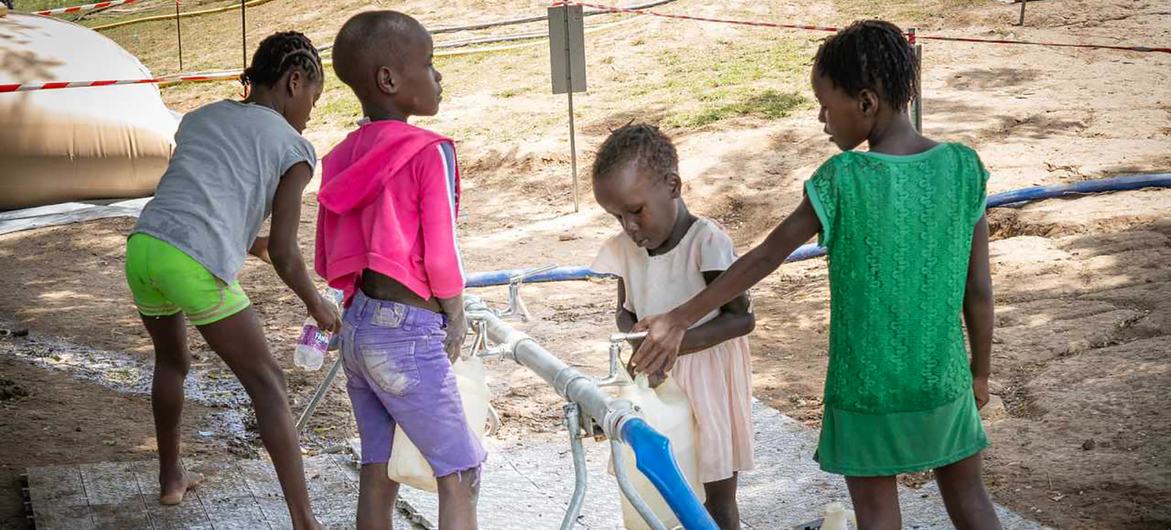
Nearly 3 million children are in need in Haiti this year.
© UNOCHA/M. Minasi
 
Nearly 3 million children are in need in Haiti this year.
15 June 2023Humanitarian Aid

Nearly 3 million children, the highest number on record, need humanitarian support in Haiti, where they face staggering levels of violence that have exacerbated hunger and malnutrition in a country already mired in poverty and a resurgence of deadly cholera. 

“Being a child in Haiti today is harsher and more dangerous than it ever has been in living memory.  The threats and hardships children face are simply unimaginable. They desperately need protection and support,” said UNICEF Haiti Representative Bruno Maes. 

Displacement and violence  

Children find themselves in the crossfire, or directly targeted, as armed groups terrorize the population in their fight for territory and control, mainly in the capital Port-au-Prince, and increasingly in the neighbouring Artibonite region, said UNICEF. 

Children are being killed or injured on their way to school while women and girls face extreme sexual violence, the agency noted. Kidnappings for ransom have skyrocketed, as have attacks on schools. Tens of thousands have been displaced by the violence. 

Chronic Malnutrition  

At the same time, hunger and life-threatening malnutrition are at record levels across the country, UNICEF said, concentrated in the capital’s poorest and most insecure neighbourhoods, where some families are essentially trapped and cut off from essential services.  

The number of children suffering from life-threatening malnutrition shot up by 30 per cent since last year, and nearly one in four suffers from chronic malnutrition. 

Vulnerability to armed groups  

Violence, poverty and despair are driving children towards armed groups, UNICEF continued. 

Many children and young people in Port-au-Prince say they are being forced to join armed groups for protection or because it means food and income for the family. Some say they provide a sense of identity and belonging. 

In addition to the violence, hunger and diseases such as cholera, Haiti faces the constant threat of violent storms and earthquakes. In early June, heavy rains, which coincided with the start of the hurricane season, caused destructive and deadly flooding. It was followed by a deadly earthquake just days later in Grand Anse.  

Tweet URL

Urgent need for funding  

Nearly three million children are in need in Haiti this year, the highest number on record. But funding falls far short of the humanitarian needs. UNICEF’s $246 million funding requirement for Haiti this year is less than 15 per cent funded. 

UNICEF is scaling up its operations and expanding its presence in the field, despite the limited funding. Together with partners, the agency said it was delivering lifesaving support. 

“Despite the massive challenges, humanitarian support has helped stave off catastrophic hunger and malnutrition. But far more is needed. The international community cannot turn its back on Haiti’s children in their hour of most profound 

 https://news.un.org/en/story/2023/06/1137752


https://creativecommons.org/licenses/by/3.0/legalcode

вторник, 30 мая 2023 г.

UN humanitarians complete first food distribution in Khartoum as hunger, threats to children, intensify


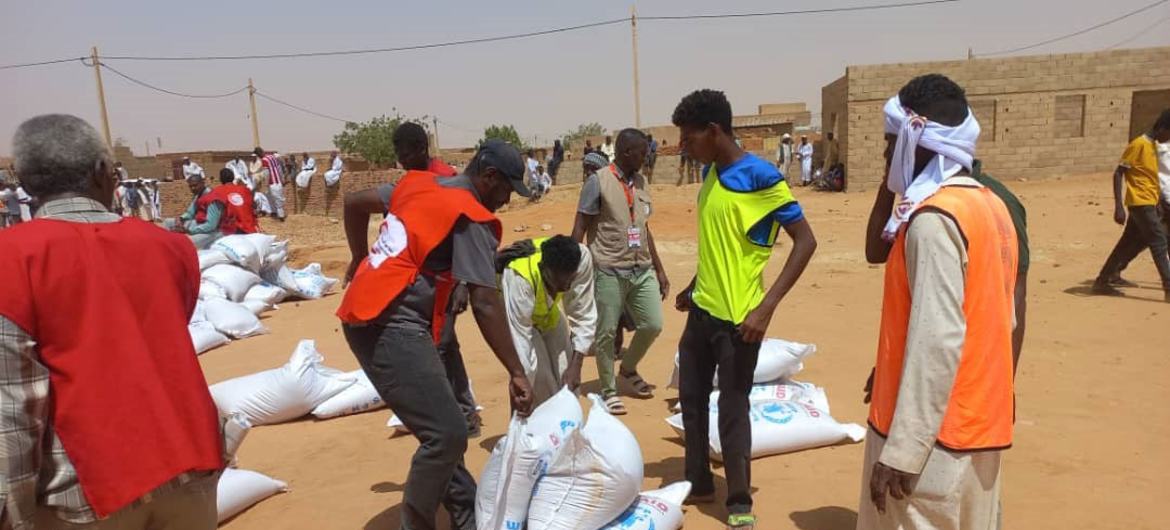
Food is distributed in Omdurman, close to the Sudanese capital, Khartoum.
© Sudanese Red Crescent Society
 
Food is distributed in Omdurman, close to the Sudanese capital, Khartoum.
30 May 2023
Humanitarian Aid

For the first time since fighting broke out in Sudan on 15 April, humanitarians have been able to reach desperate families trapped in the conflict’s epicentre, Khartoum, with food assistance, the UN’s World Food Programme (WFP) said on Tuesday.

WFP’s Country Director in Sudan, Eddie Rowe, told reporters in Geneva that in a major breakthrough, the agency distributed food assistance to 15,000 people in both Sudanese Armed Forces (SAF) and Rapid Support Forces (RSF) controlled areas of Omdurman, part of the Khartoum metropolitan area, beginning on Saturday.

Tweet URL

Speaking from Port Sudan, Mr. Rowe highlighted other recent food distributions, in Wadi Halfa in Northern State to reach 8,000 people fleeing Khartoum and on their way to Egypt, as well as to 4,000 newly displaced people in Port Sudan.

Rapidly scaling up support

In total, WFP has been able to reach 725,000 people across 13 states in the country since it resumed its operations on 3 May, following a pause brought on by the killing of three aid workers at the start of the conflict.

Mr. Rowe said that WFP was rapidly scaling up its support, which they expected to expand depending on progress in negotiations for humanitarian access for all regions, including the Darfurs and Kordofans, strongly impacted by violence and displacement.

Hunger on the rise

In addition to the 16 million Sudanese who were already finding it “very difficult to afford a meal a day” before the fighting started, Mr. Rowe warned that the conflict compounded by the upcoming hunger season, could increase the food insecure population by about 2.5 million people in the coming months.

With the lean season fast approaching, WFP’s plan was to reach 5.9 million people across Sudan over the next six months, he said.

He stressed that WFP needed a total of $730 million to provide required assistance as well as telecommunications and logistics services to the humanitarian community, including all of the UN agencies operating in Sudan.

17,000 tonnes of food lost to looting

He also reiterated the humanitarian community’s call on all parties to the conflict to enable the safe delivery of urgently needed food aid, and deplored that so far, WFP had lost about 17,000 metric tonnes of food to widespread looting across the country, particularly in the Darfurs.

Just two days ago, he said, the agency’s main hub in El Obeid, North Kordofan, came under threat and looting of assets and vehicles was already confirmed.

Some 10,000 people are due to receive food aid in a first distribution in Omdurman, Sudan.
© Sudanese Red Crescent Society
 
Some 10,000 people are due to receive food aid in a first distribution in Omdurman, Sudan.

Over 13 million children in need

The UN Children’s Fund (UNICEF) reported that “more children in Sudan today require lifesaving support than ever before”, with 13.6 million children in need of urgent assistance. “That’s more than the entire population of Sweden, of Portugal, of Rwanda,” UNICEF spokesperson James Elder told reporters in Geneva.

According to reports received by UNICEF, hundreds of girls and boys have been killed in the fighting. “While we are unable to confirm these due to the intensity of the violence, we also have reports that thousands of children have been maimed,” Mr. Elder said.

‘Death sentence’

He also pointed out that reports of children killed or injured are only those who had contact with a medical facility, meaning that the reality is “no doubt much worse” and compounded by a lack of access to life-saving services including nutrition, safe water, and healthcare.

Mr. Elder alerted that “all these factors combined, risk becoming a death sentence, especially for the most vulnerable”.

UNICEF called for funding to the tune of $838 million to address the crisis, an increase of $253 million since the current conflict began in April, to reach 10 million children. Mr. Elder stressed that only 5 per cent of the required amount had been received so far, and that without the therapeutic food and vaccines which this money would allow to secure, children would be dying.


Healthcare under attack

The dire situation of healthcare in the country has been aggravated by continuing attacks on medical facilities. From the start of the conflict on 15 till 25 May, the World Health Organization (WHO) verified 45 attacks on healthcare, which led to eight deaths and 18 injuries, the agency’s spokesperson Tarik Jašarević said.

He also cited reports of military occupation of hospitals and medical supplies warehouses, which made it impossible for people in need to access chronic disease medicines or malaria treatment. Mr. Jašarević recalled that attacks on healthcare are a violation of international humanitarian law and must stop.

Tweet URL

Keep borders open: Grandi

The UN High Commissioner for Refugees, Filippo Grandi, concluded a three-day visit to Egypt on Tuesday, with an urgent call for support for people fleeing Sudan – and the countries hosting them – insisting that the borders must remain open.

More than 170,000 people have entered Egypt since the conflict started – many through Qoustul, a border crossing that Grandi visited close to the end of his trip. The country hosts around half of the more than 345,000 people who have recently fled Sudan.

Mr. Grandi met newly arrived refugees and Egyptian border officials, to get a sense of the hardships being endured.

Loss ‘on a huge scale’

“I heard harrowing experiences: loss of life and property on a huge scale,” Grandi said. “People spoke of risky and expensive journeys to arrive here to safety. Many families have been torn apart. They are traumatized and urgently need our protection and support.“

The UNHCR chief also held talks with the Egyptian President, Abdel Fattah Al-Sisi, and discussed how best to support refugees and mobilize resources for host countries, not least Egypt.

“I commend Egypt for its long-standing commitment to providing a safe haven to those fleeing violence,” Mr. Grandi said. “The Government, the Egyptian Red Cresent and the people, have been very generous in supporting arrivals. We urgently need to mobilize more resources to help them to maintain this generosity.”

Prior to this conflict, Egypt was already host to a large refugee population of 300,000 people from 55 different nationalities.

After registering with UNHCR, refugees and asylum-seekers have access to a wide range of services including health and education. UNHCR’s emergency cash assistance programme started during the last week.


 https://news.un.org/en/story/2023/05/1137137

https://creativecommons.org/licenses/by/3.0/legalcode

среда, 24 мая 2023 г.

Unprecedented joint call to shield children on the move from violence


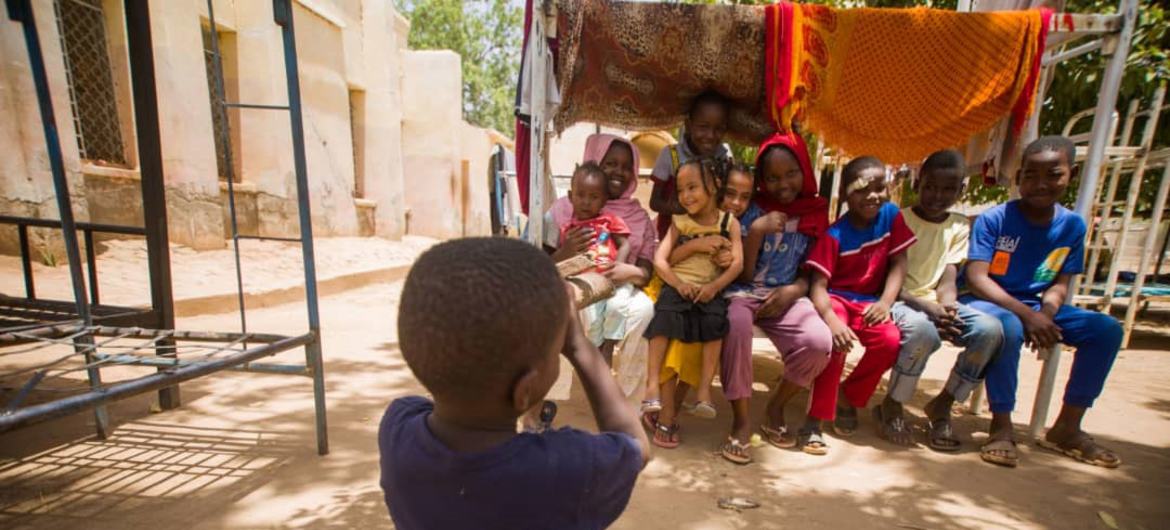
Displaced Sudanese children at a temporary shelter..
© UNICEF/Ahmed Elfatih Mohamdee
 
Displaced Sudanese children at a temporary shelter..
24 May 2023
Peace and Security

The UN’s top advocate on ending violence against children, joined UN agencies on Wednesday in highlighting the urgent need to protect the rights of young people on the move, amid spiralling crises worldwide.

With more than 42 million children displaced worldwide and increasing exposure to multiple forms of violence, the Office of the Special Representative on Violence against Children co-launched a new brief, Protecting the Rights of Children on the Move in Times of Crisis, which draws on past lessons, and outlines key principles to boost child protection.

Tweet URL

In this unprecedented joint call, the Special Representative Dr. Najat Maalla M’jid, was joined by the head of the UN human rights office (OHCHR), refugee agency UNHCR, the UN Children’s Fund UNICEF, the UN Office on Drugs and Crime (UNODC), and the UN migration agency (IOM) - in close partnership with the Organization for Security and Co-operation in Europe (OSCE) Special Representative and Coordinator for Combating Trafficking in Human Beings – who stressed that “protection of all children, independently of their status, is more necessary than ever.”  

This includes investing in strong rights-based national protection systems that include displaced children, rather than excluding them or creating separate services for them, says the brief, which has proven to be more sustainable and effective in the long-term.

Concrete actions

As millions of children are displaced, often for many years, by crises such as armed conflicts, political instability, climate change – and it’s associated fallout for health and economic survival - the best interests of the child must be the primary consideration, the brief states.

Full protection requires translating good intentions into concrete and sustained actions, ensuring non-discriminatory access to national services.

This includes civil documentation such as birth registration, social welfare, justice, health, education, and social protection - for all children, without distinction or exclusion based on their migration status.

Penelope Cruz - unity call

Spanish film star and campaigner, Penelope Cruz joined the call, emphasizing that we all have a role to play in protecting children from violence: “Children must be protected everywhere and in all circumstances. Keeping all children safe from harm and promoting their wellbeing with particular attention to those is crisis situations is – and must be – everybody’s business.

“Let's be united in creating a world free from violence against children”, she declared.


 https://news.un.org/en/story/2023/05/1137002


https://creativecommons.org/licenses/by/3.0/legalcode

пятница, 19 мая 2023 г.

Malawi: Over 500,000 children at risk of malnutrition, UNICEF warns


Children playing during a UNICEF visit to the Kapeni Displacement Camp in Blantyre, Malawi, in the wake of Cyclone Freddy.
© UNICEF Malawi
 
Children playing during a UNICEF visit to the Kapeni Displacement Camp in Blantyre, Malawi, in the wake of Cyclone Freddy.
19 May 2023
Humanitarian Aid

The UN Children’s Fund (UNICEF) is seeking nearly $88 million to assist 6.5 million people in Malawi, including at least 573,000 boys and girls who are at risk of malnutrition. 

Although the southern African country has made recent progress in reducing chronic malnutrition, the agency said these gains have been threatened by acute food insecurity, compounded by other challenges such as recurrent climate shocks, preventable disease outbreaks and economic instability. 

Tweet URL

Malawi was also slammed by Tropical Cyclone Freddy in March and is still grappling with the aftermath, with some 659,000 people displaced, including many children.  

Meanwhile, an ongoing cholera outbreak has already resulted in 1,750 deaths. 

An ‘unacceptable’ situation 

"Children in Malawi are at the sharp end of the global polycrisis. Food insecurity, exasperated by a growing climate crisis, disease outbreaks, and the global economic downturn, is threatening to wreak havoc and disrupt the lives of millions of children,” said UNICEF Country Representative Gianfranco Rotigliano.  

“The prospect of having over half a million children suffering from malnutrition is unacceptable. Without an immediate response, the impact on these vulnerable children will be deadly."   

Stepping up support 

UNICEF has launched a new appeal for Malawi, which reveals that malnutrition cases among children have increased over the past five years and accelerated significantly in recent months.  

It is estimated that this year, over 62,000 children under five are at risk of severe acute malnutrition, also known as wasting.  

The UN agency had initially appealed for $52.4 million, which has been increased to $87.7 million to support 6.5 million people in Malawi, nearly half of them children.  

The funding will be used to meet priority needs, such as ready-to-use therapeutic food for treating severe acute malnutrition, access to safe drinking water, sanitation, hygiene items, health, nutrition, education, child protection services, and cash transfer schemes. 

Long-term solutions needed 

During the first quarter of 2023, UNICEF assisted the Malawian authorities in screening more than 140,300 under-fives for acute malnutrition. Of this number, 522 children were identified as severe acute, and were referred to health facilities for further care. 

“Without increased support, poor and vulnerable households with children will be left without access to basic services, essential supplies, and social assistance,” Mr. Rotigliano warned.  

He also underscored the need to look beyond the immediate response, saying “it is crucial that we invest in long-term solutions by strengthening systems and building resilience within communities to handle recurring outbreaks and humanitarian emergencies better.”  


 https://news.un.org/en/story/2023/05/1136817


https://creativecommons.org/licenses/by/3.0/legalcode

четверг, 18 мая 2023 г.

Children bearing the brunt of Afghanistan crisis: UNICEF


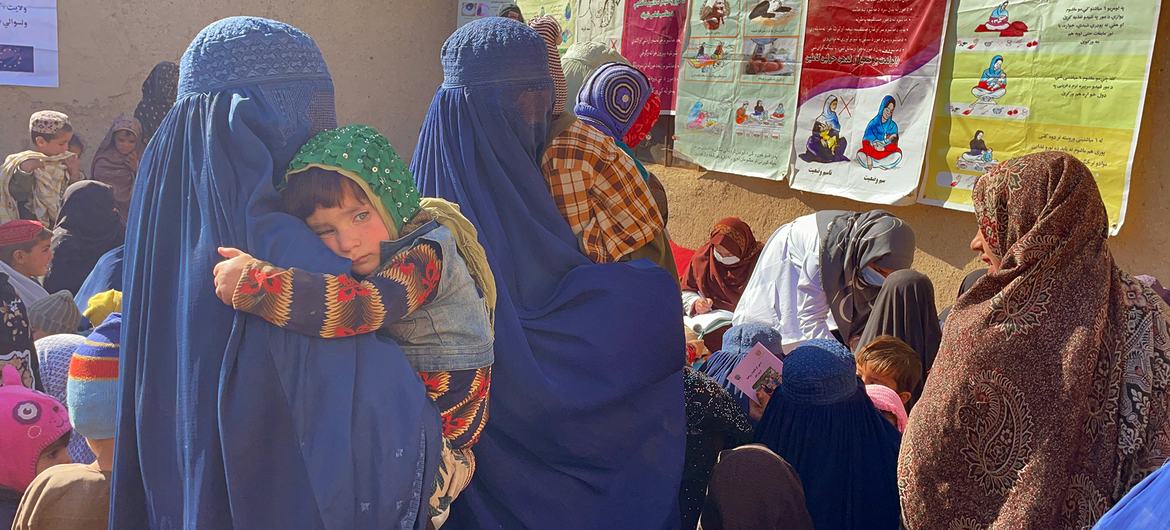
Women and children wait to be seen by members of a UNICEF-supported mobile health and nutrition team in Kandahar, Afghanistan.
© UNICEF/Salam Al-Janabi
 
Women and children wait to be seen by members of a UNICEF-supported mobile health and nutrition team in Kandahar, Afghanistan.
18 May 2023
Humanitarian Aid

Roughly 90 per cent of the population in Afghanistan is on the brink of poverty “and children bear the brunt of it,” the Representative of the UN Children’s Fund (UNICEF) in the country, Fran Equiza, told journalists in New York on Thursday. 

“Because, in what is a deeply troubled country - grappling with humanitarian catastrophe, climate related disasters, and egregious human rights abuses - too many people have forgotten that Afghanistan is a children's rights crisis,” he said, warning that the situation is getting worse. 

Young lives at risk 

This year, some 2.3 million Afghan boys and girls are expected to face acute malnutrition.  Of this number, 875,000 will need treatment for severe acute malnutrition, a life-threatening condition. 

Furthermore, around 840,000 pregnant women and breastfeeding mothers are likely to experience acute malnutrition, jeopardising their ability to give their babies the best start in life. 

Mr. Equiza added that although fighting has mostly stopped, decades of conflict mean that every day, children’s rights are violated “in the most appalling ways”.   

Escalating danger 

He said Afghanistan is among the most “weapons-contaminated countries” in the world, and most of the casualties are children. 

He cited preliminary data which suggests that 134 children were killed or maimed by explosive devices between January and March of this year. 

“This is the reality of the escalating danger faced by Afghan children as they explore areas that were previously inaccessible due to fighting,” he said. 

"Many of those killed and maimed are children collecting scrap metal to sell. Because that’s what poverty does. It compels you to send your children to work - not because you want to, but because you have to.”  

Trapped in child labour 

Meanwhile, roughly 1.6 million Afghan children – some as young as six - are trapped in child labour, working in dangerous conditions just to help their parents put food on the table. 

"And where education used to be a symbol of hope, children’s right to learn is under attack,” Mr. Equiza added. 

“Girls across Afghanistan have been denied their right to learn for over three years now – first, due to COVID-19 and then, since September 2021, because of the ban on attending secondary school. I don’t need to tell you of the impact of these absences on their mental health.” 

Staying and adapting 

He underlined UNICEF’s commitment to stay and deliver for the women and children in Afghanistan, where it has had a presence for nearly 75 years. 

“We’re adapting to the fast-changing realities on the ground, finding solutions to reach the children that need us the most, while ensuring that Afghan women employed by UNICEF can continue their invaluable contribution to our work for children,” he said. 

With needs growing every day, he called for greater support from the international community, noting that UNICEF’s Humanitarian Action for Children Appeal is only 22 percent funded. 


 https://news.un.org/en/story/2023/05/1136797


https://creativecommons.org/licenses/by/3.0/legalcode

среда, 17 мая 2023 г.

Millions of children still facing dire conditions 100 days after Türkiye-Syria quakes: UNICEF

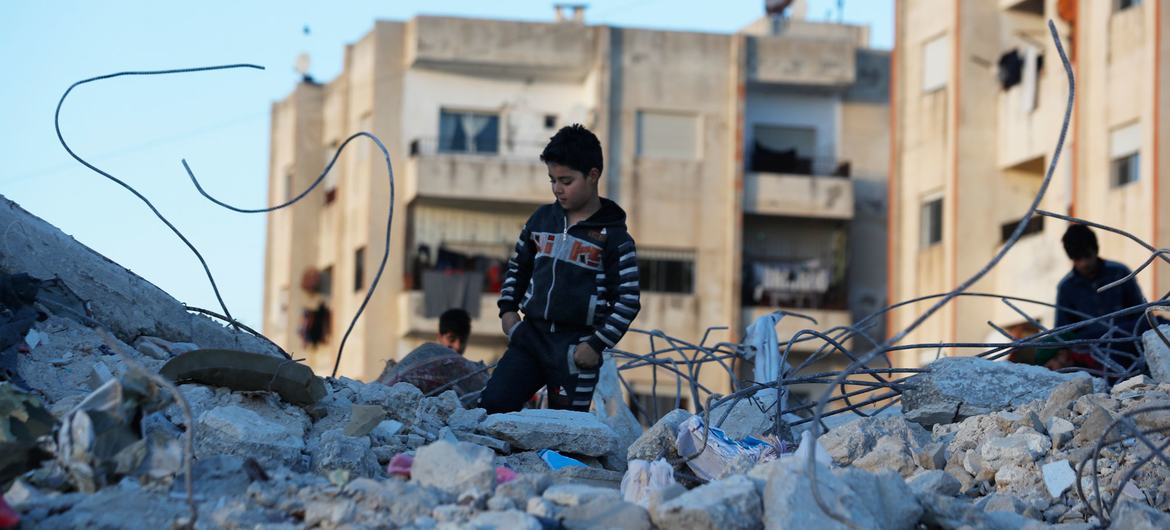
Child labour in Türkiye and Syria could increase following the February earthquake (file).
© UNICEF
 
Child labour in Türkiye and Syria could increase following the February earthquake (file).
17 May 2023
Humanitarian Aid

More than six million boys and girls in Türkiye and Syria are still struggling to cope 100 days after the deadly earthquakes that hit both countries, the UN Children’s Fund (UNICEF) reported on Wednesday. 

In total, 2.5 million children in Türkiye, and another 3.7 million in neighbouring Syria, need continued humanitarian assistance, the UN agency said, appealing for greater support for affected families. 

Tweet URL

The earthquakes which struck on 6 February, followed by thousands of aftershocks, have pushed families to the brink and left children homeless and without access to water, education, medical care, and other essential services. 

‘Lives turned upside down’ 

“In the aftermath of the earthquakes, children in both countries have experienced unimaginable loss and grief,” said UNICEF Executive Director Catherine Russell, who visited both countries just weeks after the double disaster. 

“The earthquakes struck areas where many families were already incredibly vulnerable. Children have lost family and loved ones, and seen their homes, schools and communities devastated and their entire lives turned upside down,” she added. 

Even before the earthquakes, many families in affected areas were struggling, according to the UN agency.  

Young lives in danger 

In the regions of Türkiye impacted, approximately 40 per cent of households were already living below the poverty line, compared to around 32 per cent nationwide, and estimates indicate the figure could rise to more than 50 per cent. 

Vulnerable children in hard-hit areas are exposed to threats including violence, forced marriage, forced labour, and dropping out of school. The education of nearly four million children, who were enrolled in school, was also disrupted. This number includes more than 350,000 young refugees and migrants.  

UNICEF warned that although Türkiye has made strides in reducing these risks in recent years, the impact of the earthquakes could reverse that progress. 

Syrian war impact 

Meanwhile, children in Syria were already struggling after 12 years of war, which has had an impact on all infrastructure and public services – a situation that was exacerbated by the earthquakes.   

The severe damage to water and sewage infrastructure has put 6.5 million people at an elevated risk of waterborne diseases, including cholera. 

UNICEF estimated that 51,000 children under the age of five are likely to suffer from moderate and severe acute malnutrition, and 76,000 pregnant and breastfeeding women need treatment for acute malnutrition. 

Additionally, it is estimated that nearly two million children have had their education disrupted, with many schools still being used as shelters.  

Exploitation and abuse risks 

Many of these boys and girls are still living in incredibly difficult situations. They also face heightened stress due to the additional uncertainty of not knowing when they need to move from one shelter to another. 

“The long-term impacts of the disaster, including soaring food and energy prices combined with loss of livelihoods and access to services will push hundreds of thousands of children deeper into poverty,” Ms. Russell said, underscoring the need for continued support to families. 

“Unless financial assistance and essential services are prioritized for these children and families as part of the immediate and long-term recovery plan, then children will remain at greater risk of exploitation and abuse.” 

Focus on children

UNICEF urged the international community to prioritize what it called “a child-focused early recovery”, while also highlighting the need to build back better.  

The agency also called for continued investment in key areas, including financial assistance for families, access to quality education, and access to psychosocial support.  

Furthermore, continued funding is needed for health, nutrition and water, sanitation and hygiene programmes, including to reduce the risks of disease outbreaks. 

UNICEF is appealing for $172.7 million to meet the lifesaving needs of nearly three million earthquake-affected children in Syria.  Some $78.1 million has been received to date, with the areas of nutrition, health and education remaining significantly underfunded. 

Across the border, UNICEF still requires more than $85 million of a $196 million appeal to provide required services to children in Türkiye. 


 https://news.un.org/en/story/2023/05/1136767

https://creativecommons.org/licenses/by/3.0/legalcode