Избранное сообщение

Показаны сообщения с ярлыком UNICEF. Показать все сообщения

четверг, 15 августа 2024 г.

Extreme heat increasingly disrupting child health, UNICEF warns


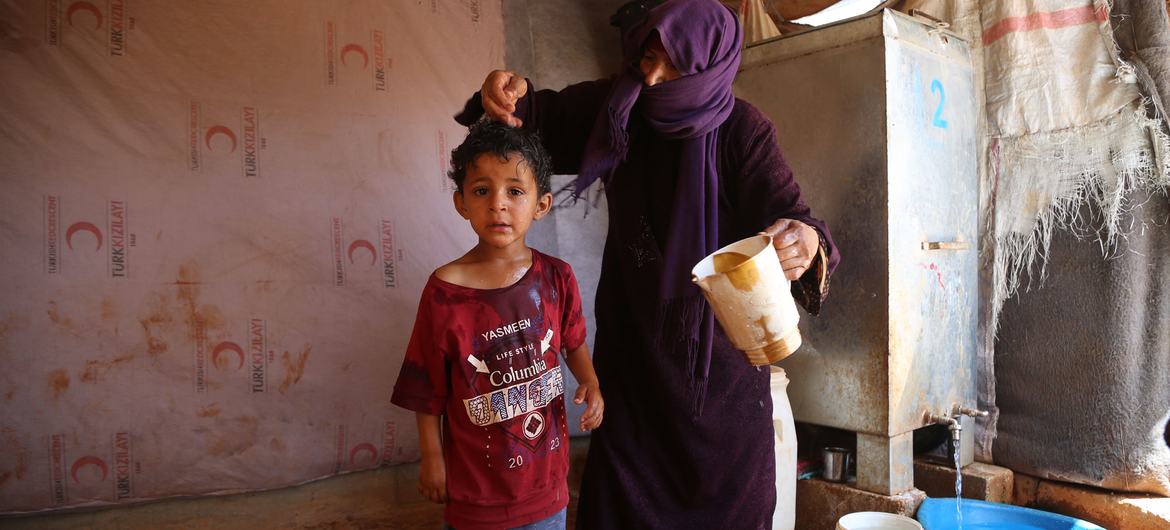
Water is poured on a child to help him cope with scorching heat in Syria.
© UNOCHA/Bilal Al-Hammoud
 
Water is poured on a child to help him cope with scorching heat in Syria.


14 August 2024

 Climate and Environment

One in five children – or 466 million –  live in areas that experience at least double the number of extremely hot days every year compared with their grandparents’ generation, according to a new UNICEF analysis released on Wednesday.

“Extreme heat is increasing, disrupting children’s health, well-being and daily routines,” said UNICEF Executive Director Catherine Russell.

The study compared averages in the 1960s with the period 2020-2024, measuring the days which exceeded 35 degrees Celsius (95 degrees Fahrenheit).

It presents a stark warning over the speed and scale at which such days are increasing for almost half a billion children worldwide - many without the infrastructure or services to endure it.

Tweet URL

Country-level findings

In examining country-level data, the analysis also found that in 16 countries, children now experience more than a month of additional extremely hot days compared with six decades ago.

In South Sudan, for example, children are living through a yearly average of 165 extremely hot days this decade, compared to 110 days in the 1960s, while in Paraguay it has jumped to 71 days from 36.

Globally, children in West and Central Africa face the highest exposure to extremely hot days and the most significant increases over time, according to the analysis. 123 million children – or 39 per cent of children in the region – now experience an average of more than one third of the year – or at least 95 days – in temperatures above 35°C, reaching as many as 212 days in Mali, 202 days in Niger, 198 days in Senegal, and 195 days in Sudan.

In Latin America and the Caribbean, almost 48 million children live in areas that are experiencing twice the number of extremely hot days.

‘Children are not little adults’

Heat stress within the body, caused by exposure to extreme heat, poses unique threats to the health of children.

Excess levels of heat stress contribute to child malnutrition, non-communicable diseases such as heat-related illnesses, and leave children more vulnerable to infectious diseases that spread in high temperatures, such as malaria and dengue.

Evidence also shows that neurodevelopment, mental health, and overall well-being are being impacted.

“Children are not little adults. Their bodies are far more vulnerable to extreme heat. Young bodies heat up faster, and cool down more slowly. Extreme heat is especially risky for babies due to their faster heart rate, so rising temperatures are even more alarming for children,” Ms. Russell said.

The impact of climate-related hazards on child health is exacerbated by how such hazards affect food and water security, damage infrastructure, disrupt services for children, and drive displacement.

Pregnant women are also particularly vulnerable to the effects of extreme heat. Heat stress has been linked to pregnancy complications such as gestational chronic diseases and adverse birth outcomes including stillbirth, low birth weight, and preterm birth.

New national climate plans

In the coming months, all countries committed to the Paris Agreement on climate change will submit new national climate plans which will set the course of climate action for a decade. They are a time bound opportunity to set out concrete plans to realise the goals of the Paris agreement.

UNICEF is calling on leaders, governments and the private sector to seize this opportunity to deliver urgent and bold climate action which upholds the right of every child to a clean, healthy and sustainable environment.

“As governments are currently drafting their national climate action plans, they can do so with the ambition and knowledge that today’s children and future generations will have to live in the world they leave behind,” Ms. Russell added.


https://news.un.org/en/story/2024/08/1153171


https://creativecommons.org/licenses/by/4.0/legalcode

вторник, 30 июля 2024 г.

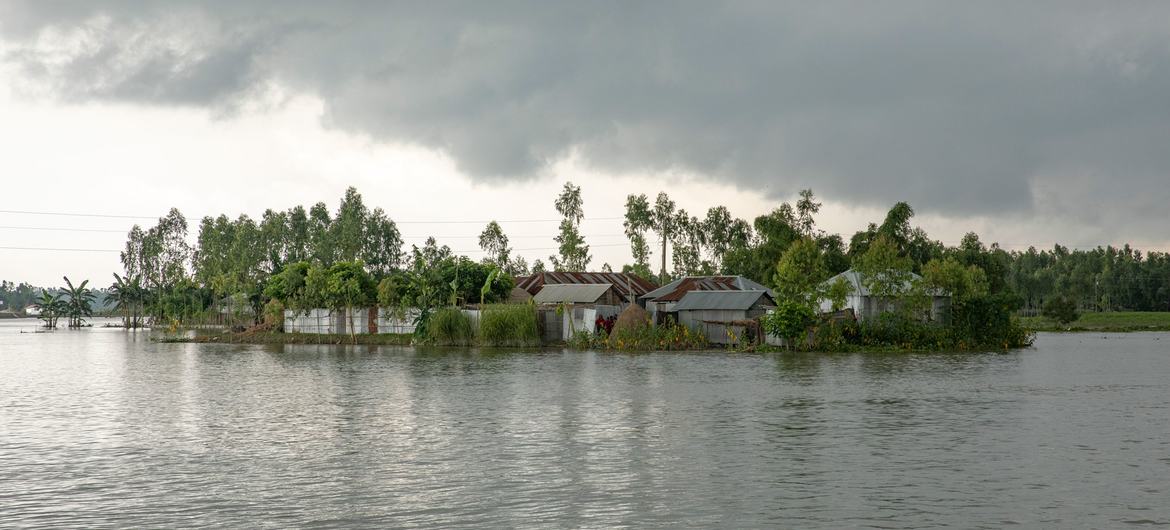
Torrential rains and floods in South Asia endanger millions of children, warns UNICEF


Houses and infrastructures are submerged by floodwaters in Kurigram, northern Bangladesh.
© UNICEF/Salahuddin Ahmed Paulash
 
Houses and infrastructures are submerged by floodwaters in Kurigram, northern Bangladesh.
29 July 2024

 Humanitarian Aid

More than six million children in South Asia are at risk following severe torrential rains, flash floods, and landslides that have devastated the region, leaving many homeless, the UN Children’s Fund (UNICEF) warned on Monday.

“We are only halfway through the monsoon season, yet the rainfall, damage and destruction have been devastating,” Sanjay Wijesekera, UNICEF Regional Director for South Asia, said in a news release.  

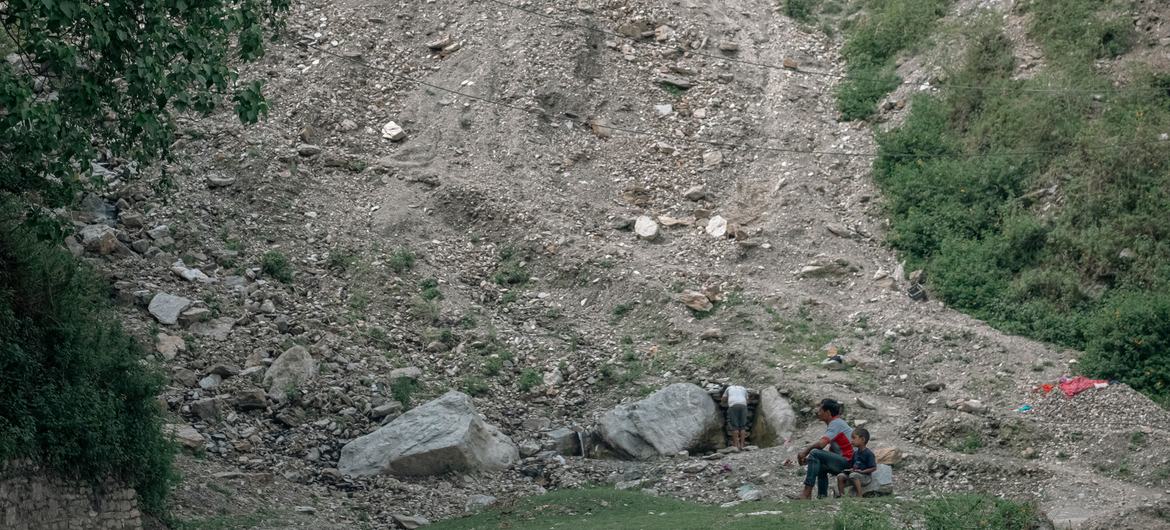
In Nepal, 109 people, including children, have died due to floods and landslides this monsoon season. This includes 65 people who were on two buses pushed into a swollen river by landslides in July.

Similarly, in Afghanistan, flash floods last week swept away several hundred homes, claiming at least 58 lives and leaving hundreds of families homeless, further exacerbating existing vulnerabilities.

Tweet URL

Climate crisis impacts

“These erratic weather events, worsened by climate change, are severely impacting children across South Asia,” Mr. Wijesekera said.  

“UNICEF is concerned about predictions of heavier rain in the coming weeks, which could further jeopardize children.”

He also noted that Afghanistan, Bangladesh, India and Pakistan are among the countries where children are at an elevated risk of the impacts of the climate crisis, citing the agency’s Children’s Climate Risk Index.

Other devastating effects

The UNICEF official further warned that floods pose a threat to children beyond death and injury.

In contaminating safe water supplies, floods increase the risk of disease and diarrhoea outbreaks, which, left untreated, can lead to dehydration and malnutrition among children.

Children affected by frequent flooding over time are also more likely to be underweight and stunted.

In addition to health effects, floods damage sanitation facilities, destroy schools and roads, and disrupt children’s education, putting children at risk of abuse, exploitation and trafficking.

Landslides have claimed many lives in Nepal.
© UNICEF/Vlad Sokhin
 
Landslides have claimed many lives in Nepal.

Humanitarian response

UNICEF is actively responding to the crisis, providing relief to thousands across the region.

In Nepal, the agency is working with Government and partners to support affected children and families. It has provided key relief items and psychosocial support to over 4,500 people.

UNICEF is also supporting the Government-led response in India’s Assam province, where record rainfall since June caused flash floods, upending the lives of half a million children and their families.

The agency is also supporting response efforts in Bangladesh, Pakistan and Afghanistan.

Call to action

However, with forecasts predicting further heavy rains, Mr. Wijesekera urged governments to “prepare well and respond quickly” to protect lives.

He also highlighted the urgent need for resources, stating “strained financial resources will hamper responses in the future.”

UNICEF has appealed for $9.3 million to support emergency preparedness and strengthen climate-resilience programmes for children across the region.


https://news.un.org/en/story/2024/07/1152631

https://creativecommons.org/licenses/by/4.0/legalcode

четверг, 25 июля 2024 г.

Rising heat in Europe and Central Asia killing almost 400 children a year: UNICEF


Rising heat across Europe and Central Asia kills nearly 400 children a year, according to latest data.
© Unsplash/Derek Thomson
 
Rising heat across Europe and Central Asia kills nearly 400 children a year, according to latest data.


24 July 2024 
Climate and Environment

Soaring summer temperatures in Europe and Central Asia are killing nearly 400 children a year according to new analysis of the latest available data by the UN Children’s Fund (UNICEF) released on Wednesday.

UNICEF revealed that 377 children died in 2021 based on data from 23 countries across the vast region.

Heat-related illnesses claimed the lives of half of those vulnerable youngsters in the first year of their lives.

“Around half of children across Europe and Central Asia – or 92 million children - are already exposed to frequent heatwaves in a region where temperatures are rising at the fastest rate globally,” Regina De Dominicis, UNICEF Regional Director for Europe and Central Asia said.

Tweet URL

She warned that increasingly high temperatures can seriously complicate a child’s health, even in a short time frame.

“Without care, these complications can be life-threatening,” she said.

Heat exposure

According to UNICEF, heat exposure can have acute effects on a child even before they are born which can lead to pre-term births, low birth weight, stillbirth, and congenital anomalies.

The agency also noted that heat stress can directly lead to death, affect infant growth and be a gateway to paediatric diseases.

Further, UNICEF said that “extreme heat caused the loss of more than 32,000 years of healthy life among children and teenagers in the region.”

Recommendations

2024 has seen record high temperatures with this June registering as Earth’s hottest on record. It was the thirteenth record-setting month in a row.

UNICEF is urging governments in Europe and Central Asia to invest in “heat health action plans and primary healthcare to more adequately support heat-related illness among children.”

The children’s agency is also calling on governments to invest more in heat alert systems, ensure educational facilities reduce temperatures in areas where children play and securing safe provision of drinking water.

Other measures include equipping buildings to minimise exposure and establishing strategies to reduce the impact of heatwaves overall and especially for children.

UNICEF says they are working with governments and communities across Europe and Central Asia to “build resilience against heatwaves” by providing teachers, family and community health workers with the knowledge and skills to combat heat stress.


https://news.un.org/en/story/2024/07/1152466

https://creativecommons.org/licenses/by/4.0/legalcode

четверг, 6 июня 2024 г.

New UNICEF report reveals severe child food poverty amid world crises


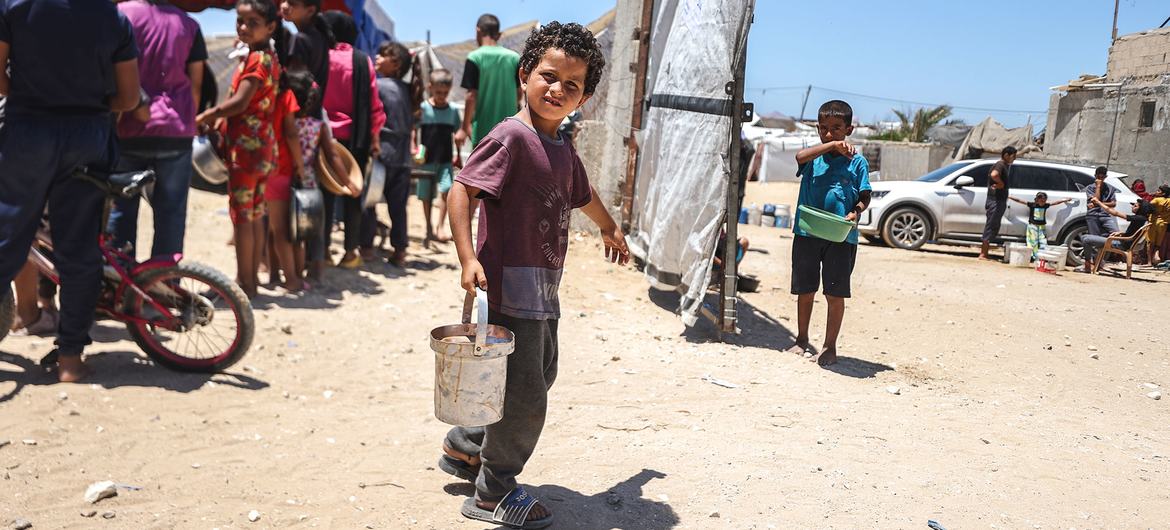
A child receives food at a WFP-supported kitchen in Khan Younis, Gaza.
© WFP/Ali Jadallah
 
A child receives food at a WFP-supported kitchen in Khan Younis, Gaza.


5 June 2024

SDGs

The UN Children’s Fund (UNICEF) released a new report on Thursday that highlights alarming levels of child food poverty due to inequity, conflict, and climate crises. 

The report warned that millions of children under five have difficulty accessing nutritious and diverse diets necessary for developmental growth and that food prices and living costs have hit record-high levels as countries continue to recover from the impacts of the COVID-19 pandemic.

UNICEF Nutrition Specialist, Harriet Torlesse – who was also a lead writer on the report – said one in four children globally are surviving on extremely poor diets, consuming just two or fewer of the major food groups. 

“So, for a child in Afghanistan, for example, that's just some bread or perhaps a milk in the whole day, and almost certainly no vegetables and fruits and no good sources of protein,” she told UN News ahead of the launch. “And this is very troubling because these children cannot survive in such poor diets.” 

Millions affected worldwide

The report found that 65 per cent of the 181 million children worldwide experiencing child food poverty reside in 20 countries – about 64 million are in South Asia and 59 million are in Sub-Saharan Africa.

Even further, nearly half of all cases are linked to households where income poverty is prominent.

 However, many other factors fuel this crisis including, “food systems that fail to provide children with nutritious, safe and accessible options, families’ inability to afford nutritious foods, and parent’s inability to adopt and sustain positive child feeding practices."

'Horrific impact' of Gaza conflict

More than half of children in Somalia experience child food poverty amid conflict and natural disasters. 

Similarly in Gaza, nine out of 10 children are dealing with high levels of food poverty as fighting continues.

"This is evidence of the horrific impact the conflict and restrictions are having on families’ ability to meet children’s food needs – and the speed at which it places children at risk of life-threatening malnutrition,”  the report stated.

However, it noted that other countries dealing with their own crises, like Burkina Faso, significantly reduced their levels of child food poverty. Burkina Faso has halved the number of cases there.

“It shows that with the right type of action, countries can make progress, including low-income countries,” Ms. Torlesse said. “[These countries] have all made a deliberate effort to improve the supply of local nutritious foods, be it pulses or vegetables or poultry.” 

Appeal to governments 

UNICEF appealed for action to make nutritious foods more accessible for young children, activate social protection systems to address income poverty, and leverage health systems to deliver necessary nutrition services to assist children.

“UNICEF is calling on all governments development and humanitarian partners to act now to prioritize actions to end child food poverty,” Ms. Torlesse said. “We must position the elimination of child food poverty as a policy imperative, particularly to achieve the sustainable development goals of malnutrition.”

She said it is also important for health systems to be strengthened so that they can advise and support families on how to feed their children.

“There's no reason why children should grow up in child food poverty,” Ms. Torlesse said. “Not when we know the consequences for children's abilities to grow and thrive, and especially not when we have the solutions and we know what works.” 


https://news.un.org/en/story/2024/06/1150706


https://creativecommons.org/licenses/by/3.0/legalcode

вторник, 4 июня 2024 г.

UNICEF extends aid to children in Afghanistan affected by flash floods


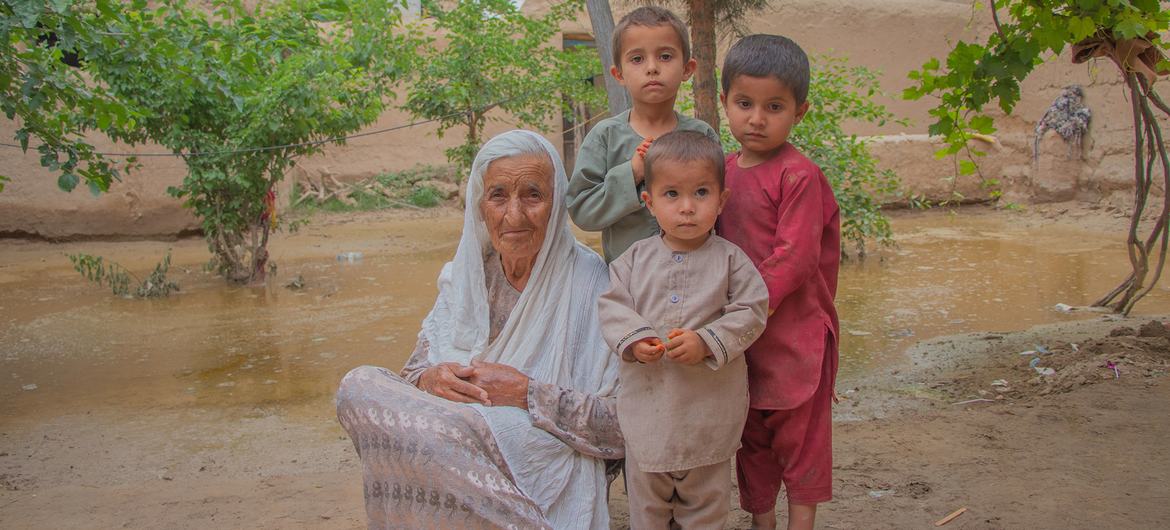
A grandmother sits with her three grandsons who were injured when flash floods hit their village in Baghlan province, Afghanistan.
© UNICEF/Osman Khayyam
 
A grandmother sits with her three grandsons who were injured when flash floods hit their village in Baghlan province, Afghanistan.


3 June 2024

Climate and Environment

The UN Children’s Fund (UNICEF) has rushed to support tens of thousands of children in Afghanistan who are being affected by ongoing flash floods, mainly in Baghlan, Badakhshan and Ghor.

Afghanistan’s most recent floods killed about 350 people, including dozens of children, and damaged more than 7,800 homes leaving over 5,000 families displaced. 

UNICEF has since provided safe water, hygiene kits with soap, toothbrushes and more to communities in Afghanistan. The children’s fund also organised hygiene sessions to teach civilians about handwashing and safe water storage amidst the natural disaster.

Dr. Tajudeen Oyewale, UNICEF Representative in Afghanistan said that international communities should “redouble efforts and investments to support communities to alleviate and adapt to the impact of climate change on children.”

UNICEF has also supported civilians in Afghanistan by offering cash assistance to help families provide for their basic needs, and by assigning health and nutrition teams to treat those injured and ill. Further, the agency has distributed warm clothing, blankets and household items to families who had lost possessions.

Intensifying climate crisis

UNICEF reports that the recent flash floods in Afghanistan reveal an “intensifying climate crisis” that is “increasing in frequency and ferocity” causing loss of lives and livelihoods and damaged infrastructure. 

Dr. Oyewale said UNICEF and members of the humanitarian community need to prepare for a “new reality of climate-related disasters.”

“The growing number and severity of extreme weather events will require UNICEF and other humanitarian actors to step in with even more rapid and large-scale humanitarian responses,” she said. “But this can only be possible with strengthened preparedness measures, such as greater pre-positioning of emergency relief supplies and enhanced coordination with partners.”

She also said that UNICEF needs to concentrate on helping communities adapt to climate and environmental shocks to reduce civilian dependence on humanitarian aid. 

Children’s Climate Risk Index 

UNICEF says that Afghanistan is ranked 15th out of 163 nations on its 2021 Children's Climate Risk Index which means that children there are particularly vulnerable to the effects of climate and environmental shocks. However, Afghanistan is said to be among those least responsible for creating climate issues.

Dr. Oyewale said heavy rainfall should not trigger a disaster for children in Afghanistan.

“We need to prioritise the unique needs of children in decision-making and address these needs now to protect children from future disasters while simultaneously investing in the basic services they rely on,” she said. 


https://news.un.org/en/story/2024/06/1150566


https://creativecommons.org/licenses/by/3.0/legalcode

среда, 22 мая 2024 г.

Haiti’s health system pushed to breaking point: UNICEF


Haiti’s health system pushed to breaking point: UNICEF

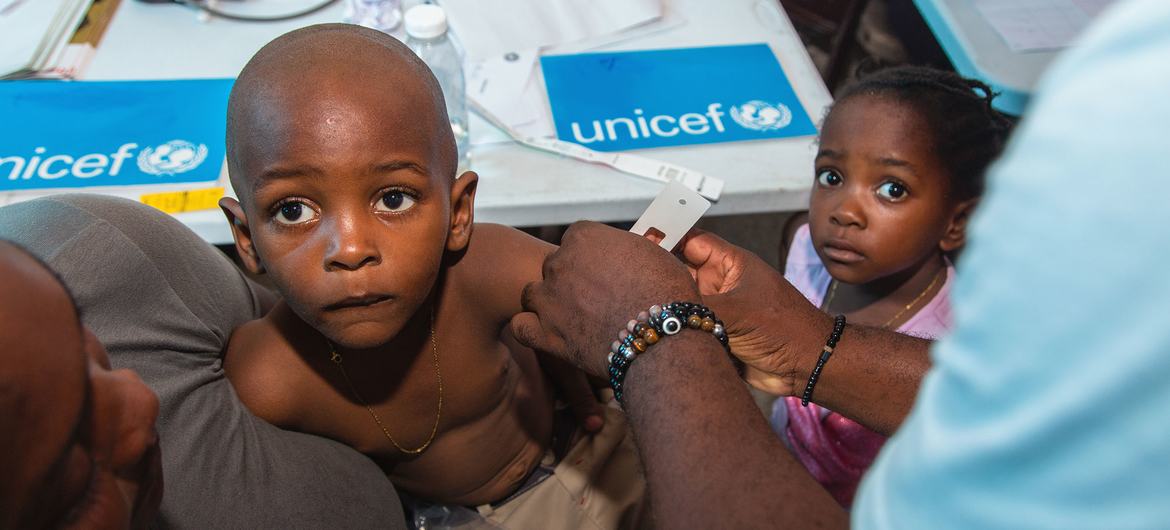
A child is treated for malnutrition at a mobile health clinic in Port-au-Prince, Haiti.
© UNICEF/Georges Harry Rouzier
 
A child is treated for malnutrition at a mobile health clinic in Port-au-Prince, Haiti.


22 May 2024
Peace and Security

Haiti’s health system is now “on the verge of collapse” UN Children’s Fund (UNICEF) Representative in Haiti Bruno Maes warned on Wednesday, amidst an alarming decrease in the number of hospitals still functioning in the violence-wracked Caribbean nation.

There are only six out of ten hospitals which still have some operational capacity as the gang-led chaos continues across the capital, Port-au-Prince, leaving vulnerable children deprived of essential care.

Mr. Maes said that the increased violence along with “mass displacement, dangerous epidemics and increasing malnutrition” has stretched the country’s health system to the limit and the “strangling of supply chains” may fully break it.

“The escalating violence in Port au Prince and Artibonite is plunging Haiti into a humanitarian disaster. Not only are children trapped, but so are the critical supplies that are meant to cure and nourish them,” Mr. Maes told UN News. 

Strained resources

Warehouses, pharmacies and containers filled with essential supplies have either been held up or looted, according to UNICEF. 

Yet, hundreds of containers holding humanitarian aid including neonatal, maternal, and medical necessities, remain stranded in Port-au-Prince.

The country’s capital usually receives and releases all imported health supplies, but with rampant violence and over 160,000 displaced civilians, Port-au-Prince can no longer care for a population that is “concurrently fighting physical trauma and the risk of disease.”

UNICEF says many of the displaced families, especially those in the southern parts of the country, are seeking safety and security, piling pressure on local health services. The agency reported that about 40 per cent of staff have had to leave the country because of high levels of insecurity. 

Widespread disease outbreaks

Haiti has reported 82,000 cases of cholera between October 2022 and April 2024, UNICEF said. 

Nearly 4.4 million people in Haiti desperately need food assistance, and 1.6 million civilians are dealing with acute food insecurity increasing the risk of child wasting and malnutrition. 

This situation is likely to be worsened by the coming rainy season which may cause a rise in waterborne diseases and diseases spread by mosquitoes, such as malaria. 

UNICEF and other humanitarian partners are establishing alternatives to Port-au-Prince’s import and dispatch hubs. 

These alternative routes have allowed the agency along with the Ministry of Health and international donors and partners, to deliver vaccines, medicine and medical supplies to children with the greatest needs.

On 18, 20 and 21 May, UNICEF delivered 38 tons of essential medical and lifesaving supplies, including health and cholera kits, through a new operational hub established by the UN and the children’s find.

Mr. Maes told UN News these supplies will be dispatched to health facilities “that are only barely keeping their heads above water.”

UNICEF says more aid is desperately needed. 

“We cannot allow vital supplies that could save children’s lives to remain blocked in warehouses and containers. They must be delivered now,” said Mr. Maes.

He told UN News that UNICEF is also “sourcing vital, ready-to-use therapeutic food right here in Haiti.”

He said that these supplies will go to 600 health facilities across Haiti as well as several other mobile clinics in areas with limited access.

“When supply reach children, children have a chance to a healthy life…children can go to school. They can play, they can just be children,” Mr. Maes said. 


https://news.un.org/en/story/2024/05/1150086

https://creativecommons.org/licenses/by/3.0/legalcode

пятница, 10 мая 2024 г.

Haiti: UNICEF ensures thousands have safe drinking water


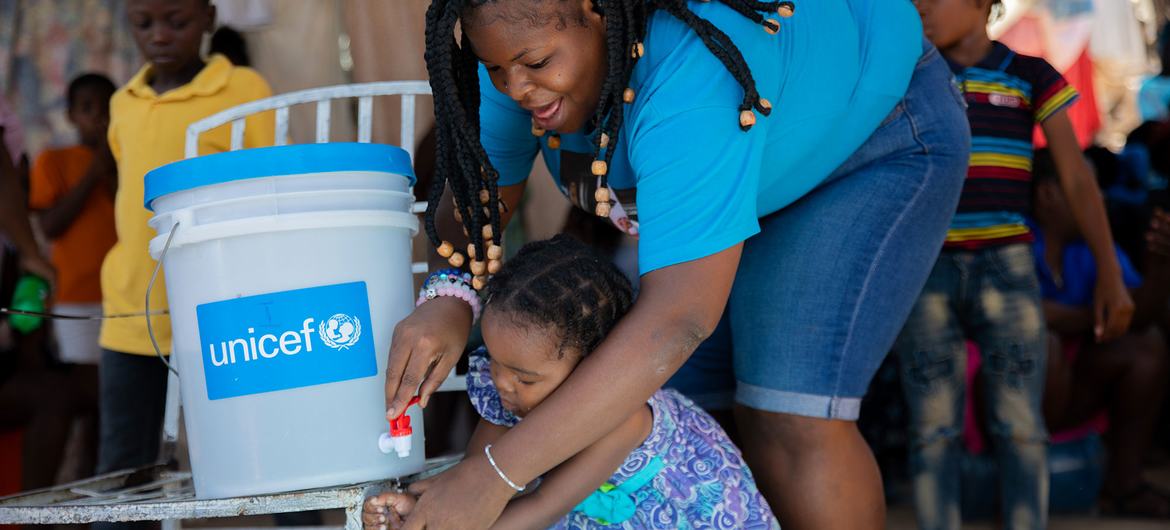
A mother and daughter attend a handwashing training session in Port-au-Prince, Haiti.
© UNICEF/Ralph Tedy Erol
 
A mother and daughter attend a handwashing training session in Port-au-Prince, Haiti.


9 May 2024

Humanitarian Aid

More than 30,000 people displaced by gang violence in Haiti’s capital, Port-au-Prince, have access to safe drinking water thanks to the UN Children’s Fund (UNICEF) and partners. 

Port-au-Prince has been in the grip of armed groups for several years now, and roughly two months ago they launched coordinated attacks which paralyzed the metropolitan area. 

Since then, UNICEF, alongside the National Directorate for Water and Sanitation (DINEPA) and partners, has provided more than 2.6 million litres of safe drinking water to children and families across 20 sites housing those displaced.

Tweet URL
UNICEF

Dire conditions, disease threat 

The recent escalation of violence has compounded the already dire situation faced by children and families, who already lack essential support and facilities.

The current rainy season has only added to their plight, leading to major flooding in lowland areas of the capital and the resurgence of cholera cases in Cité Soleil, an extremely impoverished neighbourhood. 

"With no drinking quality water and adequate sanitation and hygiene facilities, displaced children are exposed to water-borne diseases, more specifically to a widespread cholera outbreak" said Ruben Um Bayiha, Chief of UNICEF's Water, Sanitation, and Hygiene (WASH) Programme. 

‘Navigating a war zone’ 

Furthermore, he said “operating in such an insecure and volatile environment is akin to navigating a war zone every day.”   

Despite the challenges, UNICEF and partners are stepping up efforts to protect children and families and provide the lifesaving support they desperately need, he stressed. 

Supporting displaced families 

UNICEF leads WASH response in Haiti, providing over half of overall support, ensuring safe drinking water, sanitation, and hygiene services at all displacement sites.  

Initiatives include trucking water, treating piped water, repairing water supply and sanitation systems, building temporary latrines, providing essential hygiene items, and delivering hygiene messages. 

UNICEF said its WASH efforts “yielded significant outcomes” during March, with over 700,000 gallons (2.66 million litres) of chlorinated water distributed to displaced families and children.  

Collaborative efforts with partners such as the aid organizations Solidarités International, ORRAH, and ACTED, have ensured that essential needs were met even in the most challenging circumstances. 

Furthermore, UNICEF and partners have distributed hygiene kits to almost 11,000 internally displaced persons (IDPs) across six sites.  

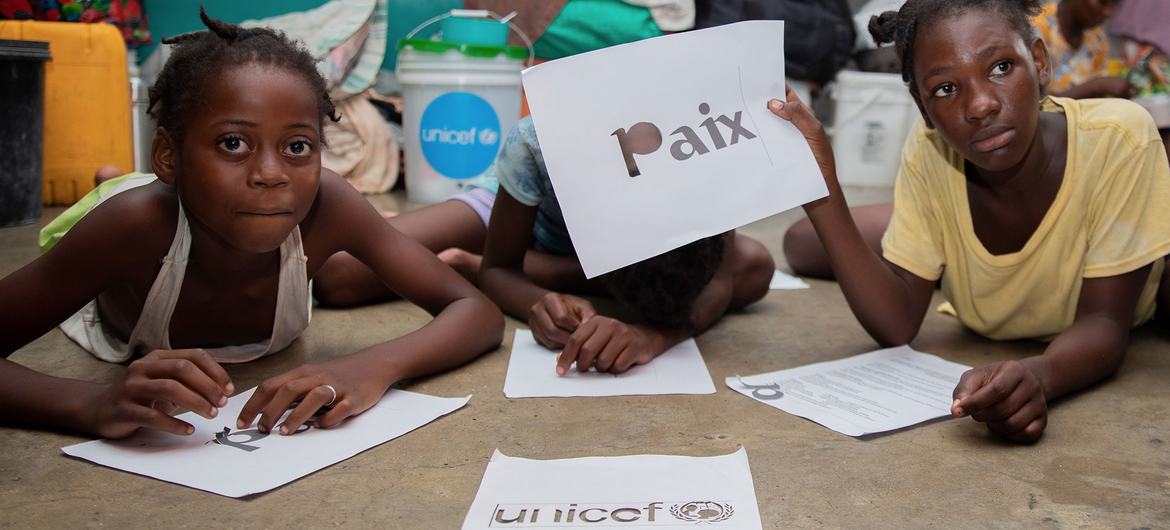
A schoolgirl in Port-au-Prince holds up a sign in French which reads 'peace'.
© UNICEF/Ralph Tedy Erol
 
A schoolgirl in Port-au-Prince holds up a sign in French which reads 'peace'.

‘Crisis will worsen’ 

UNICEF has also prioritized improving sanitary conditions in the high-risk IDP sites, including removing and safely disposing about 78 cubic metres of fecal sludge from three sites accommodating roughly 7,000 people. 

Mr. Um Bayiha upheld the agency’s commitment to addressing evolving needs, particularly as the region braces for the upcoming hurricane season. 

Yet, he warned that "this crisis will worsen unless the response is scaled up urgently,” underscoring the need for funding. 

UNICEF aims to support more than 884,000 people across Haiti this year to access quality water for drinking and domestic needs, as well as appropriate sanitation services and critical WASH supplies.

Thousands receive meals

Meanwhile, UN humanitarians and partners been supporting people affected by recent gang clashes in Delmas commune in Port-au-Prince.

Meals, shelter and other supplies have been provided to displaced persons and the host community, and the hope is that assistance will ramp up as soon as security allows.

This week, the World Food Programme distributed food to 264,000 schoolchildren and more than 5,600 displaced people in the capital.

WFP also distributed food in Cité Soleil, reaching some 26,000 people this week.

Teams have reached more than 680,000 people since the beginning of March and provided more than 800,000 hot meals to more than 94,000 displaced people in the Port-au-Prince metropolitan area. 

WFP has also distributed school meals to more than 330,000 school children across Haiti.


https://news.un.org/en/story/2024/05/1149551


https://creativecommons.org/licenses/by/3.0/legalcode

четверг, 18 мая 2023 г.

Children bearing the brunt of Afghanistan crisis: UNICEF


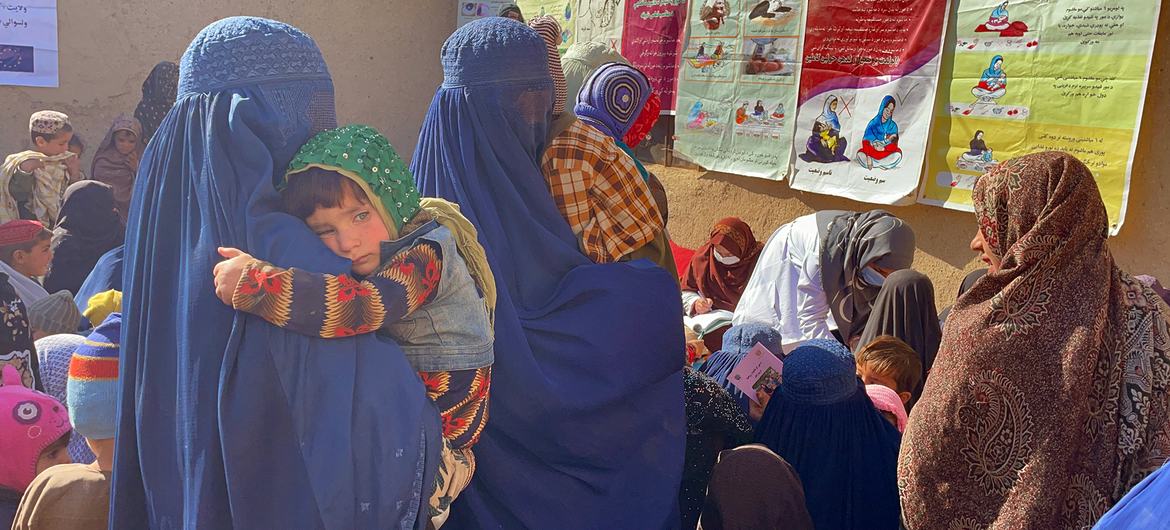
Women and children wait to be seen by members of a UNICEF-supported mobile health and nutrition team in Kandahar, Afghanistan.
© UNICEF/Salam Al-Janabi
 
Women and children wait to be seen by members of a UNICEF-supported mobile health and nutrition team in Kandahar, Afghanistan.
18 May 2023
Humanitarian Aid

Roughly 90 per cent of the population in Afghanistan is on the brink of poverty “and children bear the brunt of it,” the Representative of the UN Children’s Fund (UNICEF) in the country, Fran Equiza, told journalists in New York on Thursday. 

“Because, in what is a deeply troubled country - grappling with humanitarian catastrophe, climate related disasters, and egregious human rights abuses - too many people have forgotten that Afghanistan is a children's rights crisis,” he said, warning that the situation is getting worse. 

Young lives at risk 

This year, some 2.3 million Afghan boys and girls are expected to face acute malnutrition.  Of this number, 875,000 will need treatment for severe acute malnutrition, a life-threatening condition. 

Furthermore, around 840,000 pregnant women and breastfeeding mothers are likely to experience acute malnutrition, jeopardising their ability to give their babies the best start in life. 

Mr. Equiza added that although fighting has mostly stopped, decades of conflict mean that every day, children’s rights are violated “in the most appalling ways”.   

Escalating danger 

He said Afghanistan is among the most “weapons-contaminated countries” in the world, and most of the casualties are children. 

He cited preliminary data which suggests that 134 children were killed or maimed by explosive devices between January and March of this year. 

“This is the reality of the escalating danger faced by Afghan children as they explore areas that were previously inaccessible due to fighting,” he said. 

"Many of those killed and maimed are children collecting scrap metal to sell. Because that’s what poverty does. It compels you to send your children to work - not because you want to, but because you have to.”  

Trapped in child labour 

Meanwhile, roughly 1.6 million Afghan children – some as young as six - are trapped in child labour, working in dangerous conditions just to help their parents put food on the table. 

"And where education used to be a symbol of hope, children’s right to learn is under attack,” Mr. Equiza added. 

“Girls across Afghanistan have been denied their right to learn for over three years now – first, due to COVID-19 and then, since September 2021, because of the ban on attending secondary school. I don’t need to tell you of the impact of these absences on their mental health.” 

Staying and adapting 

He underlined UNICEF’s commitment to stay and deliver for the women and children in Afghanistan, where it has had a presence for nearly 75 years. 

“We’re adapting to the fast-changing realities on the ground, finding solutions to reach the children that need us the most, while ensuring that Afghan women employed by UNICEF can continue their invaluable contribution to our work for children,” he said. 

With needs growing every day, he called for greater support from the international community, noting that UNICEF’s Humanitarian Action for Children Appeal is only 22 percent funded. 


 https://news.un.org/en/story/2023/05/1136797


https://creativecommons.org/licenses/by/3.0/legalcode

UNICEF alert over ‘sickening’ levels of sexual violence in eastern DR Congo


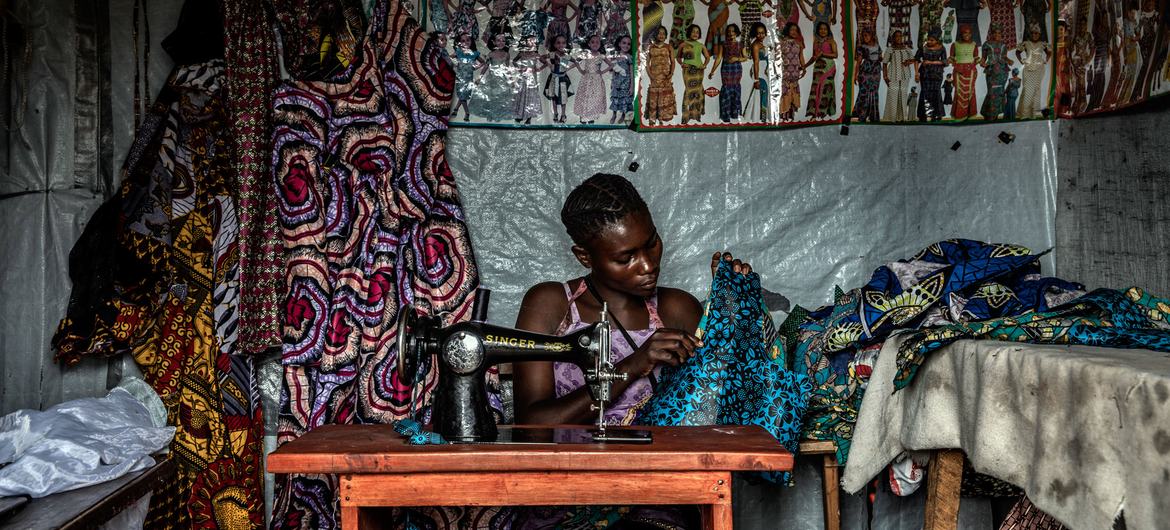
Through support from the Trust Fund for Victims assistance programme in North Kivu, Democratic Republic of the Congo, Dorika became part of a collective of women, all survivors of sexual violence, receiving micro-credit loans to start their own businesses
© Finbarr O’Reilly
 
Through support from the Trust Fund for Victims assistance programme in North Kivu, Democratic Republic of the Congo, Dorika became part of a collective of women, all survivors of sexual violence, receiving micro-credit loans to start their own businesses
18 May 2023
Humanitarian Aid

The UN Children’s Fund is calling for an urgent increase in funding to help tackle an escalating number of cases of sexual violence against children and women in the eastern Democratic Republic of the Congo’s (DRC) North Kivu province, where armed groups proliferate amidst heavy fighting in recent months.

Reports of gender-based violence (GBV) against girls and women there have increased by 37 per cent during the first three months of the year, compared to the same period a year ago, according to the GBV coordination group for North Kivu.

More than 38,000 cases of GBV were reported for all of 2022 in North Kivu alone. In most cases, survivors reported being attacked by armed men and displaced men in and around the camps.

Attacked where they should be safe

“Deeply vulnerable children and women, seeking refuge at camps are instead finding themselves facing more abuse and pain,” said UNICEF’s Representative in DRC, Grant Leaity.

“The surge in sexual violence against children is horrifying, with reports of some as young as three years old having been sexually exploited. This wake-up call should shock, sicken, and jolt us all into action.”

Since the beginning of March 2022, over 1.16 million people have been displaced by clashes between parties to the conflict in North Kivu.

Almost 60 per cent of those displaced are living in overcrowded sites and collective shelters just outside of Goma, the provincial capital, where risks of sexual violence are extremely high.

Exploitation at hundreds of sites

UNICEF is also aware of the very high levels of sexual exploitation of children at more than 1,000 sites in and around displacement camps.

The impact on the physical and mental health of girls and women is immeasurable and long-lasting, said the agency. Approximately one in four survivors of sexual violence need specialized medical and psychological support, according to the GBV coordination group.

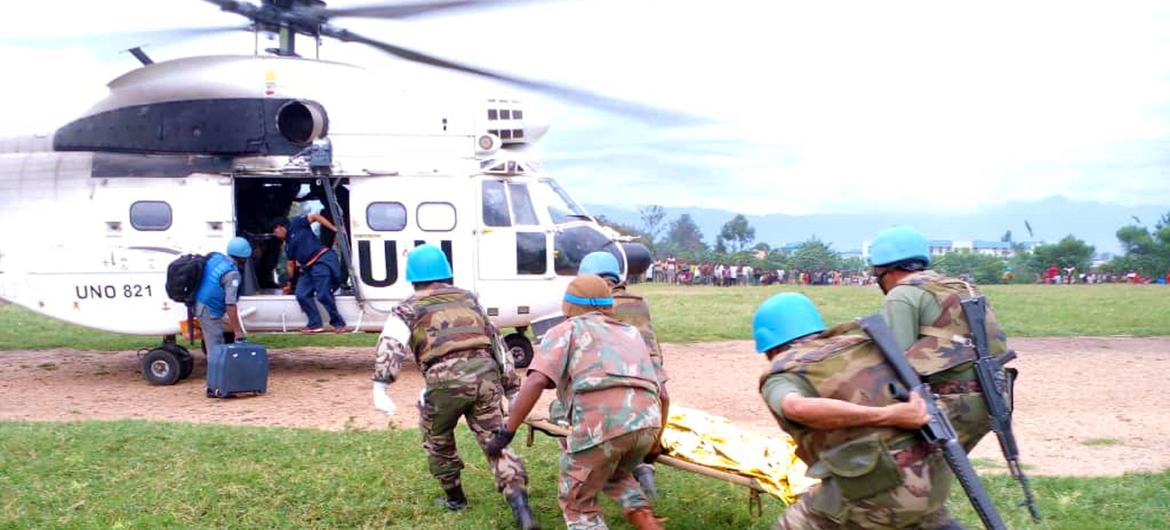
Injured UN peacekeepers in DRC from Morocco being transported for treatment after they were attacked in Kiwanja, Rutshuru North Kivu by the armed group M23.
MONUSCO
 
Injured UN peacekeepers in DRC from Morocco being transported for treatment after they were attacked in Kiwanja, Rutshuru North Kivu by the armed group M23.

UNICEF and partners boost support

UNICEF has stepped up its activities to prevent and respond, the agency said, providing essential medical and psychosocial services to affected girls and women at the four largest displacement camps near Goma.

In collaboration with the Provincial Division of Social Affairs and in partnership with Heal Africa, the agency has also established safe spaces for girls and women within displacement camps, where psychologists, professional social workers and trained community-based para-social workers identify and care for children and women in need, referring them for additional services as required.  

To protect girls and women, UNICEF is urgently calling for a significant scale-up of services to prevent and respond to sexual violence in and around displacement camps; a halt to the large-scale sexual exploitation of girls and women; and the dismantling of the identified sites in and around camps where sexual exploitation occurs.

UNICEF is also appealing to donors so that more direct aid can be given to those stranded in displacement camps.

“We call on the government, local authorities, partners and donors to take all necessary actions to end this situation immediately, to shut down known sites of sexual exploitation, and to protect women and girls who have already been victims of displacement,” added Mr. Leaity.

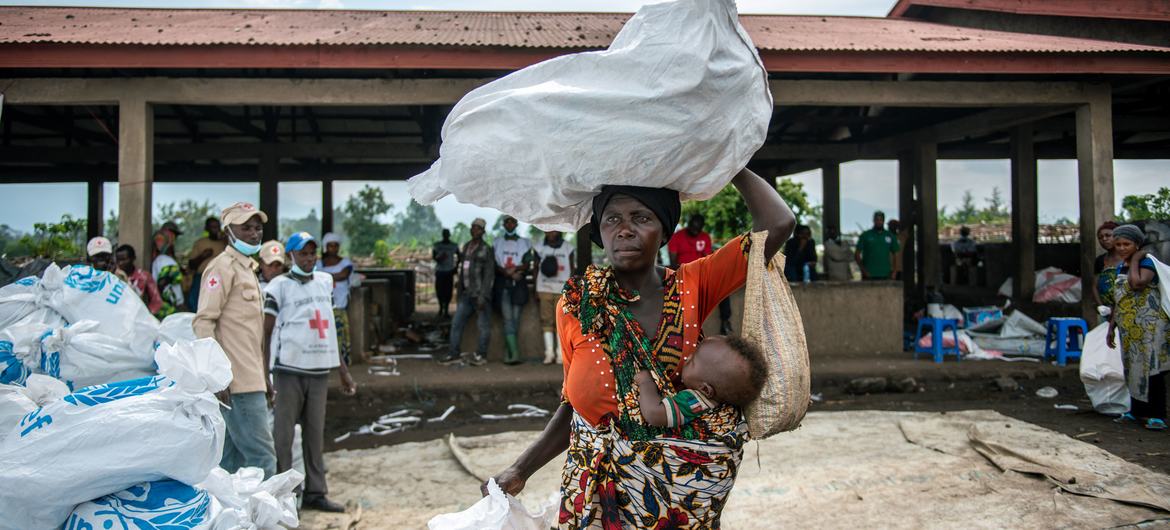
The UN continues to provide humanitarian aid to people displaced by armed clashes in North Kivu province in the eastern DRC.
© UNICEF/Arlette Bashizi
 
The UN continues to provide humanitarian aid to people displaced by armed clashes in North Kivu province in the eastern DRC.

 https://news.un.org/en/story/2023/05/1136777

https://creativecommons.org/licenses/by/3.0/legalcode