Избранное сообщение

Показаны сообщения с ярлыком Haiti. Показать все сообщения

суббота, 29 июня 2024 г.

Haitian capital’s crippled health system ‘on the brink’

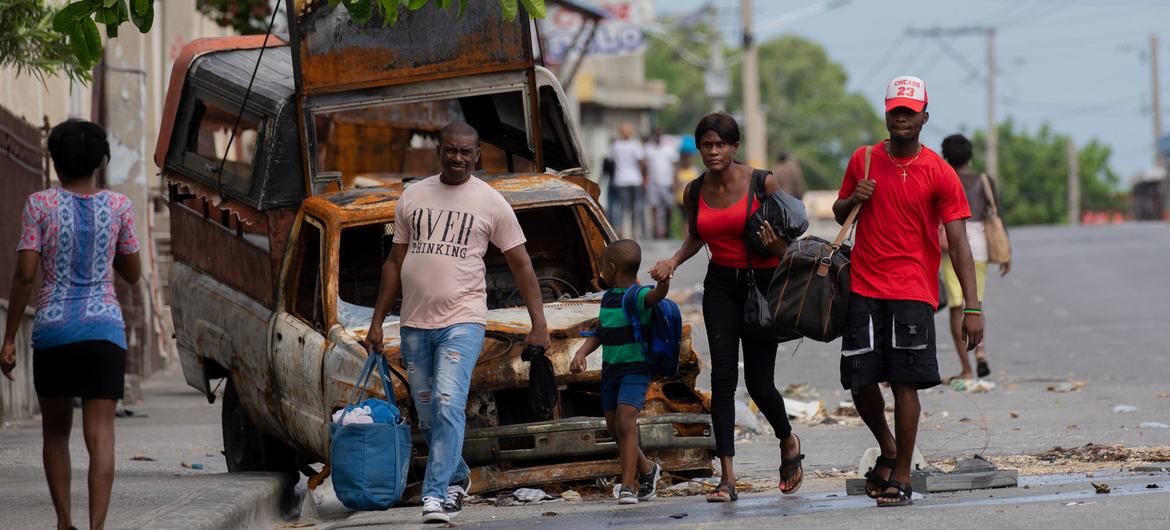
People flee the neighbourhood of Solino in Port-au-Prince following gang attacks there in May 2024.
© UNICEF/Ralph Tedy Erol
 
People flee the neighbourhood of Solino in Port-au-Prince following gang attacks there in May 2024.


9 hours 47 minutes ago 

The health system in the Haitian capital Port-au-Prince is “on the brink” and “crippled by escalating violence” according to the UN’s Pan American Health Organization’s (PAHO) representative in the Caribbean island nation, Dr. Oscar Barreneche.

The Haitian health ministry estimates that almost 40 per cent of facilities providing beds for treatment, including the country’s main university hospital, have shut down in the last two months alone because of insecurity and looting, mainly perpetrated by gangs.

Haiti, and in particular Port-au-Prince, continues to witness unprecedented levels of lawlessness and brutality as gangs continue to fight for influence and territory.

Meanwhile, some 580,000 people are displaced within the country.

Here are five things you need to know about the current health situation in Haiti and what the United Nations is doing to help.

1. Healthcare access is scarce

The security crisis is having a huge impact on an already fragile healthcare system.

Access to healthcare - as well as essential social services, hygiene facilities and psychological assistance in Haiti - is scarce and capacity, especially in the capital, remains extremely limited.
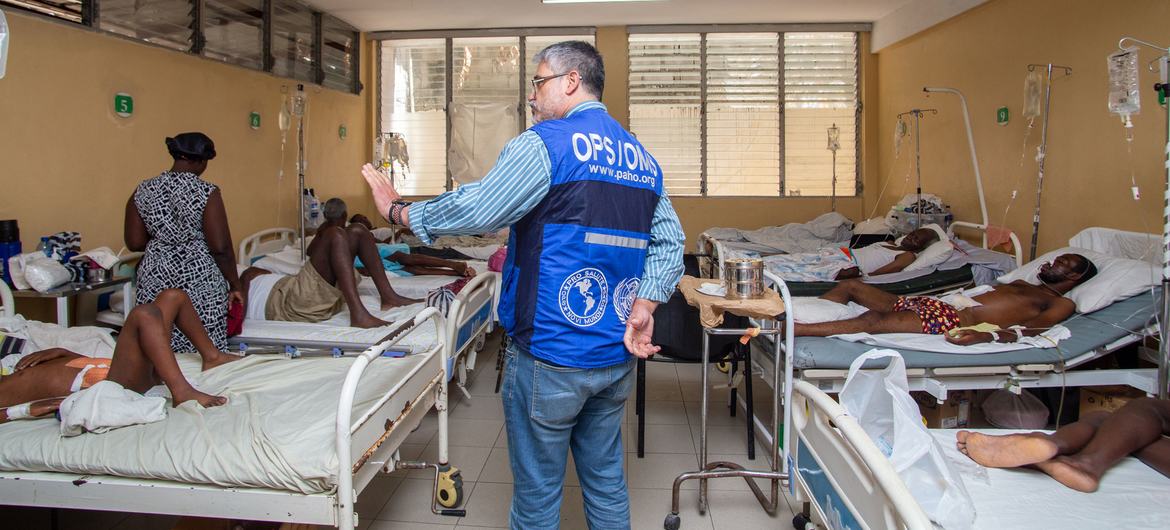
PAHO's Dr. Oscar Barreneche meets patients at the Hôpital Universitaire de La Paix, in Port-au-Prince.
© WHO/Lorens Mentor
 
PAHO's Dr. Oscar Barreneche meets patients at the Hôpital Universitaire de La Paix, in Port-au-Prince.

Health facilities have closed or have drastically reduced their operations because they are running out of medicine and vital medical supplies, some of which have been looted.

In the Artibonite department just north of the capital, where gangs have recently become dominant, only a quarter of health facilities are functional.

The number of available medical staff, who often cannot get to work because of security concerns, is also decreasing. UNICEF estimates that around 40 per cent of healthcare providers have left the country recently “due to extreme levels of insecurity.”

2. Women and children are suffering

The closure of hospitals and health facilities has left an estimated 3,000 pregnant women struggling to access maternal health services according to the UN sexual and reproductive health agency, UNFPA.
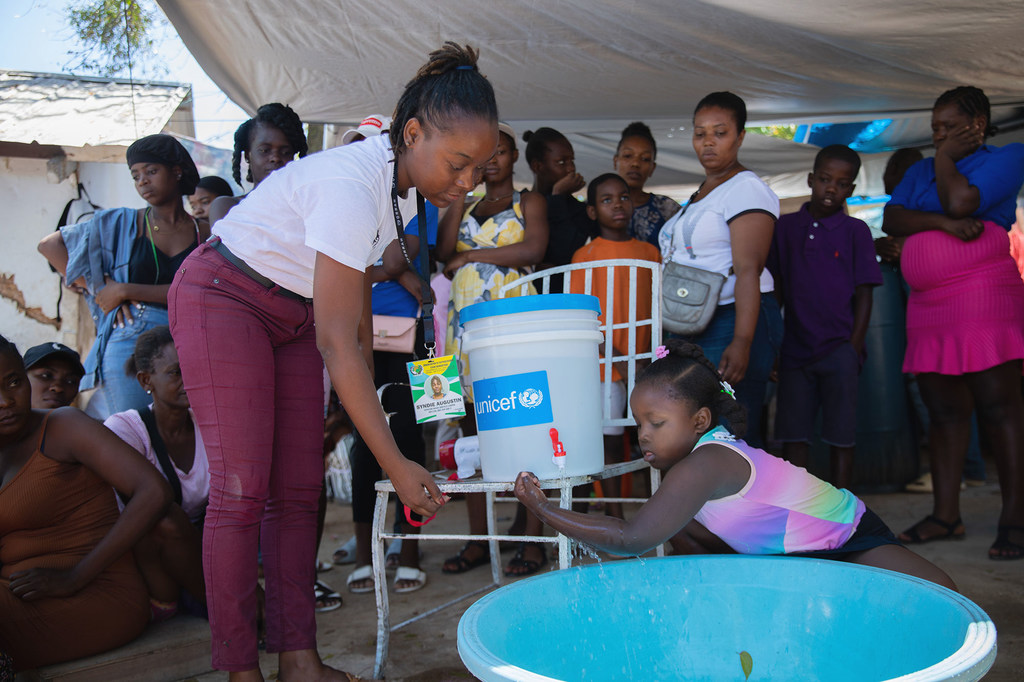
A child in Port-au-Prince, Haiti, learns about the importance to her health of washing hands.
© UNICEF/Ralph Tedy Erol
 
A child in Port-au-Prince, Haiti, learns about the importance to her health of washing hands.

The neonatal, pediatric, and nutritional units that are still functioning are overwhelmed and the few still operating in areas controlled by armed groups lack adequate human resources, equipment, and medicines to provide essential health and nutrition services.

The UN is concerned that a child health and nutrition crisis could cost the lives of countless children. Insecurity in Port-au-Prince has made it virtually impossible for supplies to reach at least 58,000 children suffering from severe wasting in the metropolitan area. 

The UN’s International Organization for Migration (IOM) has also warned that violence and insecurity is affecting the mental health of displaced people including women, leading to distress and even suicidal behaviour.

3. The healthcare system is still functioning

The UN says that two out of every five Haitians need urgent access to care and despite the many challenges the country faces, the healthcare system is still functioning and some patients are receiving the treatment they need.

The Hôpital Universitaire de La Paix, in Port-au-Prince, which is supported by PAHO is on the frontline of providing services - including treating gun-shot wounds among other emergency care needs.
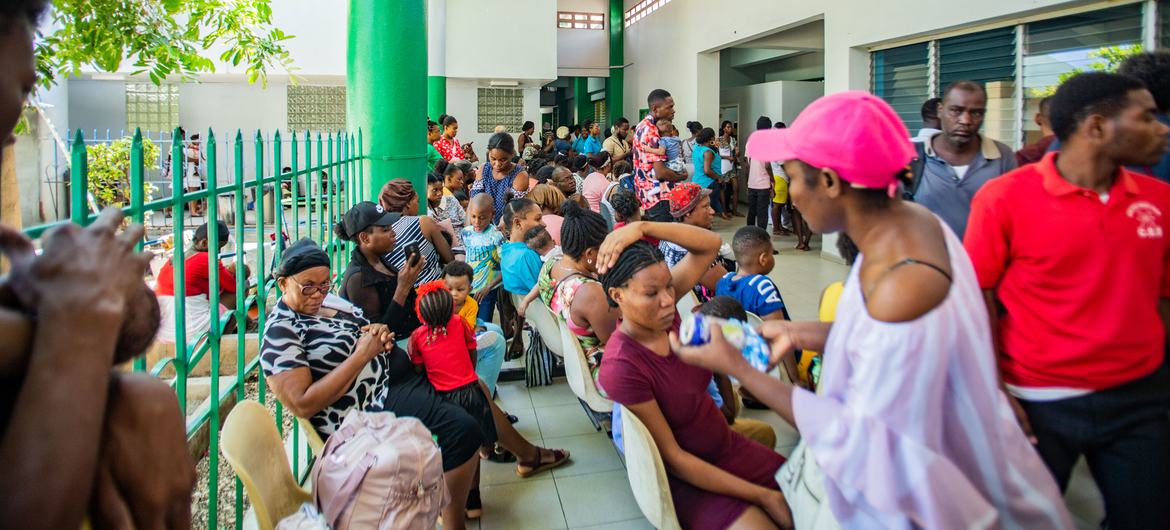
The Hôpital Universitaire de La Paix, in Port-au-Prince continues to provide healthcare to patients.
© WHO/Lorens Mentor
 
The Hôpital Universitaire de La Paix, in Port-au-Prince continues to provide healthcare to patients.

The hospital director, Dr Paul Junior Fontilus, told PAHO that an emergency plan had been activated “to better manage the influx of seriously injured people. Our priority is to ensure that all victims receive the immediate care they need.”

4. There are some positive developments

The international airport in Port-au-Prince had been closed because of gang activity but it has resumed operations, a positive development according to PAHO’s Dr. Oscar Barreneche: “The reopening of the airport has offered a lifeline, allowing us to restock critical medical supplies and equipment. Yet, the battle is far from over, with humanitarian conditions gradually worsening for an increasing number of Haitians.”

The arrival in Haiti of the Multinational Security Support (MSS) Mission (which although backed by the UN Security Council is not a UN operation), will provide operational support to the Haitian police in countering gangs and boost security around critical infrastructure like hospitals.

The UN Security Council also called on the MSS, through its support to the police, to help ensure unhindered and safe access to humanitarian aid for the people receiving assistance.

5. UN agencies continue to respond

Together with local partners, the United Nations and other humanitarian organisations are providing life-saving assistance on a daily basis.

In places were displaced people have fled, PAHO is providing support along with IOM, UNFPA and the World Food Programme (WFP).
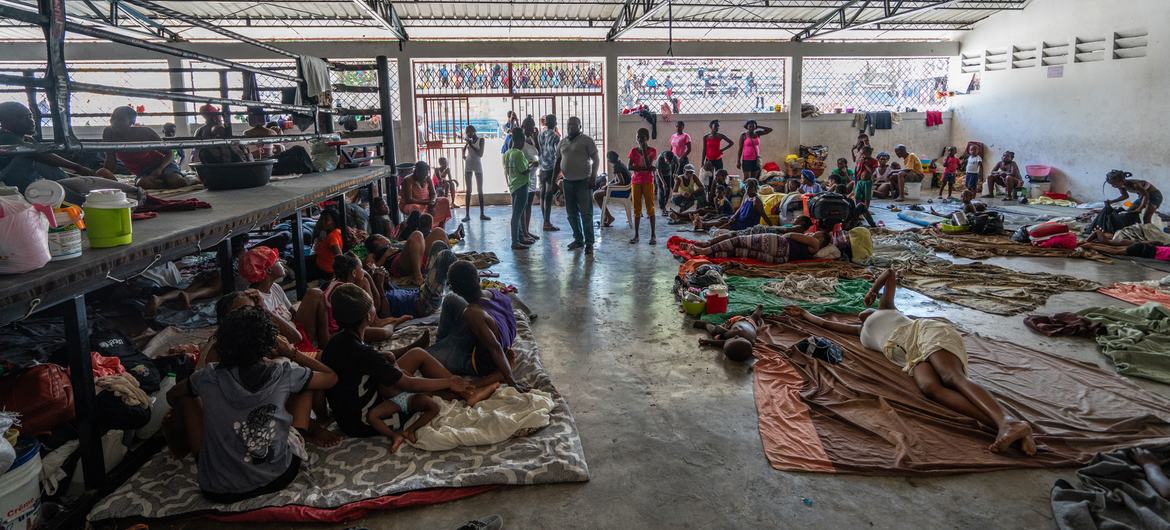
Displaced people shelter in a boxing arena in downtown Port-au-Prince after fleeing their homes due to attacks by gangs.
© UNOCHA/Giles Clarke
 
Displaced people shelter in a boxing arena in downtown Port-au-Prince after fleeing their homes due to attacks by gangs.

UNFPA and PAHO are supporting three hospitals in Port-au-Prince to provide maternal health services, including emergency obstetric care. It is also providing medicines and supplies, including for the clinical management of rape survivors, to 13 health facilities in the capital and surrounding region. It has deployed mobile clinics to seven displacement sites to support women’s and girls’ sexual and reproductive health, reaching close to 4,500 people so far.

Thousands of dignity kits containing hygiene and other essential supplies have also been distributed to the most vulnerable.

PAHO’s Dr. Oscar Barreneche said: “We face ongoing challenges that demand unwavering support and action to ensure stable and accessible life-saving healthcare for the people in need."

Read The UN humanitarian office, OCHA’s latest emergency situation report here.


https://news.un.org/en/story/2024/06/1151621


https://creativecommons.org/licenses/by/4.0/legalcode.en

среда, 22 мая 2024 г.

Haiti’s health system pushed to breaking point: UNICEF


Haiti’s health system pushed to breaking point: UNICEF

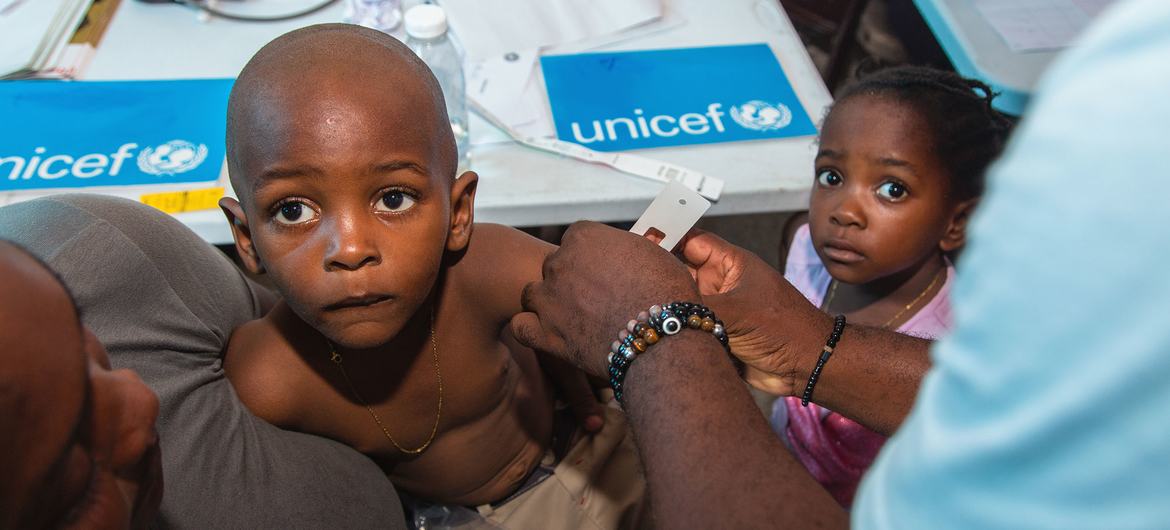
A child is treated for malnutrition at a mobile health clinic in Port-au-Prince, Haiti.
© UNICEF/Georges Harry Rouzier
 
A child is treated for malnutrition at a mobile health clinic in Port-au-Prince, Haiti.


22 May 2024
Peace and Security

Haiti’s health system is now “on the verge of collapse” UN Children’s Fund (UNICEF) Representative in Haiti Bruno Maes warned on Wednesday, amidst an alarming decrease in the number of hospitals still functioning in the violence-wracked Caribbean nation.

There are only six out of ten hospitals which still have some operational capacity as the gang-led chaos continues across the capital, Port-au-Prince, leaving vulnerable children deprived of essential care.

Mr. Maes said that the increased violence along with “mass displacement, dangerous epidemics and increasing malnutrition” has stretched the country’s health system to the limit and the “strangling of supply chains” may fully break it.

“The escalating violence in Port au Prince and Artibonite is plunging Haiti into a humanitarian disaster. Not only are children trapped, but so are the critical supplies that are meant to cure and nourish them,” Mr. Maes told UN News. 

Strained resources

Warehouses, pharmacies and containers filled with essential supplies have either been held up or looted, according to UNICEF. 

Yet, hundreds of containers holding humanitarian aid including neonatal, maternal, and medical necessities, remain stranded in Port-au-Prince.

The country’s capital usually receives and releases all imported health supplies, but with rampant violence and over 160,000 displaced civilians, Port-au-Prince can no longer care for a population that is “concurrently fighting physical trauma and the risk of disease.”

UNICEF says many of the displaced families, especially those in the southern parts of the country, are seeking safety and security, piling pressure on local health services. The agency reported that about 40 per cent of staff have had to leave the country because of high levels of insecurity. 

Widespread disease outbreaks

Haiti has reported 82,000 cases of cholera between October 2022 and April 2024, UNICEF said. 

Nearly 4.4 million people in Haiti desperately need food assistance, and 1.6 million civilians are dealing with acute food insecurity increasing the risk of child wasting and malnutrition. 

This situation is likely to be worsened by the coming rainy season which may cause a rise in waterborne diseases and diseases spread by mosquitoes, such as malaria. 

UNICEF and other humanitarian partners are establishing alternatives to Port-au-Prince’s import and dispatch hubs. 

These alternative routes have allowed the agency along with the Ministry of Health and international donors and partners, to deliver vaccines, medicine and medical supplies to children with the greatest needs.

On 18, 20 and 21 May, UNICEF delivered 38 tons of essential medical and lifesaving supplies, including health and cholera kits, through a new operational hub established by the UN and the children’s find.

Mr. Maes told UN News these supplies will be dispatched to health facilities “that are only barely keeping their heads above water.”

UNICEF says more aid is desperately needed. 

“We cannot allow vital supplies that could save children’s lives to remain blocked in warehouses and containers. They must be delivered now,” said Mr. Maes.

He told UN News that UNICEF is also “sourcing vital, ready-to-use therapeutic food right here in Haiti.”

He said that these supplies will go to 600 health facilities across Haiti as well as several other mobile clinics in areas with limited access.

“When supply reach children, children have a chance to a healthy life…children can go to school. They can play, they can just be children,” Mr. Maes said. 


https://news.un.org/en/story/2024/05/1150086

https://creativecommons.org/licenses/by/3.0/legalcode

пятница, 10 мая 2024 г.

Haiti: UNICEF ensures thousands have safe drinking water


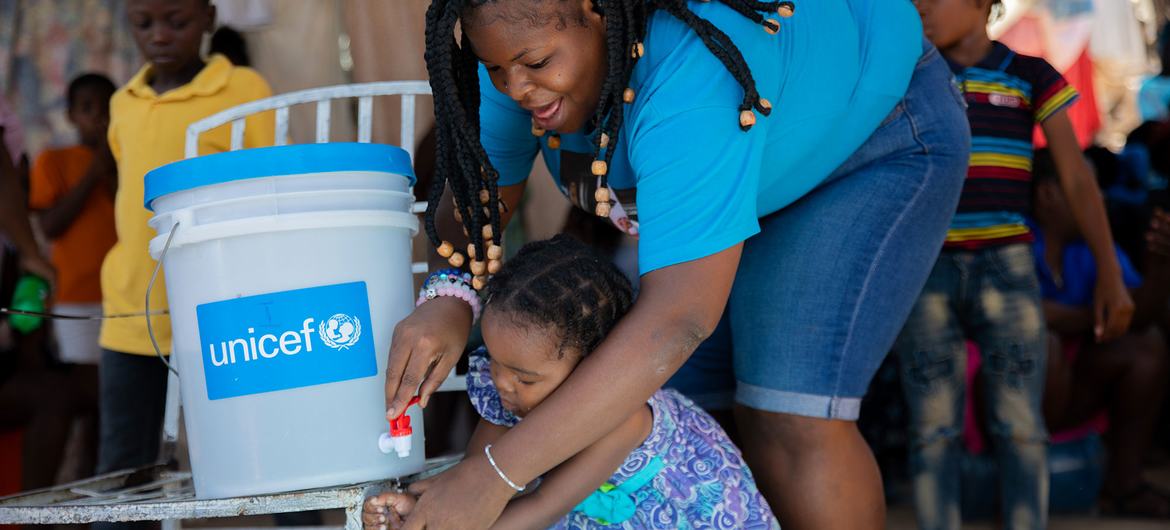
A mother and daughter attend a handwashing training session in Port-au-Prince, Haiti.
© UNICEF/Ralph Tedy Erol
 
A mother and daughter attend a handwashing training session in Port-au-Prince, Haiti.


9 May 2024

Humanitarian Aid

More than 30,000 people displaced by gang violence in Haiti’s capital, Port-au-Prince, have access to safe drinking water thanks to the UN Children’s Fund (UNICEF) and partners. 

Port-au-Prince has been in the grip of armed groups for several years now, and roughly two months ago they launched coordinated attacks which paralyzed the metropolitan area. 

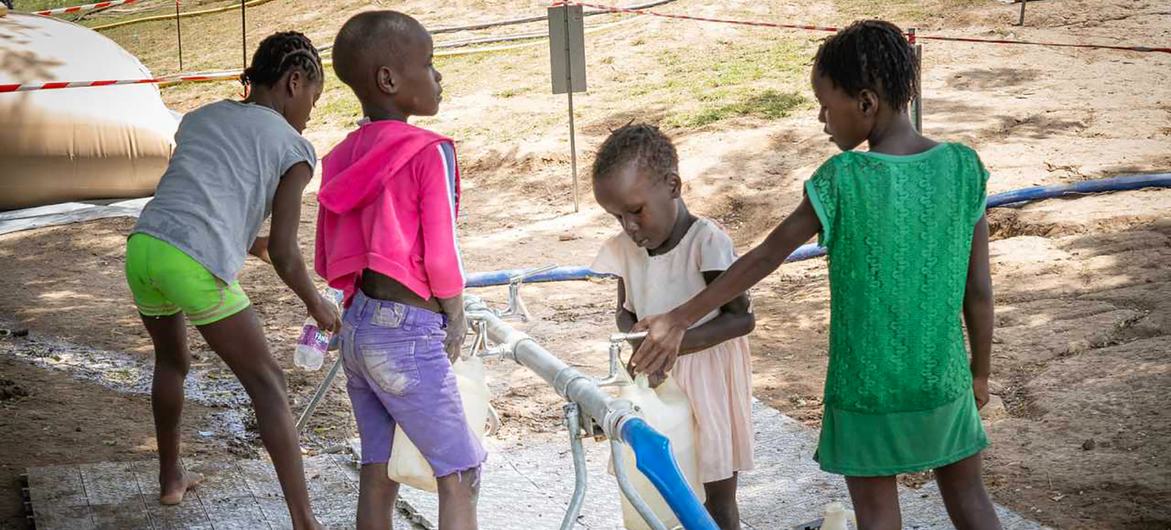
Since then, UNICEF, alongside the National Directorate for Water and Sanitation (DINEPA) and partners, has provided more than 2.6 million litres of safe drinking water to children and families across 20 sites housing those displaced.

Tweet URL
UNICEF

Dire conditions, disease threat 

The recent escalation of violence has compounded the already dire situation faced by children and families, who already lack essential support and facilities.

The current rainy season has only added to their plight, leading to major flooding in lowland areas of the capital and the resurgence of cholera cases in Cité Soleil, an extremely impoverished neighbourhood. 

"With no drinking quality water and adequate sanitation and hygiene facilities, displaced children are exposed to water-borne diseases, more specifically to a widespread cholera outbreak" said Ruben Um Bayiha, Chief of UNICEF's Water, Sanitation, and Hygiene (WASH) Programme. 

‘Navigating a war zone’ 

Furthermore, he said “operating in such an insecure and volatile environment is akin to navigating a war zone every day.”   

Despite the challenges, UNICEF and partners are stepping up efforts to protect children and families and provide the lifesaving support they desperately need, he stressed. 

Supporting displaced families 

UNICEF leads WASH response in Haiti, providing over half of overall support, ensuring safe drinking water, sanitation, and hygiene services at all displacement sites.  

Initiatives include trucking water, treating piped water, repairing water supply and sanitation systems, building temporary latrines, providing essential hygiene items, and delivering hygiene messages. 

UNICEF said its WASH efforts “yielded significant outcomes” during March, with over 700,000 gallons (2.66 million litres) of chlorinated water distributed to displaced families and children.  

Collaborative efforts with partners such as the aid organizations Solidarités International, ORRAH, and ACTED, have ensured that essential needs were met even in the most challenging circumstances. 

Furthermore, UNICEF and partners have distributed hygiene kits to almost 11,000 internally displaced persons (IDPs) across six sites.  

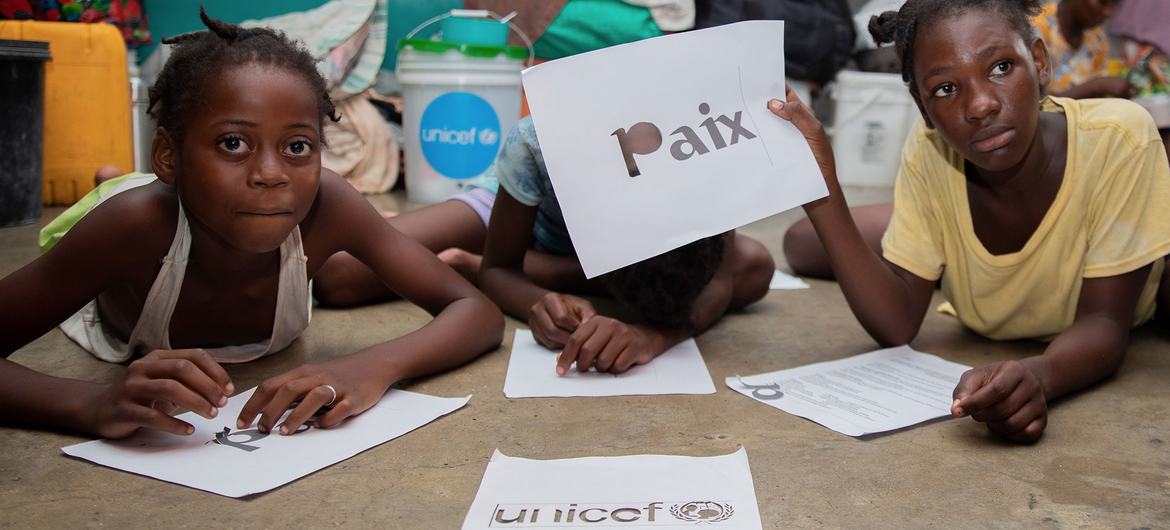
A schoolgirl in Port-au-Prince holds up a sign in French which reads 'peace'.
© UNICEF/Ralph Tedy Erol
 
A schoolgirl in Port-au-Prince holds up a sign in French which reads 'peace'.

‘Crisis will worsen’ 

UNICEF has also prioritized improving sanitary conditions in the high-risk IDP sites, including removing and safely disposing about 78 cubic metres of fecal sludge from three sites accommodating roughly 7,000 people. 

Mr. Um Bayiha upheld the agency’s commitment to addressing evolving needs, particularly as the region braces for the upcoming hurricane season. 

Yet, he warned that "this crisis will worsen unless the response is scaled up urgently,” underscoring the need for funding. 

UNICEF aims to support more than 884,000 people across Haiti this year to access quality water for drinking and domestic needs, as well as appropriate sanitation services and critical WASH supplies.

Thousands receive meals

Meanwhile, UN humanitarians and partners been supporting people affected by recent gang clashes in Delmas commune in Port-au-Prince.

Meals, shelter and other supplies have been provided to displaced persons and the host community, and the hope is that assistance will ramp up as soon as security allows.

This week, the World Food Programme distributed food to 264,000 schoolchildren and more than 5,600 displaced people in the capital.

WFP also distributed food in Cité Soleil, reaching some 26,000 people this week.

Teams have reached more than 680,000 people since the beginning of March and provided more than 800,000 hot meals to more than 94,000 displaced people in the Port-au-Prince metropolitan area. 

WFP has also distributed school meals to more than 330,000 school children across Haiti.


https://news.un.org/en/story/2024/05/1149551


https://creativecommons.org/licenses/by/3.0/legalcode

вторник, 13 июня 2023 г.

Almost 3 million children ‘desperately need protection and support’ in Haiti


Nearly 3 million children are in need in Haiti this year.
© UNOCHA/M. Minasi
 
Nearly 3 million children are in need in Haiti this year.
15 June 2023Humanitarian Aid

Nearly 3 million children, the highest number on record, need humanitarian support in Haiti, where they face staggering levels of violence that have exacerbated hunger and malnutrition in a country already mired in poverty and a resurgence of deadly cholera. 

“Being a child in Haiti today is harsher and more dangerous than it ever has been in living memory.  The threats and hardships children face are simply unimaginable. They desperately need protection and support,” said UNICEF Haiti Representative Bruno Maes. 

Displacement and violence  

Children find themselves in the crossfire, or directly targeted, as armed groups terrorize the population in their fight for territory and control, mainly in the capital Port-au-Prince, and increasingly in the neighbouring Artibonite region, said UNICEF. 

Children are being killed or injured on their way to school while women and girls face extreme sexual violence, the agency noted. Kidnappings for ransom have skyrocketed, as have attacks on schools. Tens of thousands have been displaced by the violence. 

Chronic Malnutrition  

At the same time, hunger and life-threatening malnutrition are at record levels across the country, UNICEF said, concentrated in the capital’s poorest and most insecure neighbourhoods, where some families are essentially trapped and cut off from essential services.  

The number of children suffering from life-threatening malnutrition shot up by 30 per cent since last year, and nearly one in four suffers from chronic malnutrition. 

Vulnerability to armed groups  

Violence, poverty and despair are driving children towards armed groups, UNICEF continued. 

Many children and young people in Port-au-Prince say they are being forced to join armed groups for protection or because it means food and income for the family. Some say they provide a sense of identity and belonging. 

In addition to the violence, hunger and diseases such as cholera, Haiti faces the constant threat of violent storms and earthquakes. In early June, heavy rains, which coincided with the start of the hurricane season, caused destructive and deadly flooding. It was followed by a deadly earthquake just days later in Grand Anse.  

Tweet URL

Urgent need for funding  

Nearly three million children are in need in Haiti this year, the highest number on record. But funding falls far short of the humanitarian needs. UNICEF’s $246 million funding requirement for Haiti this year is less than 15 per cent funded. 

UNICEF is scaling up its operations and expanding its presence in the field, despite the limited funding. Together with partners, the agency said it was delivering lifesaving support. 

“Despite the massive challenges, humanitarian support has helped stave off catastrophic hunger and malnutrition. But far more is needed. The international community cannot turn its back on Haiti’s children in their hour of most profound 

 https://news.un.org/en/story/2023/06/1137752


https://creativecommons.org/licenses/by/3.0/legalcode

пятница, 14 апреля 2023 г.

Haiti: $720 million plan to support millions facing gangs, hunger and cholera

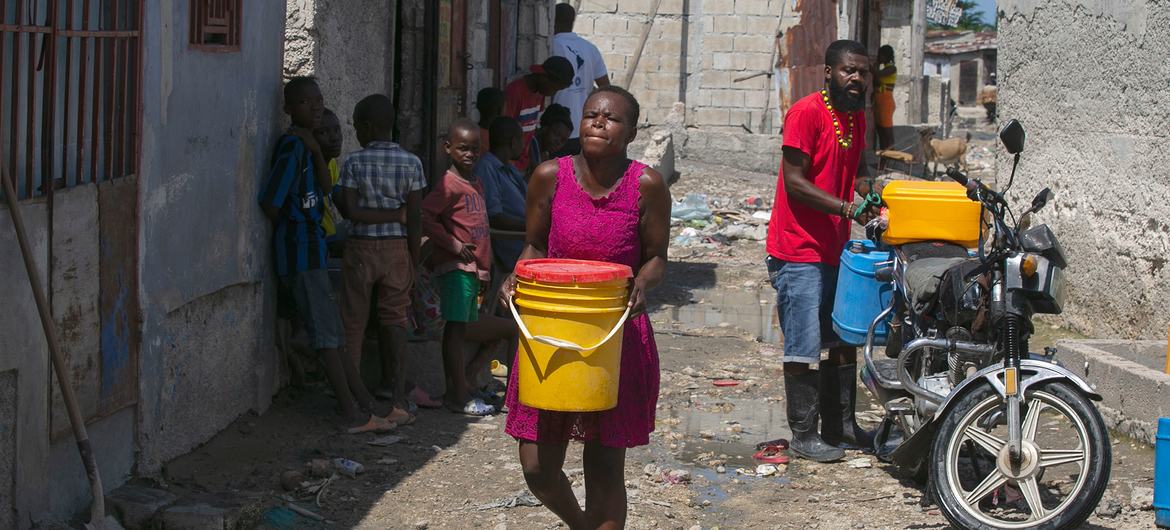
A woman in Port-au-Prince, Haiti, carries water she has bought from a local trader.
© UNICEF/Odlyn Joseph
 
A woman in Port-au-Prince, Haiti, carries water she has bought from a local trader.
14 April 2023
Humanitarian Aid

The UN and partners are appealing for $720 million to support more than three million people in Haiti, where gangs, hunger, and cholera have plunged nearly half the population into humanitarian need. 

The 2023 funding appeal is the largest for the Caribbean country since the devastating 2010 earthquake and more than double the amount requested last year. 

Tweet URL

The UN humanitarian affairs office (OCHA) said the number of Haitians who require aid to survive doubled over the past five years to 5.2 million, and the aim is to reach 60 per cent, or 3.2 million people. 

‘A critical time’ 

The full 2023 Humanitarian Response Plan, which will be launched on 19 April, comes at “a critical time”, said Ulrika Richardson, UN Humanitarian Coordinator in Haiti. 

“With the situation in the country rapidly deteriorating, this year’s plan will address the most immediate humanitarian and protection needs while strengthening people’s and institution’s resilience to natural shocks,” she said. 

“At the same time, what the people of Haiti desperately want is peace and security, and we should all support efforts to that end.”  

Climate of fear 

A key driver of the crisis is gang violence, which continues to spread across the country, OCHA said. An estimated 80 per cent of the metropolitan area of the capital, Port-au-Prince, is either under the control or the influence of gangs.  

“There is a constant climate of fear, especially in Port-au-Prince,” Ms. Richardson said. “Haitians put their lives at risk simply by trying to go to work, feed their families, or take their children to school.”  

Armed violence disproportionately impacts women and girls, but boys are also affected, OCHA reported. 

Rape, including gang rape, and other forms of sexual violence, is being used to terrorize the population, including children as young as age 10, the UN agency said. Meanwhile, many gangs also recruit children into their ranks.  


 https://news.un.org/en/story/2023/04/1135647

https://creativecommons.org/licenses/by/3.0/legalcode