Избранное сообщение

Показаны сообщения с ярлыком Peace and Security. Показать все сообщения

четверг, 11 июля 2024 г.

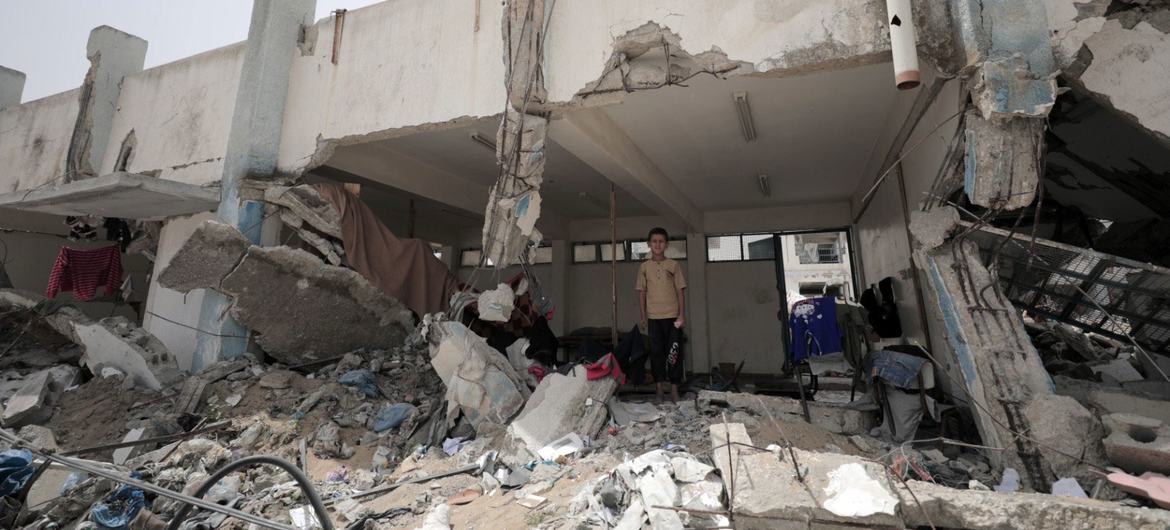
Schools ‘bombed-out’ in latest Gaza escalation, says UNRWA chief


A bombed-out school provides some shelter to a family in Khan Younis, Gaza.
© UNRWA
 
A bombed-out school provides some shelter to a family in Khan Younis, Gaza.
By Daniel Johnson

10 July 2024 

Peace and Security

Amid reports of intensified heavy shelling in north, central and southern Gaza, the head of the UN agency for Palestine refugees, UNRWA, confirmed on Wednesday that schools-turned-shelters have been “bombed-out” as a result of the latest escalation.

“Four schools hit in the last four days. Since the war began, two thirds of UNRWA schools in Gaza have been hit, some were bombed out, many severely damaged,” said Philippe Lazzarini, in a post on X.

In a statement posted on Tuesday, the Israeli military said it had been targeting “terrorist infrastructure and terrorist operatives” in Gaza City.

Under fire

On Tuesday, at least 25 people were killed after an Israeli strike near a school building sheltering displaced Gazans in eastern Khan Younis, southern Gaza, according to the enclave’s health authorities.

Tweet URL

On Saturday, another strike left at least 16 dead at an UNRWA school in Nuseirat, central Gaza, followed a day later by a hit on a school in Gaza City that was reportedly sheltering hundreds of people.

Further Israeli strikes on Monday were reported on or near an UNRWA school in Nuseirat,  UNRWA Director of Communications Juliette Touma told UN News.

No safe place

“This is becoming commonplace; only in the past four days we've seen four schools come under attack,” she said. Every time a school is hit “dozens of people pay the price.”

The UN agency – the largest humanitarian operator in Gaza - closed all of its schools when war erupted on 7 October in response to Hamas-led attacks on multiple targets in southern Israel that left some 1,250 dead and more than 250 taken hostage.

“We've turned the vast majority of them into shelters and at some point we had one million people staying in our schools,” Ms. Touma explained, adding that of the casualties from the latest school strikes, “many” were women and children.

Since the war began, more than half of UNRWA’s facilities - the vast majority of them schools - have been hit.

“Some were completely bombed out and are out of commission”, Ms. Touma continued, adding that since the war began, at least 600,000 children have seen their schools close.

Lost generation

“In the case of UNRWA most of them were used as shelters, but what this means is that if this war continues, we are on the verge of losing a whole generation of children,” she continued.

“The longer children stay out of school, the more difficult it is for them to catch up on education losses; the higher the risk that they fall prey to exploitation, including child labour, child marriage, but also recruitment into armed groups, and recruitment into the fighting. So it is for the sake of those children that we must have a ceasefire”.

In response to allegations that the schools were being used by Hamas fighters or affiliates, the UNRWA official insisted that no UN facility should be used for military purposes, before reiterating repeated calls by the Commissioner-General for “independent inquiries and investigations into all these very serious claims”.

“Civilian infrastructure, including schools, including shelters, including other facilities like health, clinics, or hospitals, must be protected at all times, including in times of conflict,” Ms. Touma insisted.

Soundcloud

Rising toll

In a related development, the UN sexual reproduction agency, UNFPA, warned that the humanitarian situation in Gaza continues to worsen, with “severe suffering” now the norm.

Citing Gazan health authorities, UNFPA said that nearly 38,000 Palestinians have now been killed and more than 87,000 injured, with food, shelter, health and livelihood resources all “critically low”.

Across the enclave some 1.9 million people remain forcibly uprooted by the conflict – often repeatedly - and evacuation orders issued by the Israeli military.

Gazans live in “tents, overcrowded shelters, or on the streets without basic necessities”, the UN agency said, pointing to widespread feelings of hopelessness by people “with little prospect of returning home or ending the conflict”.

Lifesaving supplies blocked

“Severe obstacles” in ensuring that humanitarian aid can reach those who need it continue to hamper the relief operation, the UNFPA situation update noted, listing “crossing point closures and bureaucratic hurdles impeding life-saving assistance”.

Problems associated with the breakdown in law and order in Gaza has also increased theft and violence, endangering humanitarian workers and their operations, according to the UN agency.

In addition, doctors continue to report rising numbers of preterm and low-birth-weight babies, “indicators of severe malnutrition exacerbated by stress and fear among pregnant women” UNFPA said, while also highlighting the high risk of gender-based violence (GBV) faced by women and adolescent girls, “particularly those displaced, widowed, or unaccompanied”.

Aid successes

Despite the challenges, UNFPA has distributed essential sexual reproductive health and GBV services in Gaza and the West Bank.

The UN agency and partners have also established two maternal health units for emergency births, provided menstrual hygiene products to thousands of women and girls and supported mobile medical points and deployed sexual and reproductive health teams to shelters.


https://news.un.org/en/story/2024/07/1151921


https://creativecommons.org/licenses/by/4.0/legalcode

понедельник, 24 июня 2024 г.

Sudan: WHO appalled by horrific attack on El Fasher’s maternity hospital


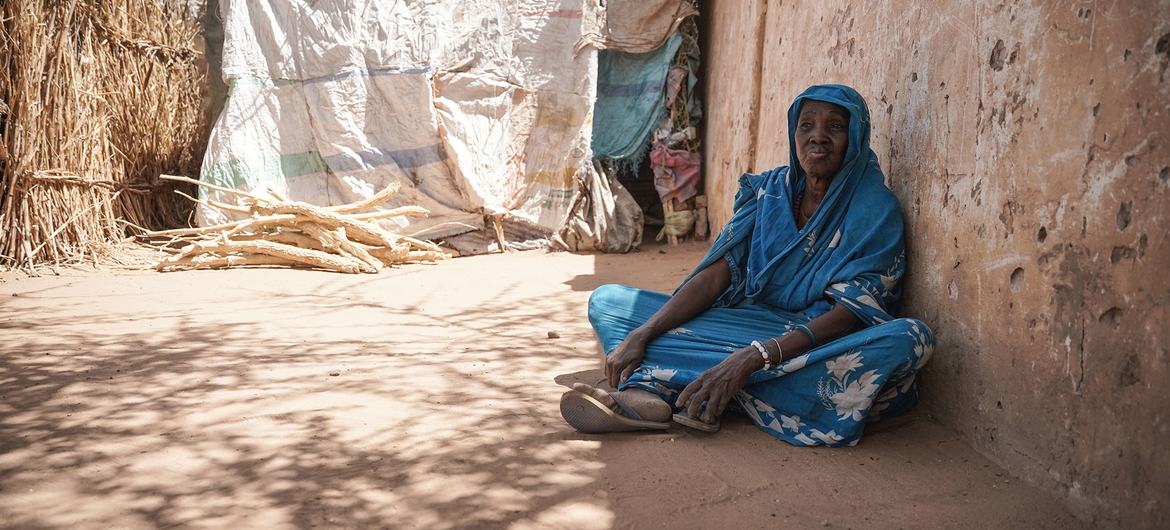
A woman who fled her home due to conflict rests at a centre for displaced people in El Fasher, Darfur. (file)
© UNICEF/Mohamed Zakaria
 
A woman who fled her home due to conflict rests at a centre for displaced people in El Fasher, Darfur. (file)


24 June 2024
Peace and Security

Heavy fighting in Sudan hit a new low over the weekend when a maternity hospital in besieged El Fasher city came under attack, killing a pharmacy worker and prompting new calls on Monday from the head of the UN health agency for the violence to stop.

The attack on the only maternity hospital in the town in Sudan’s western state of North Darfur is “shocking and appalling,” the head of the World Health Organization (WHO) said on Sunday, calling on warring parties to “protect mothers and children at all times and allow them safe access to healthcare” in the war-torn African country.

Tweet URL
DrTedros

WHO Director-General Tedros Adhanom Ghebreyesus noted that the Saudi Maternity Hospital was “the only one that has been providing maternal and child healthcare” in El Fasher.

The development comes after more than 14 months of fighting between rival militaries in Sudan.

Media reports pointed to “a Rapid Support Forces bombing” of the hospital in El Fasher, which is the capital of the Darfur region and home to hundreds of thousands of people displaced by the war.

Killed on the job

UN Resident and Humanitarian Coordinator for Sudan Clementine Nkweta-Salami released more details on the death of pharmacist Amna Ahmed Bakhit: “Killed on the job, prescribing and administering medicine to women, men and children in a place that should have been safe,” the top UN official in the country said in a post on X.

“From bullets or bombs, starvation or disease, each soul lost to this senseless war takes Sudan another inexorable step away from what we all want. Peace,” Ms. Nkweta-Salami added, calling for an end to the brutal fighting.

“Mothers and babies must be protected at all times and allowed safe access to healthcare. Healthcare workers must be able to work in safety”, WHO’s Tedros emphasized adding that despite the attack, the hospital continues to function thanks to the dedication of its staff working in dire conditions. 

Since 10 May, the city of El Fasher has been the scene of intense fighting between the former allies who went to war with each other 14 months ago.

Calls from the UN and the international community have grown in recent weeks to prevent Sudan from falling into a humanitarian catastrophe that could push millions into starvation, due to food shortages caused by fighting that has spread to 12 of the country’s 18 states.

WFP steps up aid

People in parts of Khartoum, Darfur and Kordofan states continue to be deprived of food and health assistance, and child malnutrition in Sudan is reaching emergency levels according to UN Children’s Fund (UNICEF).

Around nine million children are facing acute food insecurity.

The World Food Programme’s (WFP) food security analysis has identified 44 hunger hotspots in Sudan – mainly in areas of active fighting such as Khartoum, Kordofan, Darfur and Gezira – where 2.6 million people are at high risk of falling into the extreme phase five of the Integrated Food Security Phase Classification (IPC 5). 

Against this backdrop, the UN emergency food assistance agency is scaling up its operations to stave off famine. WFP is prioritising these areas and has provided food assistance to 22 of the hunger hotspots since January.

The UN agency says it has reached more than three million people and plans to reach an additional five million through general food assistance, nutrition, school meals and resilience activities throughout the year.


https://news.un.org/en/story/2024/06/1151371


https://creativecommons.org/licenses/by/4.0/legalcode

четверг, 20 июня 2024 г.

UN chief warns of ‘cyber mercenaries’ amid spike in weaponising digital tools


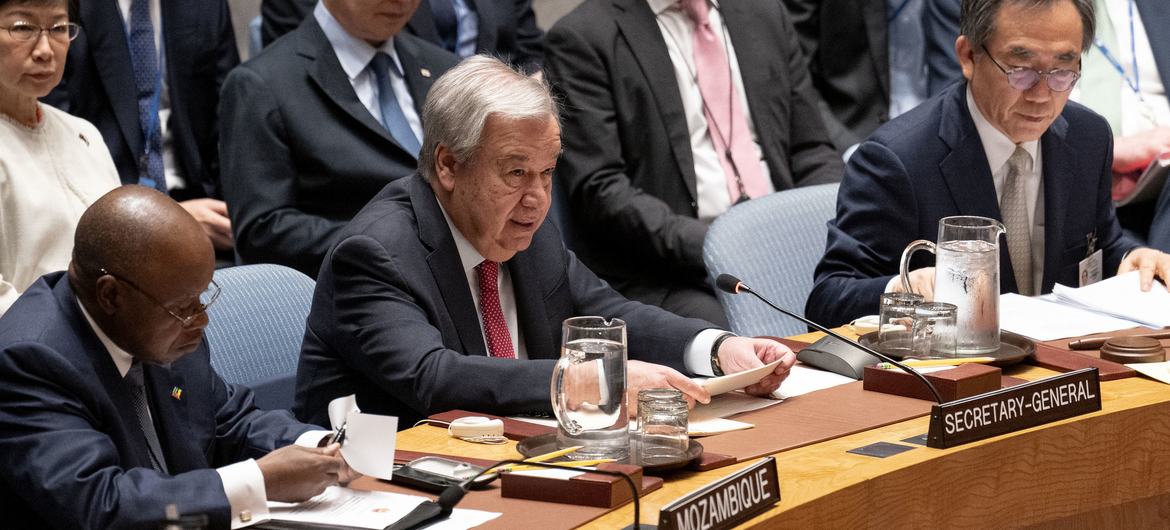
UN Secretary-General António Guterres addresses the Security Council on evolving threats in cyberspace.
UN Photo/Manuel Elías
 
UN Secretary-General António Guterres addresses the Security Council on evolving threats in cyberspace.

20 June 2024

Peace and Security

UN Secretary-General António Guterres on Thursday highlighted the dual-edged nature of cyberspace, stressing its potential for both immense benefits and significant risks when misused.

At a Security Council high-level debate on evolving threats in cyberspace, convened by the Republic of Korea, Council President for June, Mr. Guterres underscored the transformative power of digital technologies.

“Breakthroughs in digital technologies are happening at warp speed; digital advances are revolutionising economies and societies,” he said. “They are bringing people together, providing citizens with access to government services and institutions and supercharging economies, trade and financial inclusion.”

However, he cautioned that the seamless and instant connectivity that fuels these benefits also makes people, institutions and countries vulnerable.

“The perils of weaponising digital technologies are growing by the year,” he warned. “Malicious activity in cyberspace is on the rise by both State and non-State actors and by outright criminals.”

Secretary-General Guterres addressing the Security Council.

Cyber mercenaries, hacktivists

The UN chief warned that malicious cyber activities are on the rise, with serious cybersecurity incidents becoming “disturbingly common”.

Essential public services such as healthcare, banking and telecommunications are frequently breached, and criminal organizations and “cyber mercenaries” engage in relentless illicit activities.

Additionally, a “legion of hate merchants” is spreading fear and division online.

“So called civilian ‘hacktivists’ are entering the fray, and in many cases are blurring the line between combatants and civilians,” he said.

New vulnerabilities

The integration of digital tools with weapon systems, including autonomous systems, presents new vulnerabilities, Mr. Guterres said.

The misuse of digital technology is becoming more sophisticated and stealthier, with proliferation of malware software. The threat is further amplified by artificial intelligence (AI)-enabled cyber operations.

“Ransomware is one grievous example,” the UN chief underscored, “a huge threat to public and private institutions and the critical infrastructure people depend on.”

In 2023, total ransomware payments reached $1.1 billion.

Beyond financial costs, malicious cyber activities undermine public institutions, electoral processes and online integrity, eroding trust, fuelling tensions and sowing the seeds of violence and conflict, he added.

Incredible opportunity

Despite the threats, Mr. Guterres emphasised the “incredible opportunity” digital technology offers to create a more just, equal, sustainable and peaceful future.

He called for breakthroughs to be oriented toward the common good, highlighting his proposed New Agenda for Peace that places prevention at the core of all peace efforts.

“It calls for developing strong frameworks in line with international law, human rights and the UN Charter and focused efforts by all States to prevent the extension and escalation of conflicts within and through cyberspace,” he said.

“As reflected in the New Vision for the Rule of Law, the rule of law must exist in the digital sphere as it does in the physical world.”

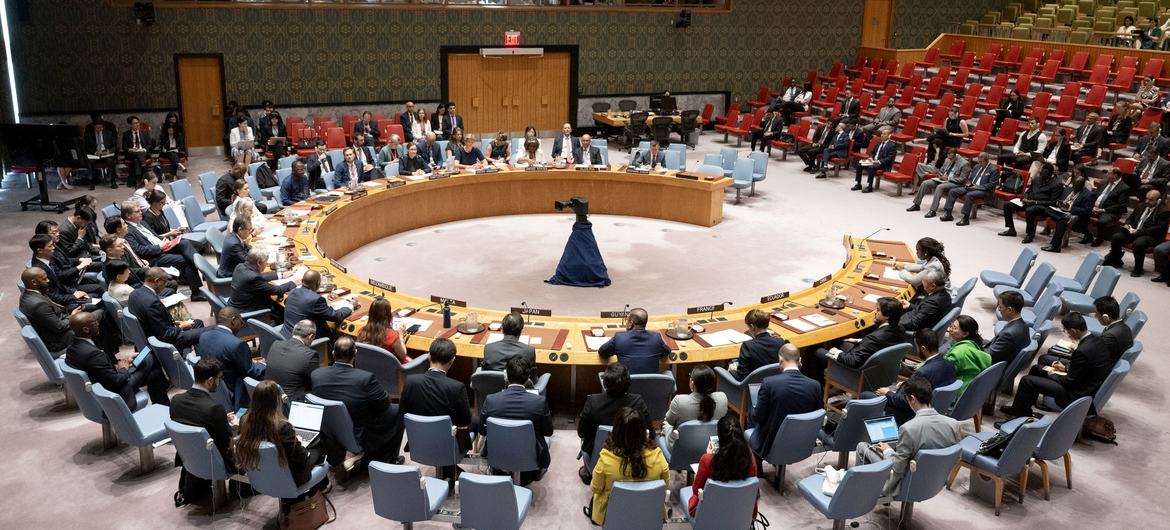
The UN Security Council meets to discuss the evolving threats in cyberspace.
UN Photo/Manuel Elías
 
The UN Security Council meets to discuss the evolving threats in cyberspace.

Call for better integration

Secretary-General Guterres welcomed the General Assembly’s commitment to action, including its dedicated working group on information and communication technologies (ICT) security.

He also urged the Security Council to integrate cyber-related considerations into its workstreams and resolutions, underscoring that many issues it addresses, such as the protection of civilians, peace operations, counterterrorism and humanitarian operations, are affected by cyberspace.

“Integrating this issue into your deliberations would be a useful way to lay the groundwork for more effective responses to this important question,” he said.

Summit of the Future

In conclusion, Mr. Guterres stressed the importance of the upcoming Summit of the Future, in September.

“The pact that will emerge from the summit represents a pivotal chance to support the maintenance of international peace and security in cyberspace,” he said.

Among other actions, it aims to safeguard critical infrastructure against harmful ICT practices and create enhanced accountability for data-driven technology, including AI.

“I look forward to working with this Council, the General Assembly and all Member States to ensure that technology is focused where it belongs: on the progress and security of all people and the planet we share,” the Secretary-General concluded.


https://news.un.org/en/story/2024/06/1151266

https://creativecommons.org/licenses/by/4.0/legalcode

среда, 22 мая 2024 г.

Haiti’s health system pushed to breaking point: UNICEF


Haiti’s health system pushed to breaking point: UNICEF

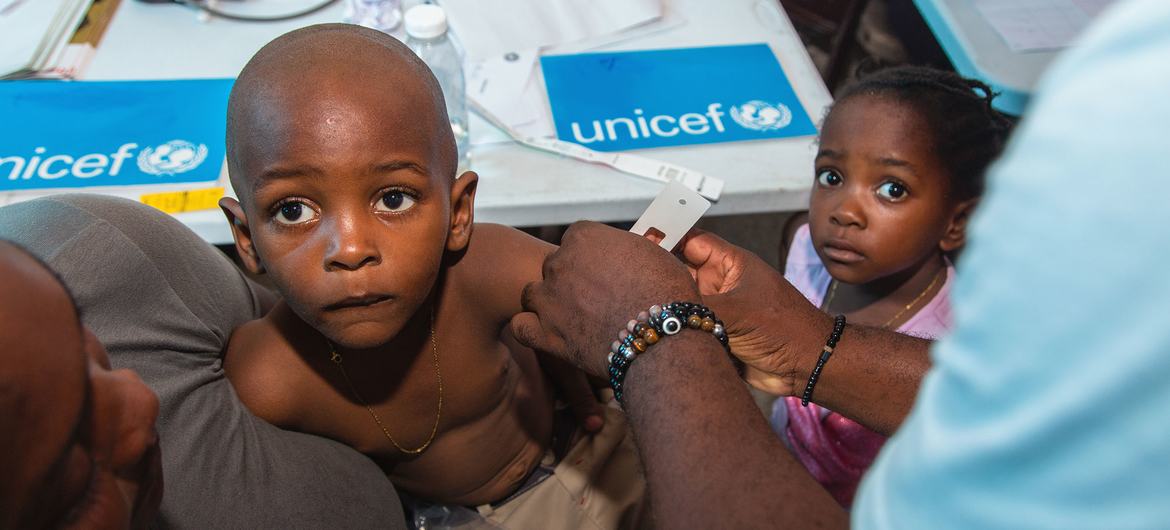
A child is treated for malnutrition at a mobile health clinic in Port-au-Prince, Haiti.
© UNICEF/Georges Harry Rouzier
 
A child is treated for malnutrition at a mobile health clinic in Port-au-Prince, Haiti.


22 May 2024
Peace and Security

Haiti’s health system is now “on the verge of collapse” UN Children’s Fund (UNICEF) Representative in Haiti Bruno Maes warned on Wednesday, amidst an alarming decrease in the number of hospitals still functioning in the violence-wracked Caribbean nation.

There are only six out of ten hospitals which still have some operational capacity as the gang-led chaos continues across the capital, Port-au-Prince, leaving vulnerable children deprived of essential care.

Mr. Maes said that the increased violence along with “mass displacement, dangerous epidemics and increasing malnutrition” has stretched the country’s health system to the limit and the “strangling of supply chains” may fully break it.

“The escalating violence in Port au Prince and Artibonite is plunging Haiti into a humanitarian disaster. Not only are children trapped, but so are the critical supplies that are meant to cure and nourish them,” Mr. Maes told UN News. 

Strained resources

Warehouses, pharmacies and containers filled with essential supplies have either been held up or looted, according to UNICEF. 

Yet, hundreds of containers holding humanitarian aid including neonatal, maternal, and medical necessities, remain stranded in Port-au-Prince.

The country’s capital usually receives and releases all imported health supplies, but with rampant violence and over 160,000 displaced civilians, Port-au-Prince can no longer care for a population that is “concurrently fighting physical trauma and the risk of disease.”

UNICEF says many of the displaced families, especially those in the southern parts of the country, are seeking safety and security, piling pressure on local health services. The agency reported that about 40 per cent of staff have had to leave the country because of high levels of insecurity. 

Widespread disease outbreaks

Haiti has reported 82,000 cases of cholera between October 2022 and April 2024, UNICEF said. 

Nearly 4.4 million people in Haiti desperately need food assistance, and 1.6 million civilians are dealing with acute food insecurity increasing the risk of child wasting and malnutrition. 

This situation is likely to be worsened by the coming rainy season which may cause a rise in waterborne diseases and diseases spread by mosquitoes, such as malaria. 

UNICEF and other humanitarian partners are establishing alternatives to Port-au-Prince’s import and dispatch hubs. 

These alternative routes have allowed the agency along with the Ministry of Health and international donors and partners, to deliver vaccines, medicine and medical supplies to children with the greatest needs.

On 18, 20 and 21 May, UNICEF delivered 38 tons of essential medical and lifesaving supplies, including health and cholera kits, through a new operational hub established by the UN and the children’s find.

Mr. Maes told UN News these supplies will be dispatched to health facilities “that are only barely keeping their heads above water.”

UNICEF says more aid is desperately needed. 

“We cannot allow vital supplies that could save children’s lives to remain blocked in warehouses and containers. They must be delivered now,” said Mr. Maes.

He told UN News that UNICEF is also “sourcing vital, ready-to-use therapeutic food right here in Haiti.”

He said that these supplies will go to 600 health facilities across Haiti as well as several other mobile clinics in areas with limited access.

“When supply reach children, children have a chance to a healthy life…children can go to school. They can play, they can just be children,” Mr. Maes said. 


https://news.un.org/en/story/2024/05/1150086

https://creativecommons.org/licenses/by/3.0/legalcode

среда, 21 февраля 2024 г.

Gaza has become a ‘death zone’, warns UN health chief


Gaza has become a ‘death zone’, warns UN health chief

WHO led two crucial missions to transfer 32 critical patients from Nasser hospital, in southern Gaza on 18 and 19 February.
© WHO/Christopher Black
 
WHO led two crucial missions to transfer 32 critical patients from Nasser hospital, in southern Gaza on 18 and 19 February.


21 February 2024
Peace and Security

An “inhumane” health and humanitarian situation now prevails across Gaza with conditions continuing to deteriorate, the head of the UN World Health Organization warned on Wednesday.

“Gaza has become a death zone,” Tedros Adhanom Ghebreyesus, WHO Director-General told correspondents at a press briefing in Geneva.

“Much of the territory has been destroyed. More than 29,000 people are dead; many more are missing, presumed dead; and many, many more are injured,” he added.

Across the war-ravaged Gaza Strip, severe malnutrition has shot up dramatically since the start of the war on 7 October, from under one per cent of the population, to over 15 per cent in some areas.

“This figure will rise the longer the war goes on and supplies [are] interrupted,” Tedros said, expressing deep concern that agencies such as the World Food Programme (WFP) are unable to access the north.

WFP suspended its aid deliveries there due to lack of security for both humanitarian personnel and those seeking assistance.

‘What world do we live in’

“What type of world do we live when people cannot get food and water, and when people who cannot even walk are unable to receive care?”, he lamented.

“What type of world do we live in when health workers are at risk of being bombed as they carry out their life saving work [and] hospitals must close because there is no more power or medicines to help save patients?”

Tweet URL
UN_News_Centre

He underscored the need for an immediate ceasefire, for hostages to be released, the guns to fall silent, and unfettered humanitarian access.

“Humanity must prevail,” Tedros said.

Hospital evacuations

Over the past three days the UN health agency and partners carried out several emergency missions to the Nasser medical complex in Khan Younis, southern Gaza, to evacuate critically ill patients, including children.

“With the intensive care units no longer working, WHO helped move patients, many of whom cannot even walk,” Tedros said.

Around 130 sick and injured patients and at least 15 doctors and nurses remain in the hospital, amidst ongoing Israeli military operations, no electricity and running water and dwindling lifesaving medical supplies.


https://news.un.org/en/story/2024/02/1146792


https://creativecommons.org/licenses/by/3.0/legalcode

суббота, 17 февраля 2024 г.

Lifesaving medical care collapsing under assault in Gaza: WHO


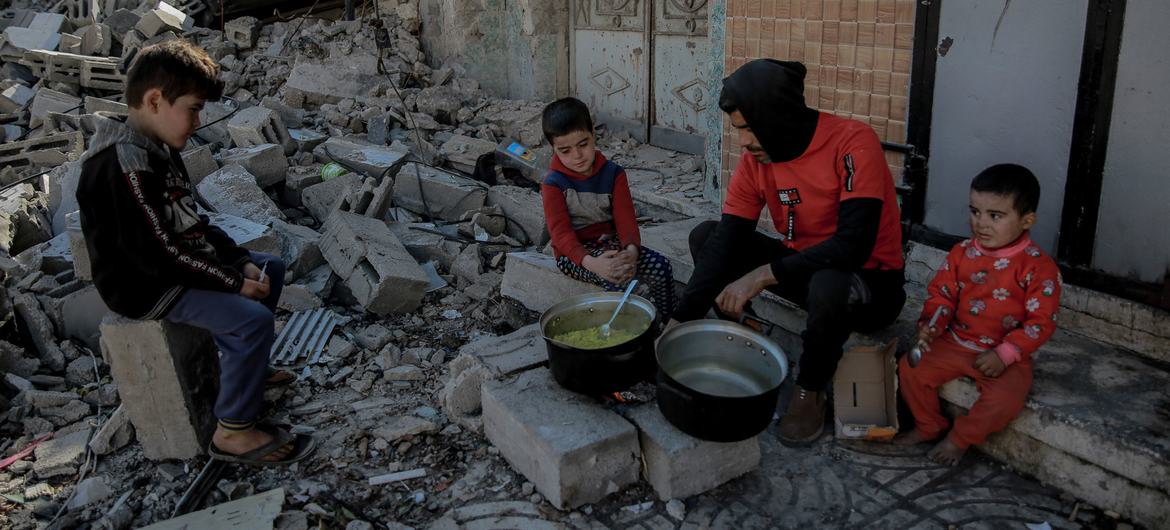
A man cooks food for his children over a wood fire in front of his destroyed home in an area west of Gaza City.
© UNICEF/Omar Al-Qattaa
 
A man cooks food for his children over a wood fire in front of his destroyed home in an area west of Gaza City.


16 February 2024
Peace and Security

The largest remaining hospital in southern Gaza is “barely functional”, the UN World Health Organization (WHO) warned on Friday amid reports of intense attacks by Israeli forces.

There have been reports of damage to Nasser Hospital’s orthopedic unit, reducing its ability to provide urgent medical care, WHO spokesperson Tarik Jašarević told correspondents at a press briefing in Geneva.

“More degradation to the hospital means more lives being lost,” he said.

According to the UN agency, of the 36 hospitals in the war-ravaged enclave, only 11 are functioning. There are also reports that several patients have died during the Israeli operation.

The Israeli military has alleged that Hamas was holding hostages or withholding the bodies of Israelis within the Nasser compound, situated in Khan Younis.

Places of healing, not burial

Tweet URL
UN_News_Centre

The hospital has been providing lifesaving services to the most critically ill and has been a refuge to countless civilians displaced from elsewhere in the Gaza Strip.

Mr. Jašarević added that WHO was trying to gain urgent access to the complex.

“We really need to get there to bring fuel so [the] hospital can continue to function and those patients who are still there can continue to receive medical care,” he said, also stressing the need to assess the conditions of patients and for their safe referral to other facilities.

“We have been saying all this time…that patients, health workers and civilians who are seeking refuge in hospitals deserve safety and not a burial in those places of healing,” he added.

Intense bombardment continues

Meanwhile, intense Israeli bombardment from air, land and sea continues to be reported across much of the Gaza Strip, resulting in further civilian casualties, displacement and infrastructure damage, the UN Office for the Coordination of Humanitarian Affairs (OCHA) said.

“Widespread ground operations and heavy fighting between Israeli forces and Palestinian armed groups also continue to be reported, especially in the centre of Khan Younis and east of Deir Al-Balah,” OCHA noted in a flash update issued on Friday.

Between the afternoon of 15 February and 11am on 16 February (local times), according to the Ministry of Health in Gaza, 112 Palestinians were killed, and 157 Palestinians were injured, and since 7 October, at least 28,775 Palestinians were killed in Gaza and a further 68,552 reported injured.

Tiny sliver of land

OCHA also relayed reports that intensified airstrikes on Rafah and statements by Israeli officials of a ground operation have led to the movement of people sheltering there towards the town of Deir Al-Balah in central Gaza.

Over half of Gaza’s population are crammed into Rafah, which is located at the southern end of the Strip, in an area that represents just one fifth of the entire enclave.

‘Humanity must prevail’

The situation is particularly dire for pregnant women, new mothers and newborns.

The UN Population Fund (UNFPA) warned that the Al-Helal Al-Emirati Maternity Hospital in Rafah is “overwhelmed and struggling” to provide adequate care.

If the bombs don't kill pregnant women, if disease, hunger and dehydration don't catch up with them, simply giving birth could
– UNFPA

“Put simply, if the bombs don't kill pregnant women, if disease, hunger and dehydration don't catch up with them, simply giving birth could,” the UN agency, which works for safe motherhood, said.

Further attacks, UNFPA warned, would mark another devastating turn in the war, and thousands more could die in the violence or through lack of access to food, water and critical lifesaving services. 

Humanity must prevail, it added, reiterating the call for an immediate humanitarian ceasefire in Gaza and the safe and immediate release of all hostages.

‘Clock is ticking fast’

The UN independent committee monitoring the implementation of the Convention on the Elimination of All Forms of Discrimination against Women echoed that call.

It urged Israel to allow the provision of medicines and medical personnel and humanitarian assistance, including the special needs of women and girls such as sexual and reproductive health services, and sanitary and hygiene products.

“The clock is ticking fast towards famine and an outbreak of epidemics. The lives and health, physical and mental, of the women and girls of Gaza are severely compromised,” said the committee, which is composed of experts independent of any government and the United Nations. 


https://news.un.org/en/story/2024/02/1146632


https://creativecommons.org/licenses/by/3.0/legalcode

четверг, 5 октября 2023 г.

Gaza: Forcing patients to flee hospitals a 'death sentence' warns WHO


Neighbourhoods in Gaza have been razed by airstrikes.
© UNICEF/Mohammad Ajjour
 
Neighbourhoods in Gaza have been razed by airstrikes.
14 October 2023
Peace and Security

The UN Palestine refugee agency (UNRWA) issued an urgent call on Saturday for Israeli Authorities to protect all civilians sheltering in Gaza.

The statement came as the Israeli-imposed deadline for some 1.1 million civilians to leave the northern part of the enclave, ahead of what is expected to be a major advance into Gaza by Israeli ground forces, expired.

Tweet URL

“UNRWA shelters in Gaza and northern Gaza are no longer safe. This is unprecedented,” said the statement. 

The agency reminded that according to the rules of warfare, civilians, hospitals, schools, clinics and United Nations premises cannot be a target.

“UNRWA is sparing no efforts to advocate with parties to the conflicts to meet their obligations under international law to protect civilians, including those seeking refuge in UNRWA shelters,” the agency emphasized.  

UNRWA pointed out that many of the vulnerable, particularly pregnant women, children, the elderly and persons with disabilities simply will be unable to flee south.

“They have no choice and must be protected at all times.”

Taps run dry

UNRWA chief Philippe Lazzarini said that with water supplies running dry due to Israel cutting off all utilities to Gaza, "it has become a matter of life and death".

"It is a must. Fuel needs to be delivered now into Gaza to make water available for two million people", he said.

More than 1,300 people were killed in Israel after Hamas fighters raided settlements close to Gaza last Saturday. In response, more than 2,200 have been killed during Israel’s aerial offensive on Gaza, according to Palestinian authorities.

On Friday, UN Secretary-General António Guterres said it would be “impossible” for civilians in Gaza to comply with the evacuation order without devastating humanitarian consequences.

The UN chief called on the world to unite in support of the fundamental principle of protecting civilians, and “finding a lasting solution to this unending cycle of death and destruction.”

‘Agonising choice’ for hospital workers amid Israeli order to evacuate

The World Health Organization (WHO) on Saturday strongly condemned Israel’s repeated order for 22 hospitals in northern Gaza to be evacuated, describing it as a “death sentence” for the sick and injured.

With around 2,000 desperately ill patients inside their wards, WHO said the forced evacuation of both patients and health workers “will further worsen the current humanitarian and public health catastrophe.”

The statement said the lives of those in intensive care or who rely on life support – including newborns in incubators and those needing hemodialysis – now hang in the balance.

“Health facilities in northern Gaza continue to receive an influx of injured patients and are struggling to operate beyond maximum capacity. Some patients are being treated in corridors and outdoors in surrounding streets due to a lack of hospital beds”, said WHO.

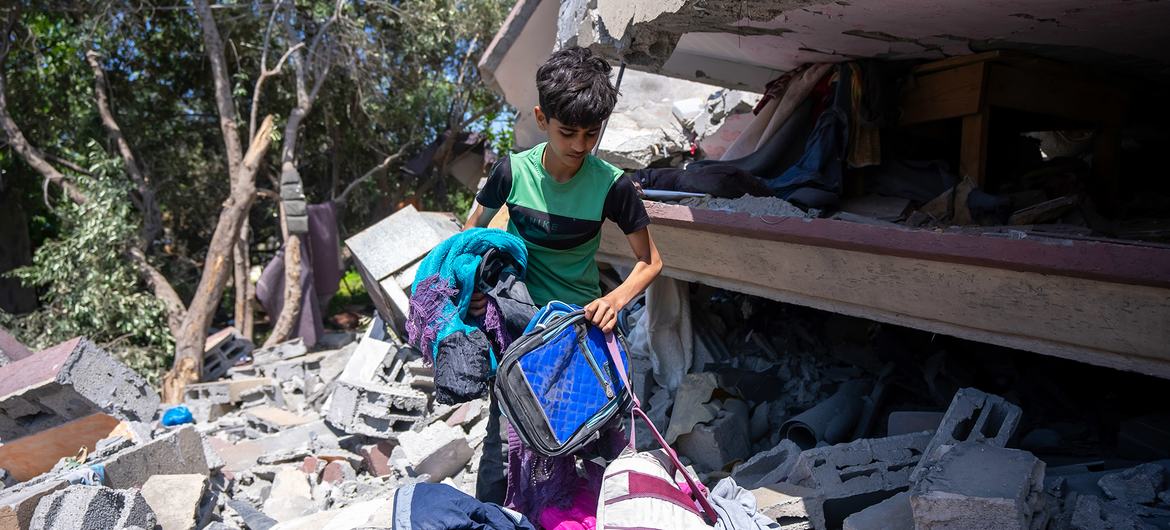
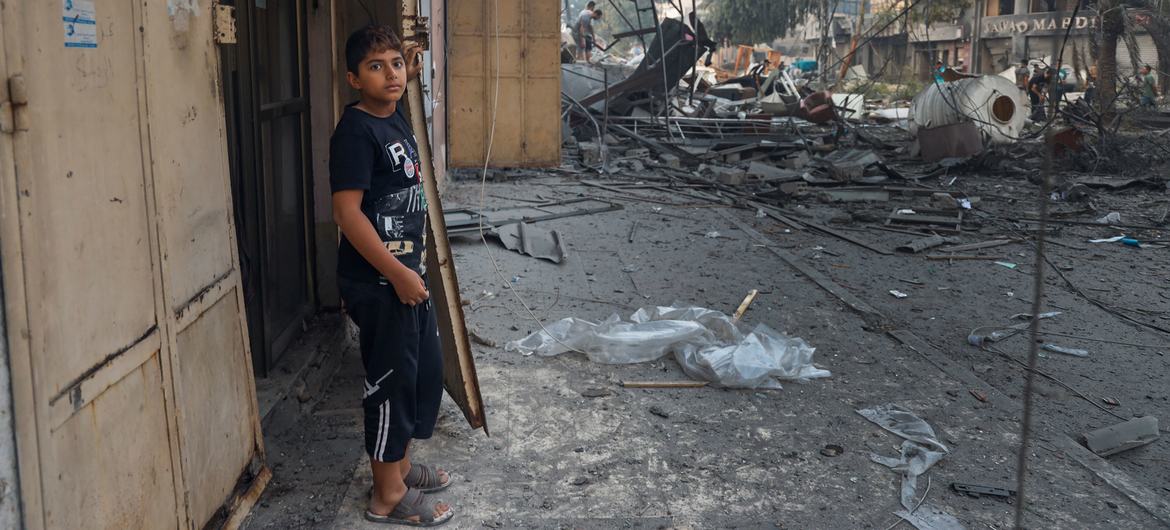
A boy picks through his belongings in the remains of his destroyed home in Gaza.
WHO
 
A boy picks through his belongings in the remains of his destroyed home in Gaza.

'Tantamount to a death sentence'

“Forcing more than 2000 patients to relocate to southern Gaza, where health facilities are already running at maximum capacity and unable to absorb a dramatic rise in the number patients, could be tantamount to a death sentence.”

Those running the hospitals now face an agonizing choice, the agency said: either abandon the critically ill, put their own lives at risk by staying amid the bombing, or endanger patients’ lives “while remaining on site to treat patients, or endanger their patients’ lives “while attempting to transport them to facilities that have no capacity to receive them.”

The agency said that overwhelmingly, staff have chosen to stay behind rather than risk lives by moving those who are critically ill.

WHO airlifts vital health supplies

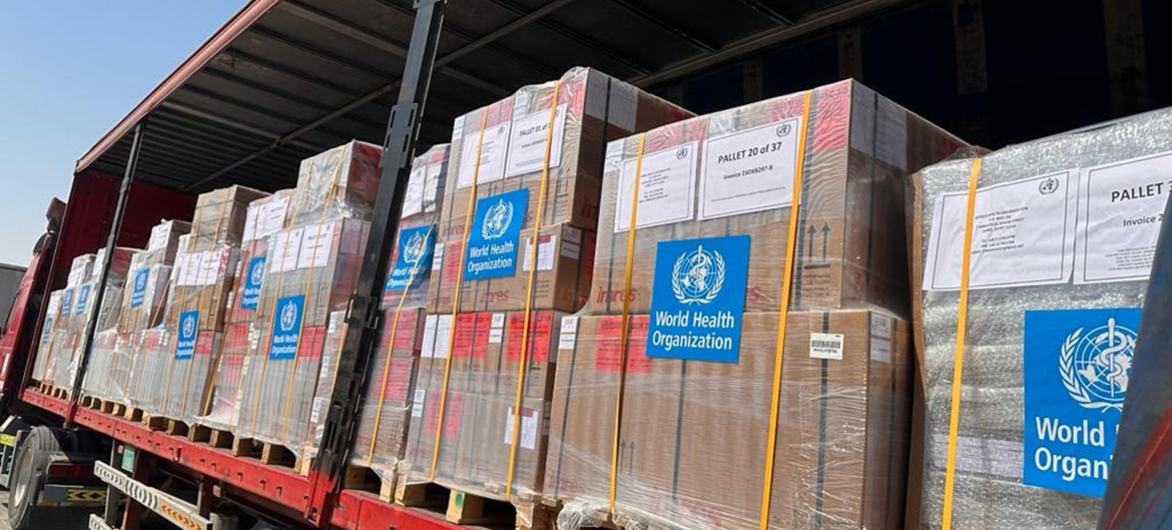
A plane carrying life-saving health supplies from the WHO logistics hub in Dubai landed in Egypt on Saturday to aid civilians in Gaza – as soon as access across the border into the enclave can be established.

Health supplies for Gaza are dispatched from the WHO logistics hub in Dubai.
WHO
 
Health supplies for Gaza are dispatched from the WHO logistics hub in Dubai.

The shipment includes trauma medicines, healthcare essentials, and equipment sufficient to treat around 1,200 who have suffered injuries during the bombing raids and around 1,500 chronically ill patients.

The cargo also includes basic health supplies to meet the needs of 300,000 others, including pregnant women.

With hospitals in Gaza either completely out of action, or simply overwhelmed, the supplies will help save the lives of the wounded wherever they can find shelter, WHO said. 

Access essential

WHO said it was critical for the Rafah crossing on the Egyptian border to be reopened. “While the Egyptian side of the crossing is accessible, the Israeli side remains closed”, said the statement. 

“Every hour these supplies remain on the Egyptian side of the border, more girls and boys, women, and men, especially those vulnerable or disabled, will die while supplies that can save them are less than 20 kilometres (12 miles) away.”

WHO said it would be working with the Egyptian and Palestinian Red Crescent Societies to ship the supplies across the border into Gaza, as soon as practicable. 

WHO Director-General Tedros Adhanom Ghebreyesus met Egyptian President Abdel Fattah El-Sisi on Monday who endorsed the request to facilitate medical aid across the border into Gaza.

Soundcloud

‘I fear the worst is yet to come’: UN relief chief

Following a week of “utter anguish and devastation” for civilians in both Israel and the Occupied Palestinian Territory, the UN relief chief on Saturday said he fears “the worst is yet to come.”

“In Israel, families are reeling from the horror of last Saturday’s attack”, said Humanitarian Affairs chief Martin Griffiths. “More than a thousand people have been killed and many more have been injured. Over 100 people are held captive.

“In Gaza, families have been bombed while inching their way south along congested, damaged roads, following an evacuation order that left hundreds of thousands of people scrambling for safety but with nowhere to go.” 

The past week has been a test for humanity, and humanity is failing - Martin Griffiths

He warned that the humanitarian situation in the Gaza Strip, “already critical, is fast becoming untenable.”

The OCHA chief warned that violence is on the rise in the occupied West Bank, with a surge in civilian deaths and injuries leaving families “facing ever greater movement restrictions.”

“And in Lebanon, the risk of the conflict spilling into the country is a major concern.”

He called for all civilians and civilian infrastructure, including humanitarian workers, to be protected by all combatants.

Mr. Griffiths echoed the UN chief’s appeal saying all countries with influence must exert it to ensure respect for the rules of war and to avoid any further escalation and spillover.

“The past week has been a test for humanity, and humanity is failing.”

Soundcloud

UN independent expert warns of ‘mass ethnic cleansing’

An independent UN-appointed human rights expert warned on Saturday that Gaza’s civilian population was now in grave danger of “mass ethnic cleansing” on the international community to urgently mediate a ceasefire.

Tweet URL

“The situation in the occupied Palestinian territory and Israel has reached fever pitch,” said Francesca Albanese, UN Special Rapporteur on the situation of human rights in the Palestinian Territory occupied since 1967. 

She called on the UN and Member States to intensify efforts to mediate an immediate ceasefire between the parties, before “a point of no return” is reached. 

The UN Human Rights Council-appointed expert reminded the international community of its responsibility to prevent and protect populations from atrocity crimes.

‘Both deserve to live in peace’

“Time is of the essence. Palestinians and Israelis both deserve to live in peace, equality of rights, dignity and freedom,” Ms. Albanese said. “Any continued military operations by Israel have gone well beyond the limits of international law. The international community must stop these egregious violations of international law now, before tragic history is repeated.”

Special Rapporteurs and other independent experts work on a voluntary basis, they are not UN staff and do not receive a salary for their work.

Lebanon frontier: Peacekeepers warn of further 'tragedies' following journalist’s death 

The UN peacekeeping force in Lebanon on Saturday extended its heartfelt condolences to the family of a Reuter’s news agency video journalist who was killed in the south of the country, covering the exchange of fire between Israeli forces and Hezbollah militia.

In a statement, UNIFIL, the UN Interim Force in Lebanon, confirmed there had been firing across the Blue Line, the unofficial frontier between the two countries, with Israeli forces striking a position on Friday close to the village of Alma As Shab.

According to Reuters, Issam Al Abdullah, a Lebanese videographer, was killed during the exchange of fire and six other journalists were injured.

UNIFIL wished the injured media workers a swift recovery and stressed that it could not say exactly how the group had been hit.

An 11-year-old boy stands at the entrance to his home in Gaza City.
© UNICEF/Mohammad Ajjour
 
An 11-year-old boy stands at the entrance to his home in Gaza City.

Stop the escalation

“If the situation continues to escalate, we will most likely see more such tragedies. Any civilian loss of life is a tragedy and should be prevented at all times.

“This is why we urge everyone to cease fire and allow us, as peacekeepers, to help find solutions”, the statement added. “No one wants to see more people hurt or killed.”

According to news reports, Israeli authorities have pledged to investigate the incident.


https://news.un.org/en/story/2023/10/1142347
https://creativecommons.org/licenses/by/3.0/legalcode

среда, 31 мая 2023 г.

UN chief strongly condemns DPRK spy satellite launch

 
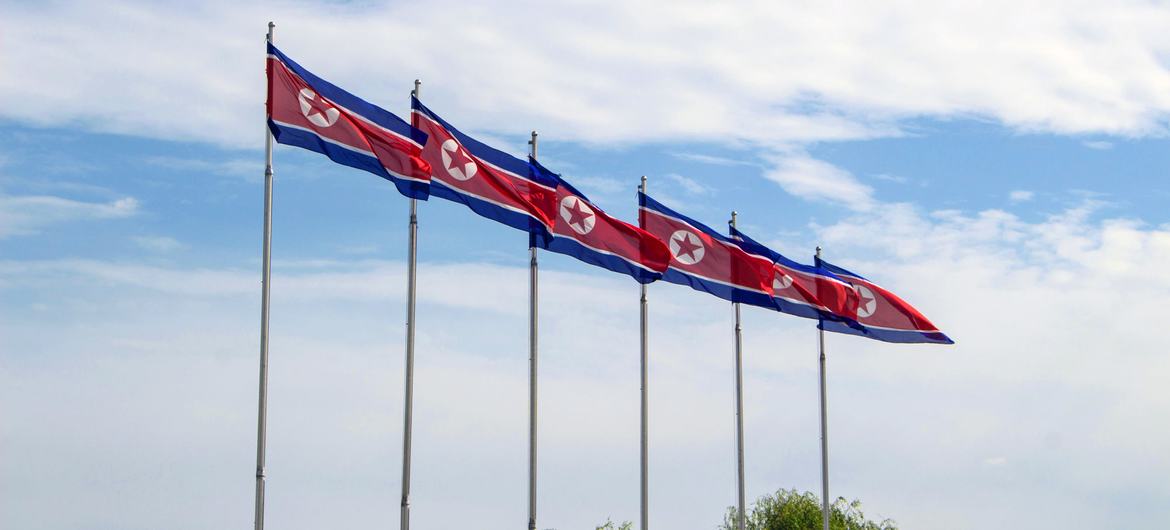
Flags of the Democratic People's Republic of Korea fly in Pyongyang.
Unsplash/Micha Brändli
 
Flags of the Democratic People's Republic of Korea fly in Pyongyang.
31 May 2023
Peace and Security

UN Secretary-General António Guterres has strongly condemned the latest satellite launch by the Democratic People’s Republic of Korea (DPRK), his spokesperson said in a statement on Wednesday. 

The country, commonly known as North Korea, attempted to fire off its first military reconnaissance satellite earlier that day but it crashed into the sea, according to media reports. 

The DPRK has reportedly pledged to conduct another launch after it learns what went wrong. 

The UN chief noted that any launch using ballistic missile technology is contrary to relevant Security Council resolutions. 

“The Secretary-General reiterates his call on the DPRK to cease such acts and to swiftly resume dialogue to achieve the goal of sustainable peace and the complete and verifiable denuclearization of the Korean Peninsula,” the statement said. 

Chaos and confusion 

The launch sparked confusion in neighbouring South Korea and in Japan. 

Authorities in South Korea’s capital, Seoul, sent text messages urging residents to move to safety but later said they were sent in error. 

The Japanese Government also issued a warning to people in Okinawa prefecture, located in the south of the country. 


 https://news.un.org/en/story/2023/05/1137192


https://creativecommons.org/licenses/by/3.0/legalcode

четверг, 25 мая 2023 г.

Trafficking in the Sahel: Killer cough syrup and fake medicine | UN News


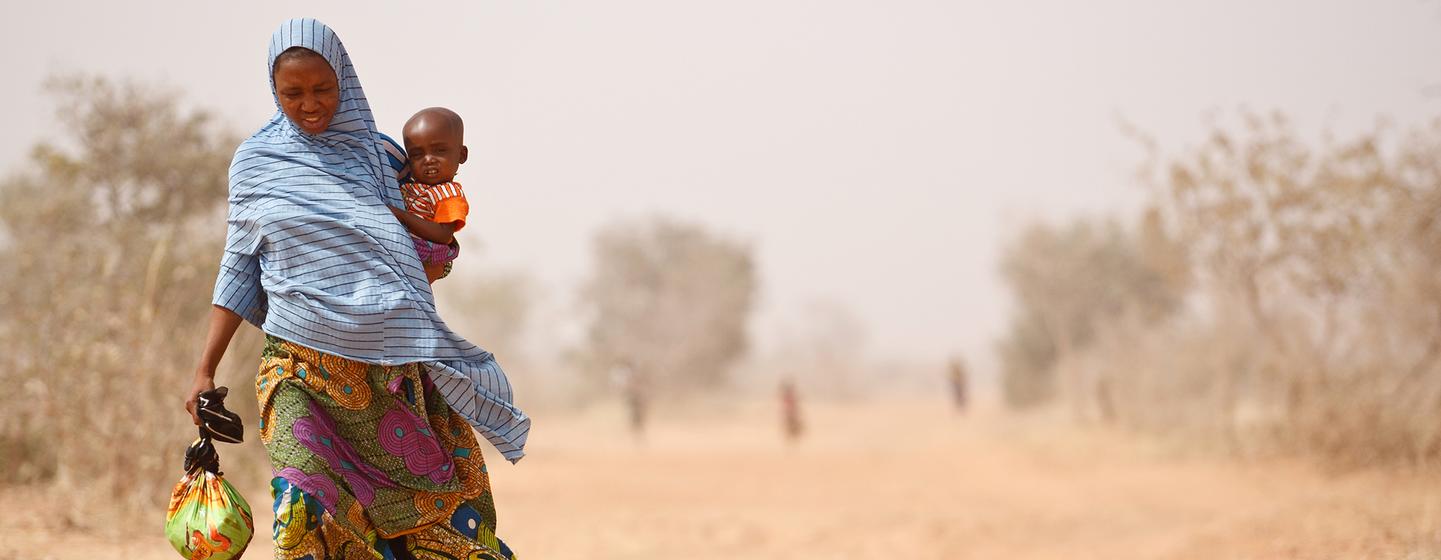
Millions of people in the Sahel region of Africa are facing food insecurity caused by consecutive failed rainy seasons, desertification, and a fragile security landscape.


© UNICEF/Olivier Asselin
 
Millions of people in the Sahel region of Africa are facing food insecurity caused by consecutive failed rainy seasons, desertification, and a fragile security landscape.
27 May 2023
Peace and Security

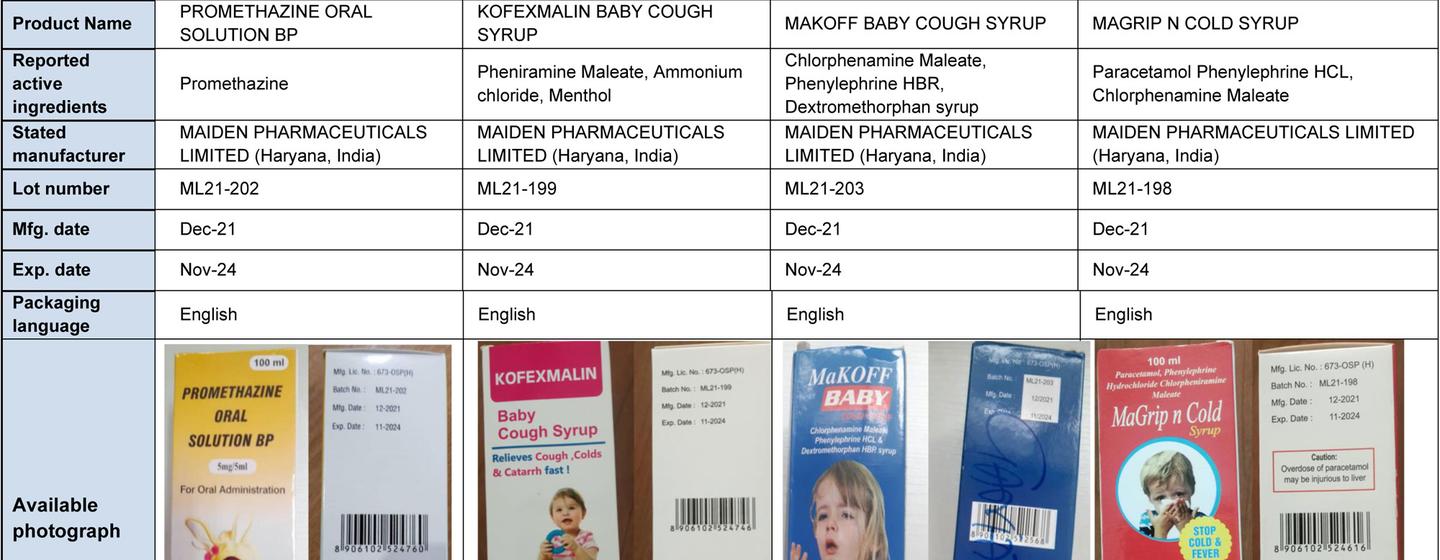
In the summer of 2022, 70 Gambian babies and young children died from kidney failure after ingesting cough syrup spooned out by their caregivers. The World Health Organization (WHO) issued a global alert that four tainted paediatric products had originated in India, as local health authorities continue to investigate how this tragedy unfolded.

This feature, which focuses on the illegal trade in substandard and fake medicines, is part of a UN News series exploring the fight against trafficking in the Sahel.

From ineffective hand sanitizer to fake antimalarial pills, an illicit trade that grew during the COVID-19 pandemic in 2020 is being meticulously dismantled by the UN and partner countries in Africa’s Sahel region.

Substandard or fake medicines, like contraband baby cough syrup, are killing almost half a million sub-Saharan Africans every year, according to a threat assessment report from the UN Office on Drugs and Crime (UNODC).

The report explains how nations in the Sahel, a 6,000-kilometre-wide swath stretching from the Red Sea to the Atlantic, which is home to 300 million people, are joining forces to stop fake medicines at their borders and hold the perpetrators accountable.

This fight is taking place as Sahelians face unprecedented strife: more than 2.9 million people have been displaced by conflict and violence, with armed groups launching attacks that have already shuttered 11,000 schools and 7,000 health centres.

Deadly supply meets desperate demand

Health care is scarce in the region, which has among the world’s highest incidence of malaria and where infectious diseases are one of the leading causes of death.

“This disparity between the supply of and demand for medical care is at least partly filled by medicines supplied from the illegal market to treat self-diagnosed diseases or symptoms,” the report says, explaining that street markets and unauthorized sellers, especially in rural or conflict-affected areas, are sometimes the only sources of medicines and pharmaceutical products.

Fake treatments with fatal results

The study shows that the cost of the illegal medicine trade is high, in terms of health care and human lives.

Fake or substandard antimalarial medicines kill as many as 267,000 sub-Saharan Africans every year. Nearly 170,000 sub-Saharan African children die every year from unauthorized antibiotics used to treat severe pneumonia.

Caring for people who have used falsified or substandard medical products for malaria treatment in sub-Saharan Africa costs up to $44.7 million every year, according to World Health Organization (WHO) estimates.

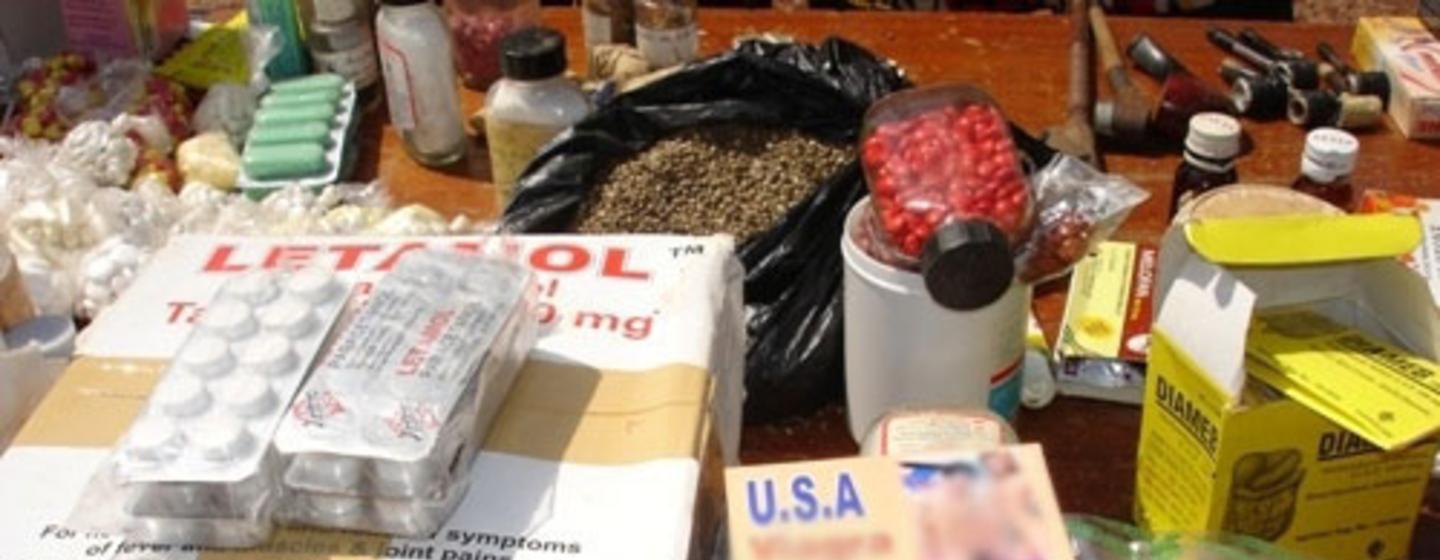
Counterfeit drugs at a market in Ouagadougou, Burkina Faso.
IRIN/Brahima Ouedraogo
 
Counterfeit drugs at a market in Ouagadougou, Burkina Faso.

Motley trafficking

Corruption is one of the main reasons that the trade is allowed to flourish.

About 40 per cent of substandard and falsified medical products reported in Sahelian countries between 2013 and 2021 land in the regulated supply chain, the report showed. Products diverted from the legal supply chain typically come from such exporting nations as Belgium, China, France, and India. Some end up on pharmacy shelves.

The perpetrators are employees of pharmaceutical companies, public officials, law enforcement officers, health agency workers and street vendors, all motivated by potential financial gain, the report found.

Traffickers are finding ever more sophisticated routes, from working with pharmacists to taking their crimes online, according to a UNODC research brief on the issue.

While terrorist groups and non-State armed groups are commonly associated with trafficking in medical products in the Sahel, this mainly revolves around consuming medicines or levying “taxes” on shipments in areas under their control.

Snip supply, meet demand

Efforts are under way to adopt a regional approach to the problem, involving every nation in the region. For example, all Sahel countries except Mauritania have ratified a treaty to establish an African medicines agency, and the African Medicines Regulatory Harmonization initiative, launched by the African Union in 2009, aims at improving access to safe, affordable medicine.

All the Sahel countries have legal provisions in place relating to trafficking in medical products, but some laws are outdated, UNODC findings showed. The agency recommended, among other things, revised legislation alongside enhanced coordination among stakeholders.

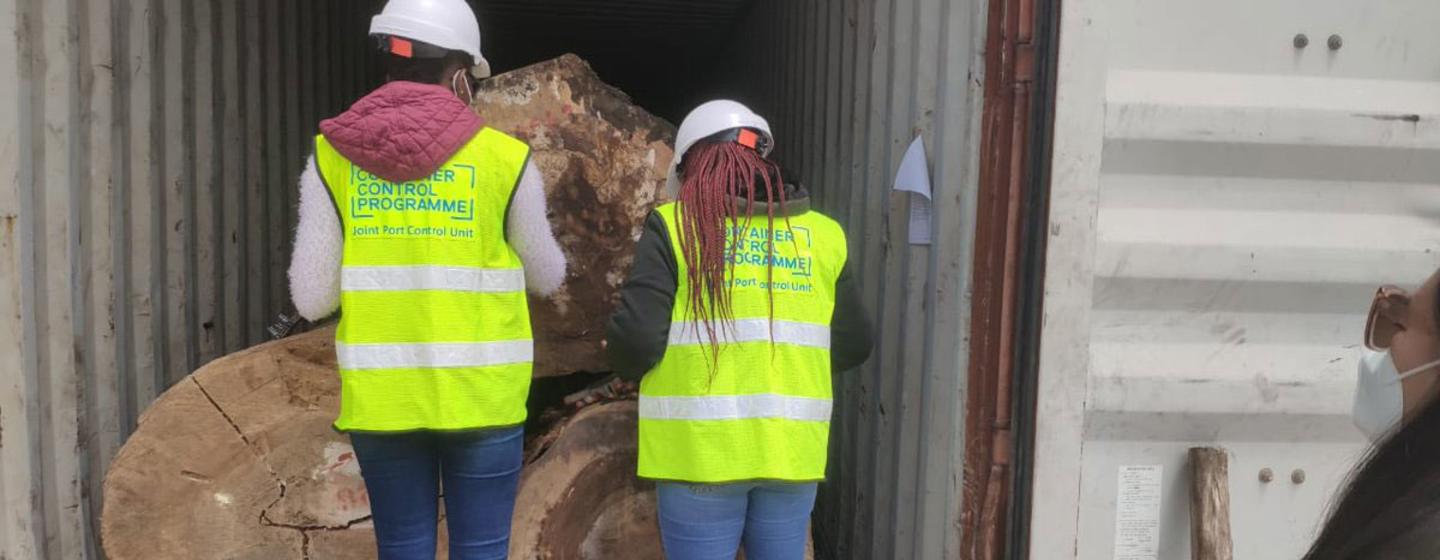
Custom and law enforcement officers prevent huge quantities of contraband from entering the markets of destination countries.
© UNODC
 
Custom and law enforcement officers prevent huge quantities of contraband from entering the markets of destination countries.

States taking action

Law enforcement and judicial efforts that safeguard the legal supply chain should be a priority, said UNODC, pointing to the seizure of some 605 tonnes of fake medicines between 2017 to 2021 by authorities in the region.

Operation Pangea, for example, coordinated by UN partner INTERPOL in 90 countries, targeted online sales of pharmaceutical products. Results saw seizures of unauthorized antivirals rise by 18 per cent and unauthorized chloroquine, to treat malaria, by 100 per cent.

“Transnational organized crime groups take advantage of gaps in national regulation and oversight to peddle substandard and falsified medical products,” UNODC Executive Director Ghada Waly said. “We need to help countries increase cooperation to close gaps, build law enforcement and criminal justice capacity, and drive public awareness to keep people safe.”

Following the death of 70 children in The Gambia in 2022, the World Health Organization identified four contaminated paediatric medicines in the West African nation.
© WHO
 
Following the death of 70 children in The Gambia in 2022, the World Health Organization identified four contaminated paediatric medicines in the West African nation.

UN in action


 https://news.un.org/en/story/2023/05/1137062

https://creativecommons.org/licenses/by/3.0/legalcode

среда, 24 мая 2023 г.

Unprecedented joint call to shield children on the move from violence


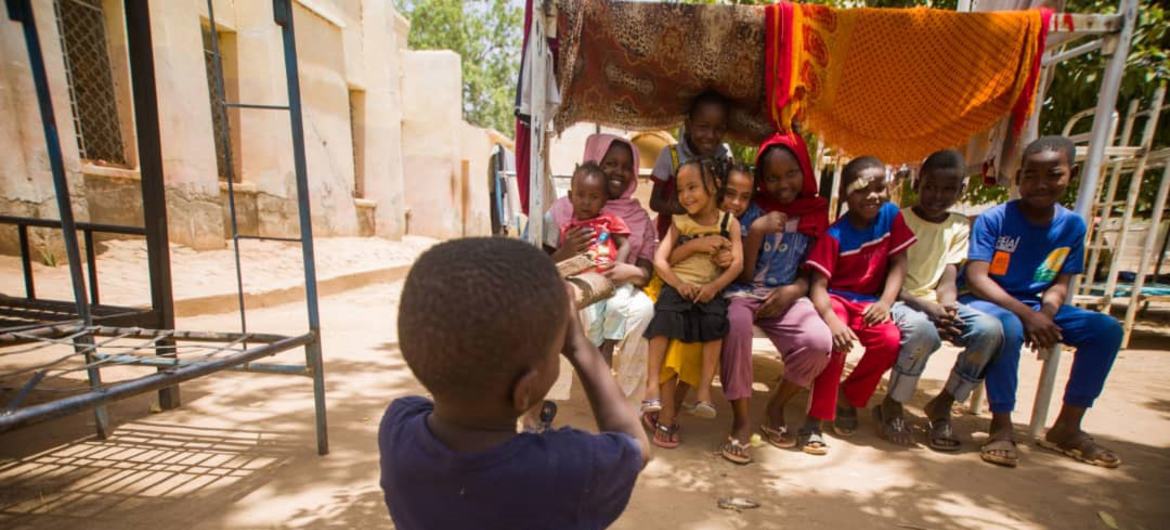
Displaced Sudanese children at a temporary shelter..
© UNICEF/Ahmed Elfatih Mohamdee
 
Displaced Sudanese children at a temporary shelter..
24 May 2023
Peace and Security

The UN’s top advocate on ending violence against children, joined UN agencies on Wednesday in highlighting the urgent need to protect the rights of young people on the move, amid spiralling crises worldwide.

With more than 42 million children displaced worldwide and increasing exposure to multiple forms of violence, the Office of the Special Representative on Violence against Children co-launched a new brief, Protecting the Rights of Children on the Move in Times of Crisis, which draws on past lessons, and outlines key principles to boost child protection.

Tweet URL

In this unprecedented joint call, the Special Representative Dr. Najat Maalla M’jid, was joined by the head of the UN human rights office (OHCHR), refugee agency UNHCR, the UN Children’s Fund UNICEF, the UN Office on Drugs and Crime (UNODC), and the UN migration agency (IOM) - in close partnership with the Organization for Security and Co-operation in Europe (OSCE) Special Representative and Coordinator for Combating Trafficking in Human Beings – who stressed that “protection of all children, independently of their status, is more necessary than ever.”  

This includes investing in strong rights-based national protection systems that include displaced children, rather than excluding them or creating separate services for them, says the brief, which has proven to be more sustainable and effective in the long-term.

Concrete actions

As millions of children are displaced, often for many years, by crises such as armed conflicts, political instability, climate change – and it’s associated fallout for health and economic survival - the best interests of the child must be the primary consideration, the brief states.

Full protection requires translating good intentions into concrete and sustained actions, ensuring non-discriminatory access to national services.

This includes civil documentation such as birth registration, social welfare, justice, health, education, and social protection - for all children, without distinction or exclusion based on their migration status.

Penelope Cruz - unity call

Spanish film star and campaigner, Penelope Cruz joined the call, emphasizing that we all have a role to play in protecting children from violence: “Children must be protected everywhere and in all circumstances. Keeping all children safe from harm and promoting their wellbeing with particular attention to those is crisis situations is – and must be – everybody’s business.

“Let's be united in creating a world free from violence against children”, she declared.


 https://news.un.org/en/story/2023/05/1137002


https://creativecommons.org/licenses/by/3.0/legalcode