Избранное сообщение

Показаны сообщения с ярлыком Sahel. Показать все сообщения

четверг, 20 июля 2023 г.

WFP: ‘Urgent action is needed’ to end growing humanitarian crisis in Sahel

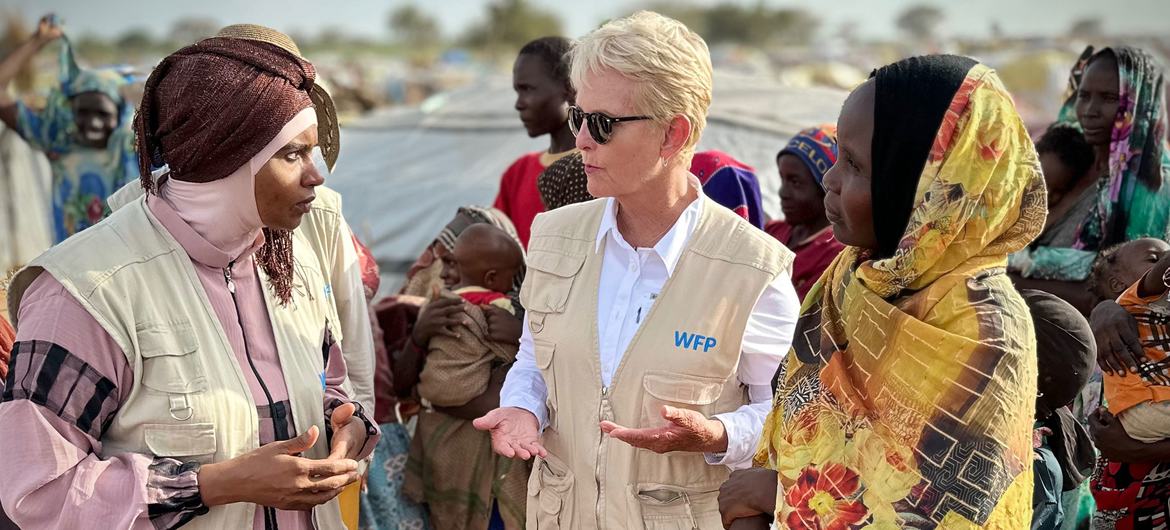
WFP Executive Director Cindy McCain (centre),  talks to staff at refugee camp in Chad.
© WFP/Julian Civiero
 
WFP Executive Director Cindy McCain (centre), talks to staff at refugee camp in Chad.
21 July 2023
Humanitarian Aid

The ongoing conflict in Sudan is impacting food security and migration across West and Central Africa, depleting scarce resources, exacerbating inter-communal tensions and putting major stress on the already underfunded humanitarian response, the World Food Programme (WFP) said on Friday.

The spillover will be devastating for both peace and stability in a region already experiencing political instability, climate extremes, food and water insecurity, and economic decline, the agency warned.

Growing crisis

“We are increasingly concerned about an overflow from the security crisis in the Sahel into coastal countries – particularly the Gulf of Guinea,” said WFP Executive Director, Cindy McCain following an extensive visit to Chad, Togo, and Benin.

In Chad, conflict, climate shocks, and high food and petrol costs are pushing millions into acute hunger and malnutrition.  Chad hosts the largest refugee population of any country in West and Central Africa, and has been gripped by its own rising food insecurity.

The Executive Director traveled together with the UN Deputy Secretary-General, Amina Mohammed, to the Sudanese border, where some 330,000 people – mostly women and children - have already crossed to escape the violence sparked by the military showdown.

“The people I spoke with on the Chad-Sudan border told me absolutely heartbreaking stories of their dangerous journey, and of loved ones they lost along the way,” Ms. McCain said. 

“Too many are injured and malnourished. This is the price innocent people pay for war; what these people have been through is unacceptable, and the world must step up and help them.”
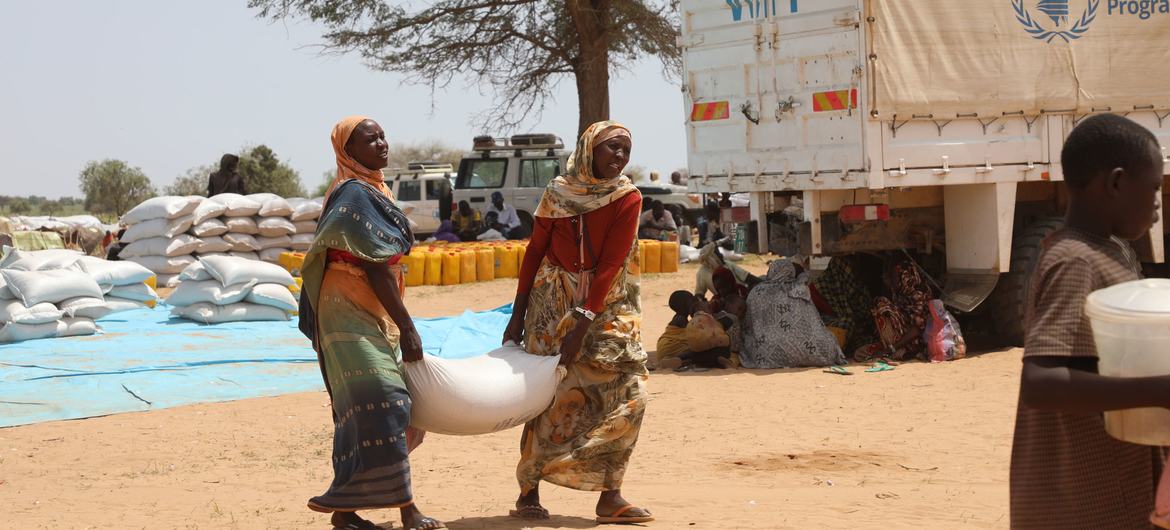
Sudanese refugees collect food aid at the  Zabout refugee Camp in Chad.
© WFP/Marie-Helena Laurent
 
Sudanese refugees collect food aid at the Zabout refugee Camp in Chad.

Severe lack of funding 

As needs are soaring in Chad, funding has not kept pace. WFP plans to reach two million refugees and vulnerable Chadians with emergency assistance but has struggled to reach even half of this goal due to insufficient funding. According to the WFP, $157 million is urgently needed to stabilize the deteriorating situation. 

Ms. McCain visited Abeche, Chad to view WFP’s resilience projects that are assisting communities by laying the groundwork for sustainable food systems and self-sufficiency.

“We act now and stop Chad from becoming another victim of this crisis that has gripped the region or wait and act when it’s too late,” she added. 

WFP ‘ready and committed’

Amidst the rising of violence in the Sahel, WFP stands ready and committed to supporting national governments in emergency preparedness and response. 

“This is a clear example of how WFP and national governments can work together to achieve human capital development and the overall wellbeing of future generations,” said McCain.

“Urgent action is needed if we do not want to see the crisis spiral out of control.”


 https://news.un.org/en/story/2023/07/1138987


https://creativecommons.org/licenses/by/3.0/legalcode

четверг, 25 мая 2023 г.

Trafficking in the Sahel: Killer cough syrup and fake medicine | UN News


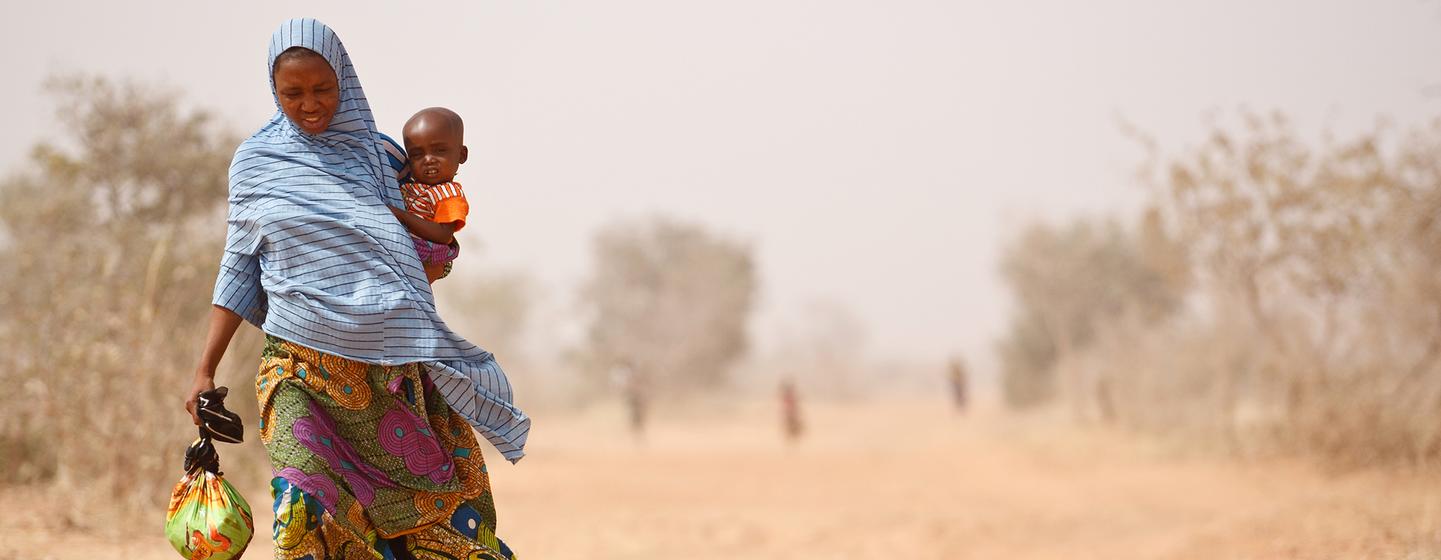
Millions of people in the Sahel region of Africa are facing food insecurity caused by consecutive failed rainy seasons, desertification, and a fragile security landscape.


© UNICEF/Olivier Asselin
 
Millions of people in the Sahel region of Africa are facing food insecurity caused by consecutive failed rainy seasons, desertification, and a fragile security landscape.
27 May 2023
Peace and Security

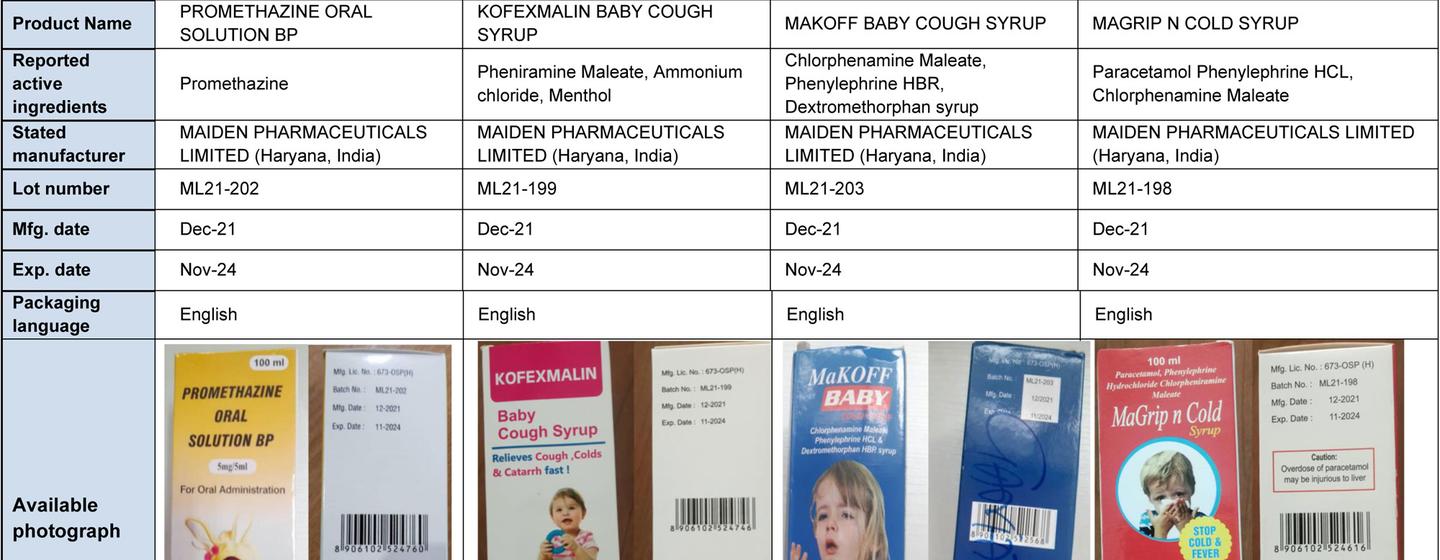
In the summer of 2022, 70 Gambian babies and young children died from kidney failure after ingesting cough syrup spooned out by their caregivers. The World Health Organization (WHO) issued a global alert that four tainted paediatric products had originated in India, as local health authorities continue to investigate how this tragedy unfolded.

This feature, which focuses on the illegal trade in substandard and fake medicines, is part of a UN News series exploring the fight against trafficking in the Sahel.

From ineffective hand sanitizer to fake antimalarial pills, an illicit trade that grew during the COVID-19 pandemic in 2020 is being meticulously dismantled by the UN and partner countries in Africa’s Sahel region.

Substandard or fake medicines, like contraband baby cough syrup, are killing almost half a million sub-Saharan Africans every year, according to a threat assessment report from the UN Office on Drugs and Crime (UNODC).

The report explains how nations in the Sahel, a 6,000-kilometre-wide swath stretching from the Red Sea to the Atlantic, which is home to 300 million people, are joining forces to stop fake medicines at their borders and hold the perpetrators accountable.

This fight is taking place as Sahelians face unprecedented strife: more than 2.9 million people have been displaced by conflict and violence, with armed groups launching attacks that have already shuttered 11,000 schools and 7,000 health centres.

Deadly supply meets desperate demand

Health care is scarce in the region, which has among the world’s highest incidence of malaria and where infectious diseases are one of the leading causes of death.

“This disparity between the supply of and demand for medical care is at least partly filled by medicines supplied from the illegal market to treat self-diagnosed diseases or symptoms,” the report says, explaining that street markets and unauthorized sellers, especially in rural or conflict-affected areas, are sometimes the only sources of medicines and pharmaceutical products.

Fake treatments with fatal results

The study shows that the cost of the illegal medicine trade is high, in terms of health care and human lives.

Fake or substandard antimalarial medicines kill as many as 267,000 sub-Saharan Africans every year. Nearly 170,000 sub-Saharan African children die every year from unauthorized antibiotics used to treat severe pneumonia.

Caring for people who have used falsified or substandard medical products for malaria treatment in sub-Saharan Africa costs up to $44.7 million every year, according to World Health Organization (WHO) estimates.

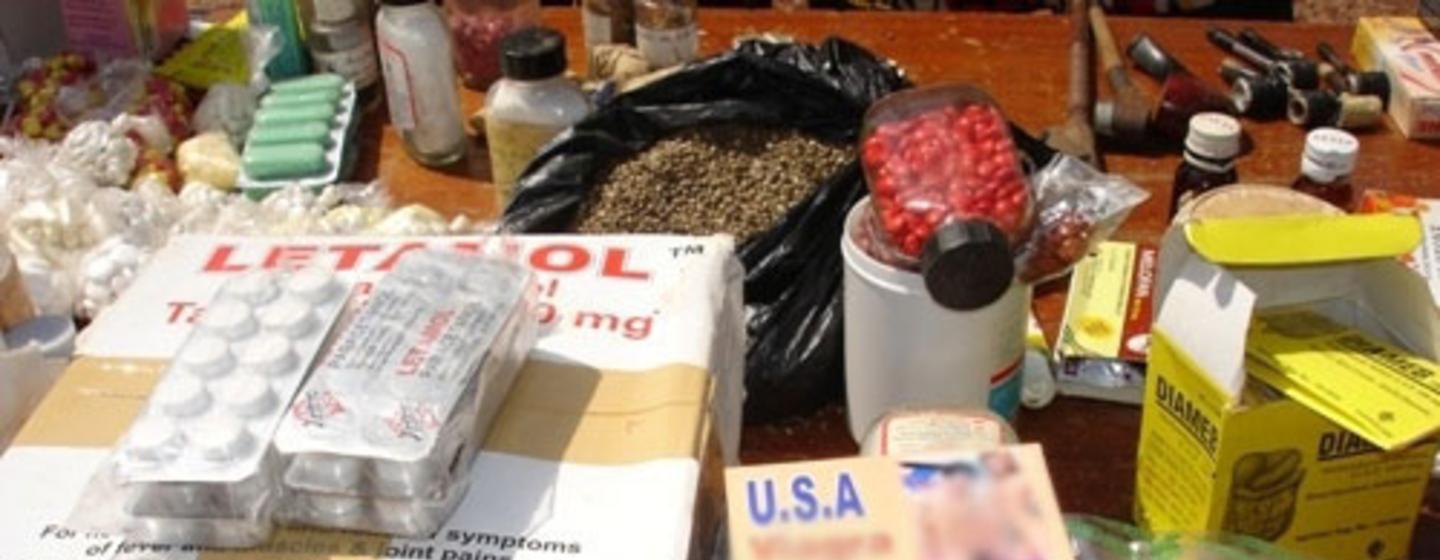
Counterfeit drugs at a market in Ouagadougou, Burkina Faso.
IRIN/Brahima Ouedraogo
 
Counterfeit drugs at a market in Ouagadougou, Burkina Faso.

Motley trafficking

Corruption is one of the main reasons that the trade is allowed to flourish.

About 40 per cent of substandard and falsified medical products reported in Sahelian countries between 2013 and 2021 land in the regulated supply chain, the report showed. Products diverted from the legal supply chain typically come from such exporting nations as Belgium, China, France, and India. Some end up on pharmacy shelves.

The perpetrators are employees of pharmaceutical companies, public officials, law enforcement officers, health agency workers and street vendors, all motivated by potential financial gain, the report found.

Traffickers are finding ever more sophisticated routes, from working with pharmacists to taking their crimes online, according to a UNODC research brief on the issue.

While terrorist groups and non-State armed groups are commonly associated with trafficking in medical products in the Sahel, this mainly revolves around consuming medicines or levying “taxes” on shipments in areas under their control.

Snip supply, meet demand

Efforts are under way to adopt a regional approach to the problem, involving every nation in the region. For example, all Sahel countries except Mauritania have ratified a treaty to establish an African medicines agency, and the African Medicines Regulatory Harmonization initiative, launched by the African Union in 2009, aims at improving access to safe, affordable medicine.

All the Sahel countries have legal provisions in place relating to trafficking in medical products, but some laws are outdated, UNODC findings showed. The agency recommended, among other things, revised legislation alongside enhanced coordination among stakeholders.

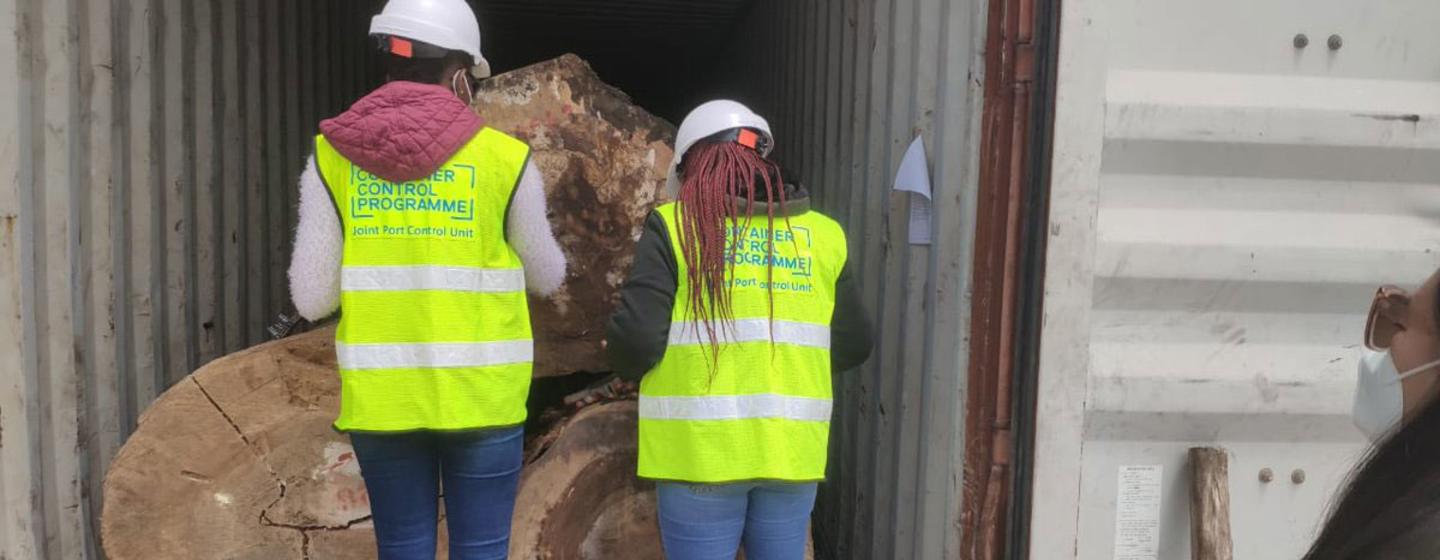
Custom and law enforcement officers prevent huge quantities of contraband from entering the markets of destination countries.
© UNODC
 
Custom and law enforcement officers prevent huge quantities of contraband from entering the markets of destination countries.

States taking action

Law enforcement and judicial efforts that safeguard the legal supply chain should be a priority, said UNODC, pointing to the seizure of some 605 tonnes of fake medicines between 2017 to 2021 by authorities in the region.

Operation Pangea, for example, coordinated by UN partner INTERPOL in 90 countries, targeted online sales of pharmaceutical products. Results saw seizures of unauthorized antivirals rise by 18 per cent and unauthorized chloroquine, to treat malaria, by 100 per cent.

“Transnational organized crime groups take advantage of gaps in national regulation and oversight to peddle substandard and falsified medical products,” UNODC Executive Director Ghada Waly said. “We need to help countries increase cooperation to close gaps, build law enforcement and criminal justice capacity, and drive public awareness to keep people safe.”

Following the death of 70 children in The Gambia in 2022, the World Health Organization identified four contaminated paediatric medicines in the West African nation.
© WHO
 
Following the death of 70 children in The Gambia in 2022, the World Health Organization identified four contaminated paediatric medicines in the West African nation.

UN in action


 https://news.un.org/en/story/2023/05/1137062

https://creativecommons.org/licenses/by/3.0/legalcode

среда, 19 апреля 2023 г.

West Africa and Sahel: Food insecurity, malnutrition, set to reach 10-year high

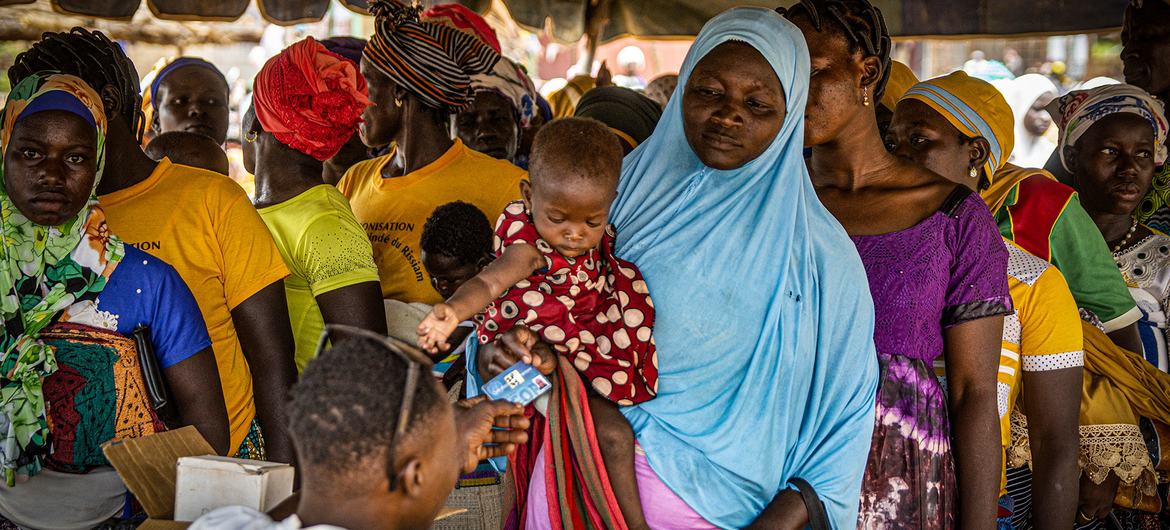
Women line up to receive beneficiary cards to buy fortified flour to prevent malnutrition in Kongoussi, Burkina Faso.
© WFP/Cheick Omar Bandaogo
 
Women line up to receive beneficiary cards to buy fortified flour to prevent malnutrition in Kongoussi, Burkina Faso.
18 April 2023
Humanitarian Aid

Food insecurity and malnutrition in West and Central Africa are on track to reach a 10-year high by June as the crisis expands to coastal countries, UN agencies warned on Tuesday, citing latest data. 

For the first time in the Sahel, 45,000 people are at risk of experiencing catastrophic levels of hunger, or one step away from famine, they said.  The majority, 42,000, are in Burkina Faso and Mali, where violent unrest in some areas has hampered the delivery of humanitarian aid.  

The combined effects of conflict, climate shocks, the COVID-19 pandemic and high food prices, continue to drive up hunger and malnutrition in the region. 

The number of people who do not have regular access to safe and nutritious food is expected to reach 48 million during the lean season from June to August, according to the latest analysis from Cadre Harmonisé, an early warning tool used by humanitarians. 

Heart-breaking situation 

This represents a fourfold increase in the last five years, and the results further confirm a longer-term trend towards a geographic expansion of food security. 

“The spiralling food security and nutrition situation in Western Africa is just heart-breaking,” said Chris Nikoi, Regional Director for the World Food Programme (WFP).

“There is a crucial need for massive investment in strengthening the capacities of communities and individuals to withstand shocks while prioritizing local and long-term solutions to food production, transformation and access for vulnerable groups,” he added. 

Child malnutrition rising 

WFP alongside the Food and Agriculture Organization (FAO), the UN Children’s Fund (UNICEF) and the UN humanitarian affairs office, OCHA, have renewed their call for greater support to Governments in the region. 

The data further showed that 16.5 million children under five are set to face acute malnutrition this year, including nearly five million who are at risk of debilitating severe malnutrition. 

Their numbers represent a staggering 83 percent rise in global acute malnutrition compared to the 2015 to 2022 average.  

Harder to help now 

Conflict and population displacement are also fuelling the crisis, leading to reduced access to essential health, nutrition and water and sanitation services, as well as social protection. 

“Growing insecurity and conflict means vulnerability is increasing in the region, and it is getting harder to help communities in isolated areas,” said Marie-Pierre Poirier, Regional Director for the UN Children’s Fund (UNICEF).  

Access to food, as well as availability, remain a major concern despite improved rainfall last year.  

Trend will worsen 

West and Central Africa are dependent on imports, but currency depreciation and high inflation are causing food import bills to rise. The situation is unfolding even as Governments grapple with major fiscal constraints and macroeconomic challenges. 

There are also concerns that restrictions on seasonal cattle movements, and high concentrations of livestock in some areas, could lead to further deterioration in pastoral and security conditions.  

Robert Guei, FAO’s Sub-regional Coordinator for West Africa, said the continued deterioration of the food and nutrition situation is “unacceptable”. 

He added that despite the increase of cereal production, access to food for most people remains challenging as markets have been disrupted because of insecurity and high food prices. 

“This trend will probably continue to worsen the food and nutrition situation and therefore we must address the root causes of this crisis in a concerted manner and immediately,” he said.  “It is time for action to boost agricultural production to achieve food sovereignty in our region.” 

Support regional governments 

The UN agencies again appealed to development and humanitarian partners, and the private sector, to step up support to central governments. 

“The food and nutrition crisis has a multi-sectoral impact on the living conditions of affected populations in the region, in areas already experiencing humanitarian crises and in all West and Central African countries,” said Charles Bernimolin, Head of OCHA’s office for the region. 

“This requires the collective deployment of multisectoral approaches based on the needs expressed by the population putting West and Central Africa people at the centre,” he added. 


 https://news.un.org/en/story/2023/04/1135787


https://creativecommons.org/licenses/by/3.0/legalcode