Избранное сообщение

Показаны сообщения с ярлыком Climate and Environment. Показать все сообщения

воскресенье, 9 ноября 2025 г.

COP30 kicks off with urgent call to deliver on climate promises and scale up finance


The Belém Climate Summit opens on 10 November 2025.


By Felipe de Carvalho
8 November 2025 
Climate and Environment

Thousands of diplomats and climate experts are heading to Belém, in Brazil’s Amazon, for COP30 – the latest round of UN climate talks. Their task couldn’t be clearer: turn promises into action and agree on tougher plans to cut greenhouse gas emissions. 

After decades of pledges and annual summits from Kyoto to Sharm el-Sheikh, the planet keeps getting hotter and pressure on governments and big business to act – not just talk – has never been greater.

Holding COP30 in Belém, at the edge of the world’s largest tropical rainforest, underscores the stakes: the Amazon region is both a vital carbon sink and a frontline in the fight against deforestation and climate change.

So, this year’s meeting aims to shift gears. Delegates will review national climate plans, push for $1.3 trillion a year in climate finance, adopt new measures to help countries adapt, and advance a ‘just transition’ to cleaner economies.

‘It’s time for implementation’

COP30 has been billed as a turning point – a moment of truth and a test of global solidarity. The summit opens on Monday in Belém against a stark backdrop: scientists say the planet is on course to temporarily breach the 1.5°C warming limit set by the Paris Agreement.

That overshoot could still be short-lived, experts warn, but only if countries act fast to ramp up efforts on cutting emissions, adapting to climate impacts, and mobilizing finance.

Speaking at the Leaders’ Summit, UN Secretary-General António Guterres was blunt: “It’s no longer time for negotiations. It’s time for implementation, implementation and implementation.”

Under Brazil’s presidency, COP30 will revolve around an action agenda of 30 key goals, each driven by an ‘activation group’ tasked with scaling up solutions. 

The effort has been dubbed a mutirão – an Indigenous word meaning “collective task” – reflecting Brazil’s push to spotlight Indigenous leadership and participation at the conference and in the global fight against climate change.

The government says it wants all sectors – from Indigenous communities to business leaders – to help deliver on past climate promises.

Financing the transition

Action agendas at COPs are built on voluntary pledges rather than binding law. But the scale of change needed is enormous: at least $1.3 trillion in climate investments every year by 2035.

Without urgent action, scientists warn global temperatures could climb between 2.3°C and 2.8°C by the end of the century, leaving vast regions uninhabitable through flooding, extreme heat and ecosystem collapse.

At the heart of talks in Belém will be the Baku-to-Belém Roadmap Report for $1.3 Trillion, prepared by the COP29 and COP30 presidencies. It sets out five priorities for mobilizing resources, including boosting six multilateral climate funds, strengthening cooperation on taxing polluting activities, and converting sovereign debt into climate investment – a move that could unlock up to $100 billion for developing countries.

The report also calls for dismantling barriers such as investment treaty clauses that let corporations sue governments over climate policies. Those disputes have already cost governments $83 billion across 349 cases.

Delegates ae gathering for the Climate Summit which is taking place in Belém, Brazil.
© UNFCCC/Diego Herculano
 
Delegates ae gathering for the Climate Summit which is taking place in Belém, Brazil.

What else is on the agenda at COP30?

Another key focus in Belém is the latest round of Nationally Determined Contributions (NDCs) – national climate plans that spell out how countries intend to cut emissions. To keep warming below 1.5°C, global emissions must fall by 60 per cent by 2030. Current NDCs would deliver only a 10 per cent cut.

Of the 196 Parties to the Paris Agreement, just 64 had submitted updated NDCs by the end of September. At preparatory talks in Germany in June, many countries warned that this ambition gap must be closed at COP30.

Delegates are also expected to approve 100 global indicators to track progress on climate adaptation, making results measurable and comparable across nations. 

Today, 172 countries have at least one adaptation policy or plan, though 36 are outdated. The new indicators should help shape more transparent and effective policies.

With the planet heating faster than ever, adaptation is now a central pillar of climate action. But the UN Environment Programme (UNEP) warns adaptation finance must rise twelvefold by 2035 to meet developing countries’ needs.

COP30 will also push forward the Just Transition Work Programme – aimed at ensuring climate measures don’t deepen inequality. Civil society groups are calling for a “Belém Action Mechanism” to coordinate just transition efforts and expand access to technology and finance for the most vulnerable nations.

Why COPs matter

The Conference of the Parties to the UN Framework Convention on Climate Change (UNFCCC) – known simply as COP – remains the world’s leading forum for tackling the climate crisis. Decisions are made by consensus, driving cooperation on mitigation, adaptation and finance.

Over the years, COPs have delivered landmark deals. In 2015, the Paris Agreement set the goal of keeping global temperature rise “well below 2°C” while striving for 1.5°C. 

At COP28 in Dubai, countries agreed to transition away from fossil fuels “in a just, orderly and equitable manner” and to triple renewable energy capacity by 2030. Last year in Baku, COP29 raised the annual climate finance target for developing nations from $100 billion to $300 billion, with a roadmap to scale up to $1.3 trillion.

Taken together, the legal framework built over three decades under the UNFCCC has helped avert a projected 4°C temperature rise by the end of this century.

COP30 opens Monday, 10 November, and runs through Friday, 21 November.

https://news.un.org/en/story/2025/11/1166313

https://creativecommons.org/licenses/by/4.0/legalcode

четверг, 30 октября 2025 г.

Hurricane Melissa: Devastation in Jamaica at levels ‘never been seen before’

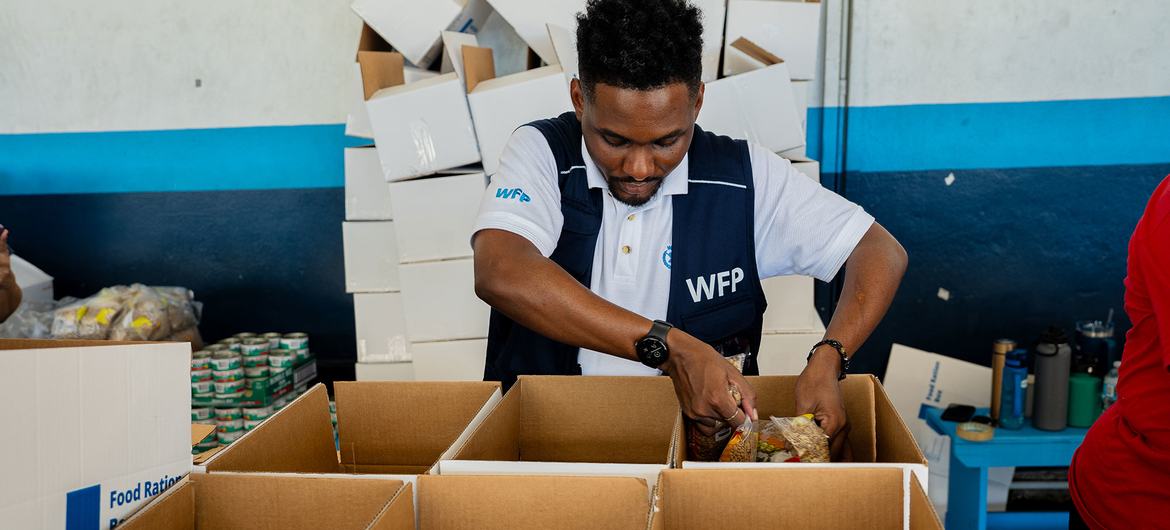
Food is packed for distribution to people affected by Hurricane Melissa in Jamaica.
© UN/Lovell
 
Food is packed for distribution to people affected by Hurricane Melissa in Jamaica.


By Charlotte Frantz
29 October 2025
 Climate and Environment

As Hurricane Melissa moved north of Jamaica on Wednesday, the head of the UN team there said that preliminary damage assessments from the category 5 storm showed a level of devastation “never seen before” on the Caribbean island.

As Hurricane Melissa moved north of Jamaica on Wednesday, the head of the UN team there said that preliminary damage assessments from the category 5 storm showed a level of devastation “never seen before” on the Caribbean island.

UN Resident Coordinator Dennis Zulu emphasised the UN remains closely engaged with governments across the region, on-the-ground UN agencies, and the Caribbean Disaster Emergency Management Agency (CDEMA), noting the “tremendous and unprecedented destruction of infrastructure,” across Jamaica where Melissa made landfall on Tuesday.

Tweet URL

Looking to the months-long reconstruction and recovery effort ahead, he told correspondents in New York via video conference that it would take “a lot of resources” to rebuild and put the thriving economy back on its feet.

“I don't think there's any single soul on this island that was not affected by Hurricane Melissa", highlighted the resident coordinator.

‘Terrible tragedy’

UN World Food Programme (WFP) Director for the Caribbean Multi-Country Office, Brian Bogart, told UN News from the capital, Kingston: “This is a terrible tragedy and there is a real sense of urgency here on the ground. What we're really focused on now is trying to get food and logistics support to enable the entire humanitarian community to respond in coordination with the government”. 

Mr. Bogart said the agency’s primary focus is to deliver 2,000 emergency food boxes which are ready to be airlifted from Barbados as soon as the airport reopens, which would be enough to support 6,000 people for a week. 

As the leading logistical agency, WFP is also loading a vessel in Barbados from the Logistics Hub run alongside the CDEMA, with essentials – such as hygiene kits, shelter, generators – and other items from UN agencies and partners to support the humanitarian effort in Jamaica.

Hurricane barrels on

Early Wednesday morning, Hurricane Melissa crossed into Cuba, bringing 120 mph winds, heavy rain, and a warning of “life-threatening” storm surges, according to news reports. It’s due to move on to The Bahamas, followed by Bermuda.

The storm weakened to a category 2 reaching Cuba, but the National Hurricane Centre (NHC) there said Melissa would “remain a powerful hurricane when it moves across the Bahamas later today.”

The UN Deputy Secretary-General Amina Mohammed said the slow-moving storm was “yet another demonstration of climate science and why we must fight for a world at 1.5 degrees Celsius.”

Data from the UN aid coordination office (OCHA) shows Melissa ranks among the most intense storms to strike Cuba in recent decades, with maximum sustained winds near 138 mph (222 km/h) and two-day rainfall totals approaching 145 millimetres. 

On Wednesday, the UN allocated $4 million each to Haiti and Cuba from its Central Emergency Fund to help communities prepare for the storm and reduce its impact. 

According to news reports, at least 20  Haitians – including 10 children – died due to river flooding as Melissa barrelled across the region. 

UN working ‘hand in hand’ with authorities

Conveying his heartfelt condolences to the families of those who have lost their lives, the UN Secretary-General António Guterres reiterated his solidarity with the governments and communities affected by the hurricane. 

“Guided by Resident Coordinators on the ground, the UN is working hand in hand with authorities and humanitarian partners to assess needs, assist those impacted, and prepare in areas that may yet face the storm’s impact,” he said. 

UN General Assembly President Annalena Baerbock tweeted that for small island developing States “the climate crisis is a lived reality, and the cost of inaction is measured in lives and livelihoods. Adaptation isn’t optional, it’s survival. Solidarity must become sustained, scaled-up climate action.”


https://news.un.org/en/story/2025/10/1166217

https://creativecommons.org/licenses/by/4.0/legalcode

воскресенье, 21 сентября 2025 г.

UN ‘high seas’ treaty clears ratification threshold, to enter into force in January

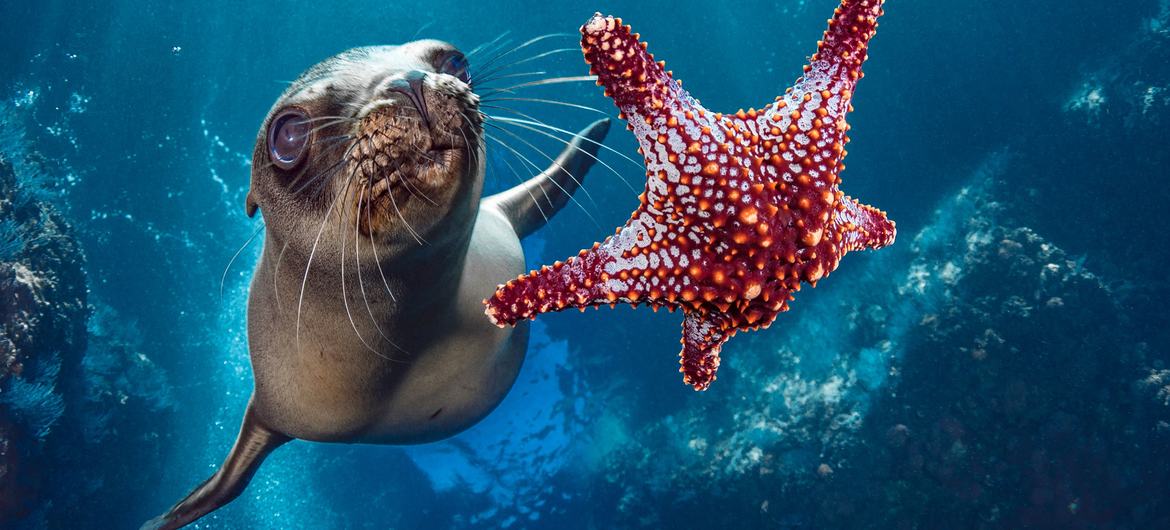
A sea lion swims past a starfish, highlighting the vibrant biodiversity of marine ecosystems.
© Ocean Image Bank/Hannes Klost
 
A sea lion swims past a starfish, highlighting the vibrant biodiversity of marine ecosystems.


By Vibhu Mishra
20 September 2025
 Climate and Environment

A landmark UN treaty to safeguard marine biodiversity on the high seas has now met the required 60 ratifications for entry into force, clearing the way for it to take effect in January 2026.

Morocco and Sierra Leone joined the list of States ratifying on Friday, becoming the 60th and 61st parties to the pact.

The treaty, formally known as the Agreement under the United Nations Convention on the Law of the Sea on the Conservation and Sustainable Use of Marine Biological Diversity of Areas beyond National Jurisdiction (BBNJ agreement), was adopted by UN Member States in June 2023 after nearly two decades of negotiations.

A historic achievement

Secretary-General António Guterres welcomed the development, calling it a “historic achievement for the ocean and for multilateralism.

“In two years, States have turned commitment into action – proving what is possible when nations unite for the common good,” he said in a statement.

“As we confront the triple planetary crisis of climate change, biodiversity loss, and pollution, this agreement is a lifeline for the ocean and humanity.

Tweet URL

The pact – also called the “high seas treaty” – covers two-thirds of the world’s ocean area that lies beyond national boundaries.

It establishes legally binding rules to conserve and sustainably use marine biodiversity, share benefits from marine genetic resources more fairly, create protected areas, and strengthen scientific cooperation and capacity building.

Foundation of our existence

UN Environment Programme (UNEP) Executive Director Inger Andersen also hailed the milestone.

Our ocean is the foundation of our very existence. Today we took an important step forward to save our ocean, and to save our future,” she said in a post on social media.

Safeguarding humanity’s future

The BBNJ agreement builds on the UN Convention on the Law of the Sea, regarded as the “constitution for the oceans.”

Once the high seas treaty enters into force on 17 January 2026, it will provide a global framework to help achieve international biodiversity targets, including the pledge to protect 30 per cent of land and sea areas by 2030 under the Kunming-Montreal Global Biodiversity Framework.

Mr. Guterres urged all remaining UN Member States to join the treaty without delay and called on partners to support its swift and full implementation.

The ocean’s health is humanity’s health,” he said.

https://news.un.org/en/story/2025/09/1165901

https://creativecommons.org/licenses/by/4.0/legalcode

среда, 17 сентября 2025 г.

Healing the ozone layer: ‘Guided by science, united in action’

The ozone layer, a fragile shield of gas, protects the Earth from the harmful portion of the rays of the sun.
© Unsplash/Jerry Zhang
 
The ozone layer, a fragile shield of gas, protects the Earth from the harmful portion of the rays of the sun.


16 September 2025
 Climate and Environment

Every year on 16 September, the UN celebrates the international community’s success in healing the ozone layer and brings attention to what more can be done to protect the planet.

Last century, scientists confirmed the alarming reality of a significant depletion in the ozone layer – an invisible shield of gas which surrounds the earth and protects it from the sun’s UV rays.

Tweet URL

The collection of ozone-depleting substances included CFCs, or chlorofluorocarbons, which in the mid-1980s were commonly found in everyday products such as air conditioners, fridges and aerosol cans.

Science led to global action. Realising that harmful UV radiation was entering the atmosphere through what was potentially a damaged ozone layer, countries made a commitment under the Vienna Convention in 1985, to do what was needed for the protection of the people and the planet.

The Vienna Convention and its Montreal Protocol became a landmark of multilateral success,” said the UN Secretary General António Guterres in a message for this year’s World Ozone Day.

“Today, the ozone layer is healing,” he said.

What is the Vienna Convention?

Forty years ago, countries came together to take the first step in protecting the ozone layer, “guided by science, united in action,” the UN chief continued.

The Vienna Convention for the Protection of the Ozone Layer, adopted and signed by 28 countries on 22 March 1985, formalised universal cooperation over the protection of the fragile ozone layer.

It is the first treaty to be signed by every country in the world and the precursor to the Montreal Protocol.

The objective of the Montreal Protocol is to monitor the global production and consumption of substances that deplete the ozone layer – and eventually eliminate them.

Multilateralism at its best

In a video message, Inger Andersen, Executive Director of the UN Environment Programme (UNEP), highlighted that through action under the conventions “ozone depleting substances have now been virtually eradicated and the hole in ozone layer is closing.”

After scientists sounded the alarm, countries, nations, and businesses came together and took action for the planet.

“That is multilateralism at its very, very best,” she added.

The Montreal Protocol has been progressing well in both developed and developing countries with most phase-out schedules – the time given for each country to gradually stop the production of harmful substances – adhered to or even surpassed.

This achievement reminds us that when nations heed the warnings of science, progress is possible,” remarked Mr. Guterres.

Next in line, the Kigali Amendment

In his message, Mr. Guterres urged governments to ratify and implement the Kigali Amendment to the Montreal Protocol, which commits to phase down, or reduce, hydrofluorocarbons (HFCs), greenhouse gases used mainly in cooling technologies.

“Implementing the Kigali Amendment could avoid up to 0.5 degrees Celsius of warming by the end of the century,” he said. “Paired with energy-efficient cooling, we could double these gains.”

As outlined in the Paris Agreement, countries have agreed to try and limit the rise of global temperature to 1.5 degrees Celsius.

“On this World Ozone Day, let’s recommit to preserving our ozone layer and to protecting people and planet for generations to come,” the UN chief said. 


https://creativecommons.org/licenses/by/4.0/legalcode

https://news.un.org/en/story/2025/09/1165861

пятница, 22 августа 2025 г.

Monsoon floods kill more than 700 in Pakistan, with heavy rains set to continue

Children wade through a flooded canal in Pakistan, where this year’s monsoon rains have left many families without homes, safe water or schooling. (file photo)
© UNICEF/Vlad Sokhin
 
Children wade through a flooded canal in Pakistan, where this year’s monsoon rains have left many families without homes, safe water or schooling. (file photo)


By Vibhu Mishra
21 August 2025
 Climate and Environment

Heavy monsoon rains and flash floods have killed at least 739 people across Pakistan since late June, displacing thousands and destroying homes and crops, with more severe weather expected in the weeks ahead, according to UN agencies and national authorities. 


The National Disaster Management Authority has also reported 978 injuries and the destruction or damage of more than 2,400 houses, while over 1,000 livestock have been lost as of Thursday, 21 August.

Severe weather is forecast to continue into early September, raising the risk of further flooding, landslides and crop losses, according to the UN Office for the Coordination of Humanitarian Affairs (OCHA).

Khyber Pakhtunkhwa hit hardest

The northwestern province of Khyber Pakhtunkhwa has borne the brunt of the disaster. 

Authorities declared a state of emergency in nine districts, including Buner, Shangla and Mansehra, after torrential rains between 15 and 19 August left 368 people dead, 182 injured and damaged more than 1,300 homes. Nearly 100 schools were also destroyed.

The international charity CARE said its teams found widespread devastation in Buner, where families reported homes and livelihoods swept away within minutes by torrents of floodwater carrying boulders and debris.

Children most affected

The toll on children has been particularly severe, with displacement, loss of schooling and limited access to safe water putting their health and well-being at grave risk. 

According to the UN Children’s Fund (UNJCEF), at least 21 children were among those killed in Khyber Pakhtunkhwa since 15 August.

Many schools have been destroyed or are now being used as temporary shelters, further restricting access to education and safe spaces.

Urban flooding in Karachi

In Sindh province, heavy rains on 19 August triggered urban flooding in Karachi – Pakistan’s largest city – where at least six people were killed in wall collapses and electrocutions. Rainfall reached up to 145 millimetres (about 5.75 inches) in parts of the city, inundating roads and leaving many neighbourhoods without power for hours.

The province of Punjab also suffered extensive flooding along the Indus and Chenab rivers, which has displaced more than 2,300 families and damaged cash crops across thousands of acres.

Scaling up support

Federal and provincial authorities are leading the response, having mobilized over 2,000 personnel for rescue and evacuation. In coordination with the UN and partners, they have dispatched key relief items, including food, tents and medical supplies to affected areas.

OCHA said it has deployed field coordinators to the hardest-hit districts and activated emergency mechanisms, including the release of funds from its regional humanitarian envelope for Pakistan – prioritising life-saving assistance in health, water, food security and shelter.

For its part, UNICEF has dispatched essential medicines and hygiene kits to affected districts. Each kit includes soap, water containers and other hygiene supplies to help prevent disease outbreaks.

Worrying trend

Pakistan has endured devastating monsoon seasons in recent years. In 2022, unprecedented floods killed more than 1,700 people, displaced millions, and caused an estimated $40 billion in economic losses.

Erratic and intensified rainfall patterns, amplified by climate change, are compounding the country’s vulnerability, threatening lives, livelihoods and long-term recovery across southern Asia. 


https://news.un.org/en/story/2025/08/1165699


https://creativecommons.org/licenses/by/4.0/legalcode

воскресенье, 17 августа 2025 г.

Plastic pollution treaty talks adjourn, but countries want to ‘remain at the table’: UNEP chief


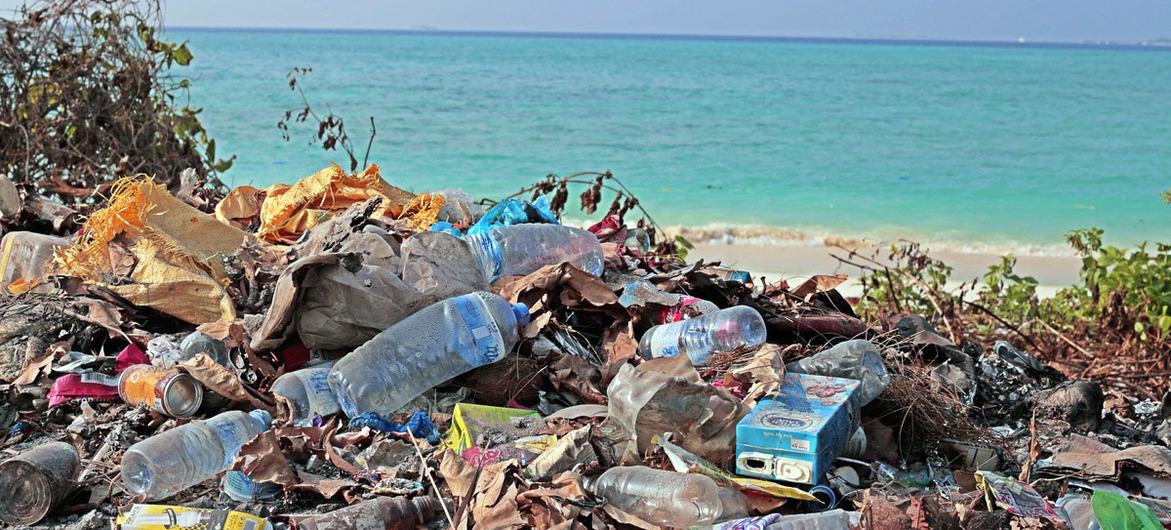
Plastic waste washes ashore in the Maldives archipelago.
© UNDP
 
Plastic waste washes ashore in the Maldives archipelago.


15 August 2025

 Climate and Environment

The international push for consensus on a legally binding deal to end plastic pollution proved beyond the grasp of weary UN Member States meeting in Geneva on Friday, as they agreed to resume discussions at a future date.

“This has been a hard-fought 10 days against the backdrop of geopolitical complexities, economic challenges and multilateral strains,” said Inger Andersen, Executive Director of the UN Environment Programme (UNEP). “However, one thing remains clear: despite these complexities, all countries clearly want to remain at the table.”   

‘Deep regret’: Guterres

Responding to news of the failure to reach agreement, UN Secretary-General António Guterres said: “I deeply regret that, despite earnest efforts, negotiations to reach an international legally binding instrument on plastic pollution, including in the marine environment, concluded without achieving a consensus.

I welcome the determination of Member States in continuing to work to beat plastic pollution and keep engaged in the process, united in purpose, to deliver the treaty the world needs to tackle this monumental challenge to people and the environment.”

Search for consensus continues

Speaking to media at the end of Intergovernmental Negotiating Committee (INC) talks at the UN in the Swiss city, Ms. Andersen emphasized how Member States had expressed a clear wish to continue engaging in the process, recognising their significant differences regarding plastic pollution.

“While we did not land the treaty text we hoped for, we at UNEP will continue the work against plastic pollution – pollution that is in our groundwater, in our soil, in our rivers, in our oceans and yes, in our bodies,” she said.

World view

“People are demanding a treaty,” the UN agency head continued, before underscoring the hard work that lies ahead to maintain the momentum needed to ink a binding international accord.

Delegates from 183 nations attested to the convening power and importance of the proposed agreement, with some Pacific island representatives - complete with dazzling fresh blooms in their hair - rubbing shoulders with other participants, drained by the final all-night negotiating session.

The resumed fifth session of talks – referred to as INC-5.2, after previous talks in Busan known as INC-5.1 – gathered more than 2,600 participants at the UN Palais des Nations. In addition to the approximately 1,400 country delegates, there were close to 1,000 observers representing at least 400 organizations.

Tweet URL

NGO voices heard

The session also involved the active participation of civil society – including Indigenous Peoples, waste pickers, artists, young people and scientists. They raised their voices through protests, art installations, press briefings and events in and around the Palace of Nations.

The goal of the negotiations was to agree on a text for the legally binding instrument to end plastic pollution “and highlight unresolved issues requiring further preparatory work ahead of a diplomatic conference”, UNEP said.

In addition to meetings together in UN Geneva’s vast assembly hall, four contact groups were created to tackle key issues including plastic design, chemicals of concern, production caps, finance and compliance instruments.

Despite “intensive engagement”, Members of the Intergovernmental Negotiating Committee was unable to reach consensus on the proposed texts, UNEP explained.

Chair's action call

“Failing to reach the goal we set for ourselves may bring sadness, even frustration. Yet it should not lead to discouragement. On the contrary, it should spur us to regain our energy, renew our commitments, and unite our aspirations,” said INC Chair, Luis Vayas Valdivieso.

“It has not happened yet in Geneva, but I have no doubt that the day will come when the international community will unite its will and join hands to protect our environment and safeguard the health of our people.” 

The INC process began in March 2022 when the UN Environment Assembly passed resolution 5.2 to develop an international legally binding instrument on plastic pollution, including in the marine environment.   

“As this session concludes, we leave with an understanding of the challenges ahead and a renewed and shared commitment to address them,” said Jyoti Mathur-Filipp, Executive Secretary of the INC Secretariat. “Progress must now be our obligation.”  

https://news.un.org/en/story/2025/08/1165658


https://creativecommons.org/licenses/by/4.0/legalcode

вторник, 22 июля 2025 г.

Deadly floods show need for faster, wider warnings, UN agency says


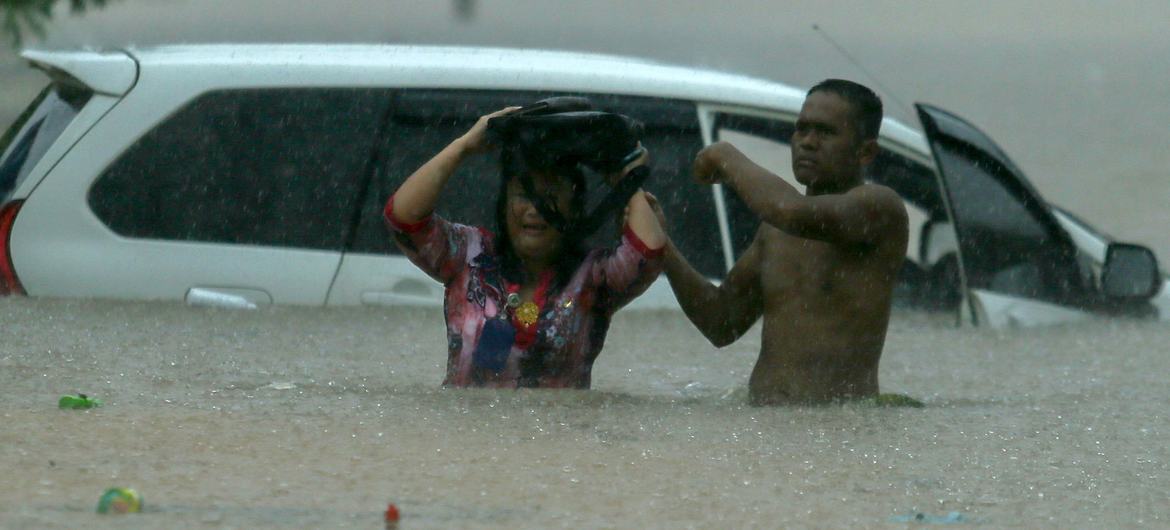
A man helps a woman after her car is stranded in waist-deep water. Globally rains are being more extreme due to impacts of climate change.
© WMO/Teguh Prihatna
 
A man helps a woman after her car is stranded in waist-deep water. Globally rains are being more extreme due to impacts of climate change.


By Vibhu Mishra
21 July 2025 
Climate and Environment

From the Himalayas to rural Texas, deadly floods this month have killed hundreds and exposed dangerous gaps in early warning systems, the UN’s weather agency warned, linking the devastation to rapid urbanization, land-use change and a warming climate that traps more moisture in the atmosphere.

The UN World Meteorological Organization (WMO) said on Monday that more intense downpours and glacier outburst floods are becoming increasingly frequent, with deadly consequences for communities caught off guard.

Flash floods are not new, but their frequency and intensity are increasing in many regions due to rapid urbanization, land-use change and a changing climate,” said Stefan Uhlenbrook, WMO Director of Hydrology, Water and Cryosphere.

Each additional degree Celsius of warming enables the air to hold about 7 per cent more water vapour.

This is increasing the risk of more extreme rainfall events. At the same time, glacier-related flood hazards are increasing due to enhanced ice melting in a warmer climate,” he added.

Thousands of lives lost every year

Floods and flash floods claim thousands of lives each year and cause billions of dollars in damage. In 2020, severe flooding across South Asia killed more than 6,500 people and caused $105 billion in economic losses.

Two years later, catastrophic floods in Pakistan left over 1,700 people dead, 33 million affected and losses exceeding $40 billion, reversing years of development gains.

This year, the onslaught has continued. In July alone, South Asia, East Asia and the United States have seen a string of deadly events, from monsoon rains to glacial lake bursts and sudden flash floods.

Each year, extreme weather and climate events take a massive toll on lives and economies worldwide.
© WMO/Arya Manggala
 
Each year, extreme weather and climate events take a massive toll on lives and economies worldwide.

Asia reels from monsoon onslaught

In India and Pakistan, heavy monsoon rains have severed transport links, washed away homes and triggered landslides. Pakistan declared a state of emergency in its worst-hit areas, deploying military helicopters for rescue missions after forecasters warned of exceptional flood risk along the upper Jhelum River.

The Republic of Korea suffered record-breaking downpours between 16-20 July, with rainfall exceeding 115 mm per hour in some locations. At least 18 people were killed and more than 13,000 were evacuated.

In southern China, authorities issued flash flood and landslide alerts on 21 July, just a day after Typhoon Wipha battered Hong Kong, underscoring the compound risks of sequential storms.

Texas flash flood strikes overnight

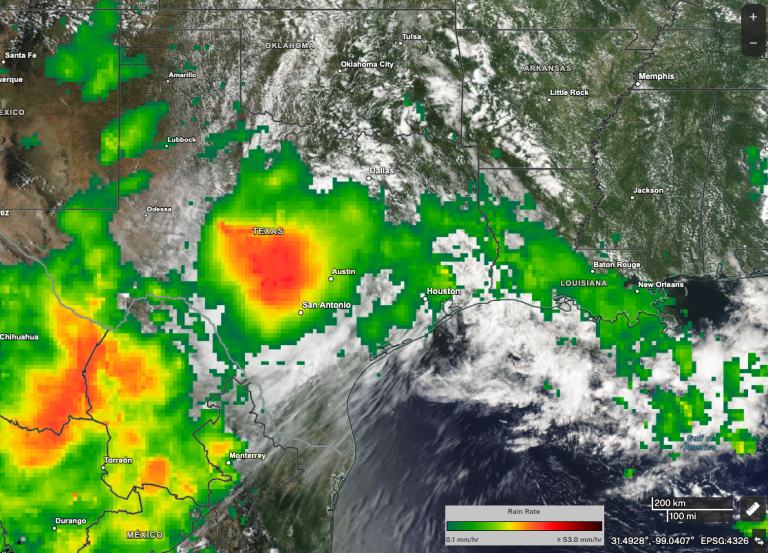
Overnight 3 into 4 July, a sudden deluge turned Texas Hill Country into a disaster zone, killing more than 100 people and leaving dozens missing. In a few hours, 10-18 inches (25–46 cm) of rain swamped the Guadalupe River basin, sending the river surging 26 feet (8 metres) in just 45 minutes.

1-day precipitation totals from NASA’s IMERG multi-satellite precipitation product show heavy rainfall over central Texas on July 4, 2025.
© NASA
 
1-day precipitation totals from NASA’s IMERG multi-satellite precipitation product show heavy rainfall over central Texas on July 4, 2025.

Many of the victims were young girls at a summer camp, caught unaware as floodwaters tore through sleeping quarters around 4 AM. Although the US National Weather Service issued warnings ahead of time, local sirens were lacking and the final alerts came when most were asleep.

Glacier outburst floods surge

Not all floods this month were caused by rain.

In Nepal’s Rasuwa district, a sudden outburst from a supraglacial lake – formed on a glacier’s surface – swept away hydropower plants, a major bridge and trade routes on 7 July. At least 11 people were killed and more than a dozen are reported missing.

Scientists at the International Centre for Integrated Mountain Development (ICIMOD), a WMO partner, say glacial-origin floods in the Hindu Kush-Himalaya region are occurring far more often than two decades ago, when one might strike every five to 10 years.

In May and June 2025 alone, three glacial outburst floods hit Nepal, Afghanistan and Pakistan, with two more in Nepal on 7 July. If warming continues, the risk of such floods could triple by the century’s end.

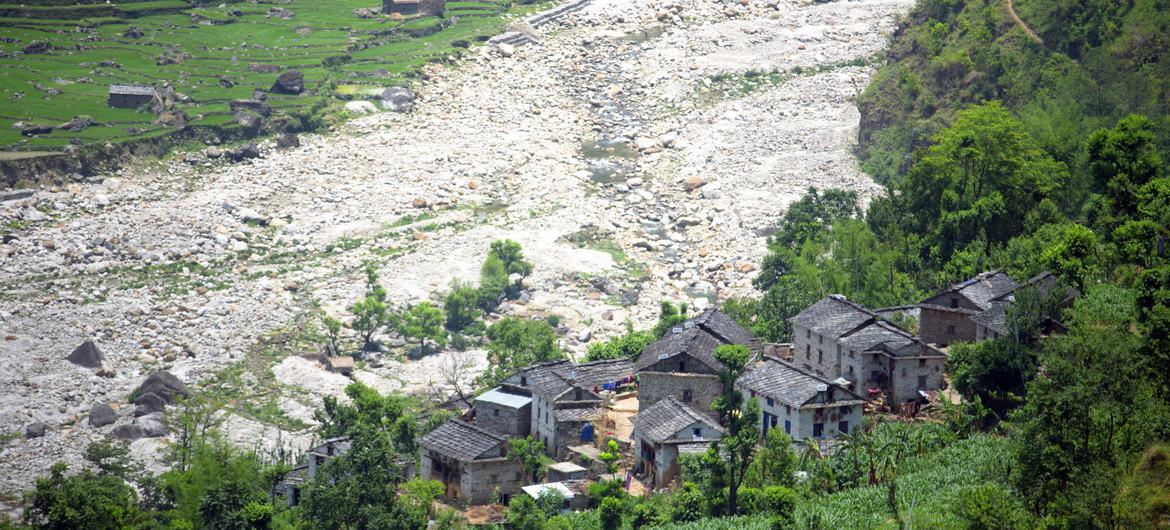
Aftermath of a flood that swept through a high-altitude village in Nepal.
© UNICEF
 
Aftermath of a flood that swept through a high-altitude village in Nepal.

Closing the warning gap

The WMO is stepping up efforts to improve flood forecasting through its global initiative and real-time guidance platform, now used in over 70 countries.

The system integrates satellite data, radar and high-resolution weather models to flag threats hours in advance and is being expanded into a country-led, globally interoperable framework.

A 2022 World Bank study estimated that 1.81 billion people – nearly a quarter of the world’s population – are directly exposed to 1-in-100-year flood events, with 89 per cent living in low- and middle-income countries.

The UN’s Early Warnings for All initiative aims to ensure that everyone, everywhere, is protected by early warning systems by 2027.


https://news.un.org/en/story/2025/07/1165455


https://creativecommons.org/licenses/by/4.0/legalcode

пятница, 11 июля 2025 г.

Overlooked and underestimated: Sand and dust storms wreak havoc across borders


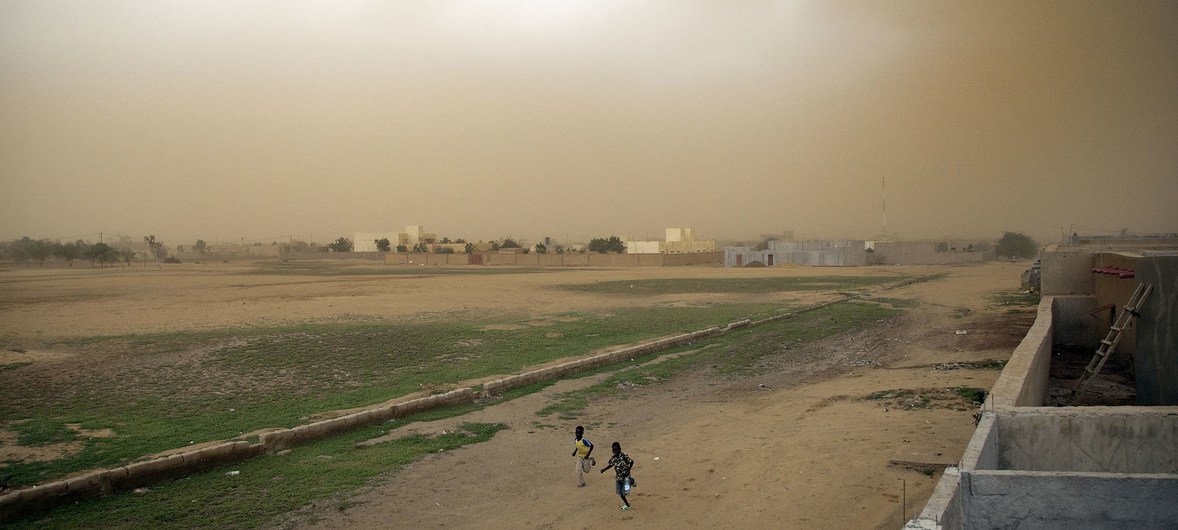
Children run from an approaching sand storm in Gao, Mali.
UN Photo/Marco Dormino
 
Children run from an approaching sand storm in Gao, Mali.


10 July 2025 
Climate and Environment

There are three Great Pyramids at Giza in Egypt - but imagine if there were 307 of the mighty edifices. And then imagine that they had dissolved into over two billion tons of sand and dust particles. 

That’s how much sand and dust enters the atmosphere on an annual basis according to the World Meteorological Organization (WMO)’s annual report on the storms which scatter such particles across borders worldwide.

The UN weather agency’s reports warns that while the amount of dust decreased marginally in 2024, the impact on humans and economies is increasing.

WMO estimates that over 330 million people across 150 countries are affected by sand and dust storms, leading to premature deaths and other health consequences in addition to steep economic costs.

More than just a dark sky 

Sand and dust storms do not just mean dirty windows and hazy skies. They harm the health and quality of life of millions of people and cost many millions of dollars,” said Celeste Saulo, the Secretary-General of WMO.

While the movement of sand and dust is a natural weather process, increased land degradation and water mismanagement have, in the past few decades, exacerbated the prevalence and geographic spread.

Dust and sand particles – 80 per cent of which come from North Africa and the Middle East – can be transported thousands of kilometres across borders and oceans.

Tweet URL

“What begins in a storm in the Sahara, can darken skies in Europe. What is lifted in Central Asia, can alter air quality in China. The atmosphere does not recognize borders,” said Sara Basart, WMO Scientific Officer, at a briefing in Geneva.

And this is precisely what happened in 2024. Dust and sand from the Western Sahara travelled all the way to Spain’s Canary Islands. And fierce winds and drought in Mongolia brought dust to Beijing and northern China.

Fast-growing challenge

“These extreme weather events are not local anomalies. Sand and dust storms are fast becoming one of the most overlooked yet far-reaching global challenges of our time,” said a senior official on Thursday morning speaking on behalf of Philémon Yang, President of the General Assembly.

The storms can obscure sunlight, altering ecosystems on land and in the ocean. In addition to environmental impacts, these weather occurrences have profound impacts on humans and their economies.

“Once considered seasonal or localised, sand and dust storms have escalated into a persistent and intensifying global hazard,” said Rola Dashti, the co-chair of the UN Coalition on Combating Sand and Dust Storms.

Between 2018-2022, over 3.8 billion people were exposed to dust particles, with the worst-affected regions experiencing dust exposure 87 per cent of the time during that same period.

These particles exacerbate cardiovascular diseases and have other adverse health effects, leading to 7 million premature deaths each year especially among already vulnerable populations.

Mr. Yang referred to this as the “staggering human toll”: from an economic perspective, storms can lead to a 20 per cent reduction in crop production among rural communities, pushing them towards hunger and poverty.

In the Middle East and North Africa alone, economic losses in 2024 as a result of sand and dust storms accounted for 2.5 per cent of the regional GDP.

Can’t go it alone

WMO is calling on the international community to invest more in early warning systems and data tracking.

No country, no matter how prepared, can face this challenge alone. Sand and dust storms are a trans-boundary threat that demands coordinated, multisectoral and multilateral action,” said Ms. Dashti.

With 2025-2034 declared the Decade on Combating Sand and Dust Storms, Mr. Yang said this should prove a turning point. He urged Member States to move from awareness to action – and fragmentation to coordination.


https://news.un.org/en/story/2025/07/1165363


https://creativecommons.org/licenses/by/4.0/legalcode

суббота, 7 июня 2025 г.

Green gold beneath the waves: How seaweed – and one man’s obsession – could save the world


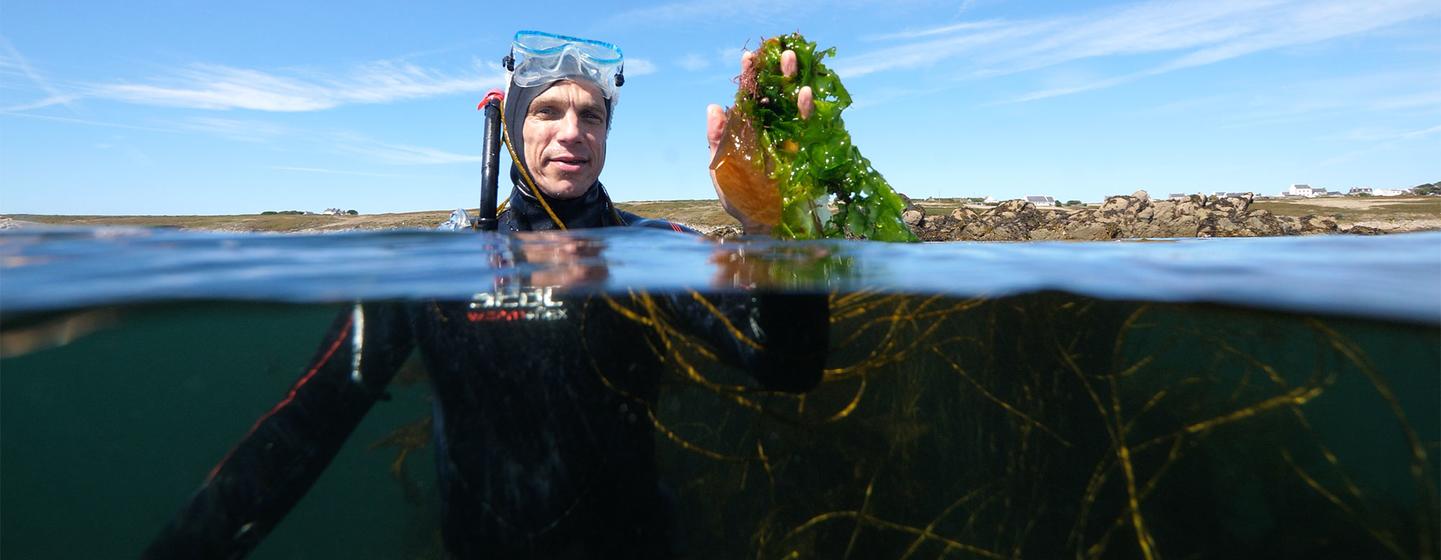
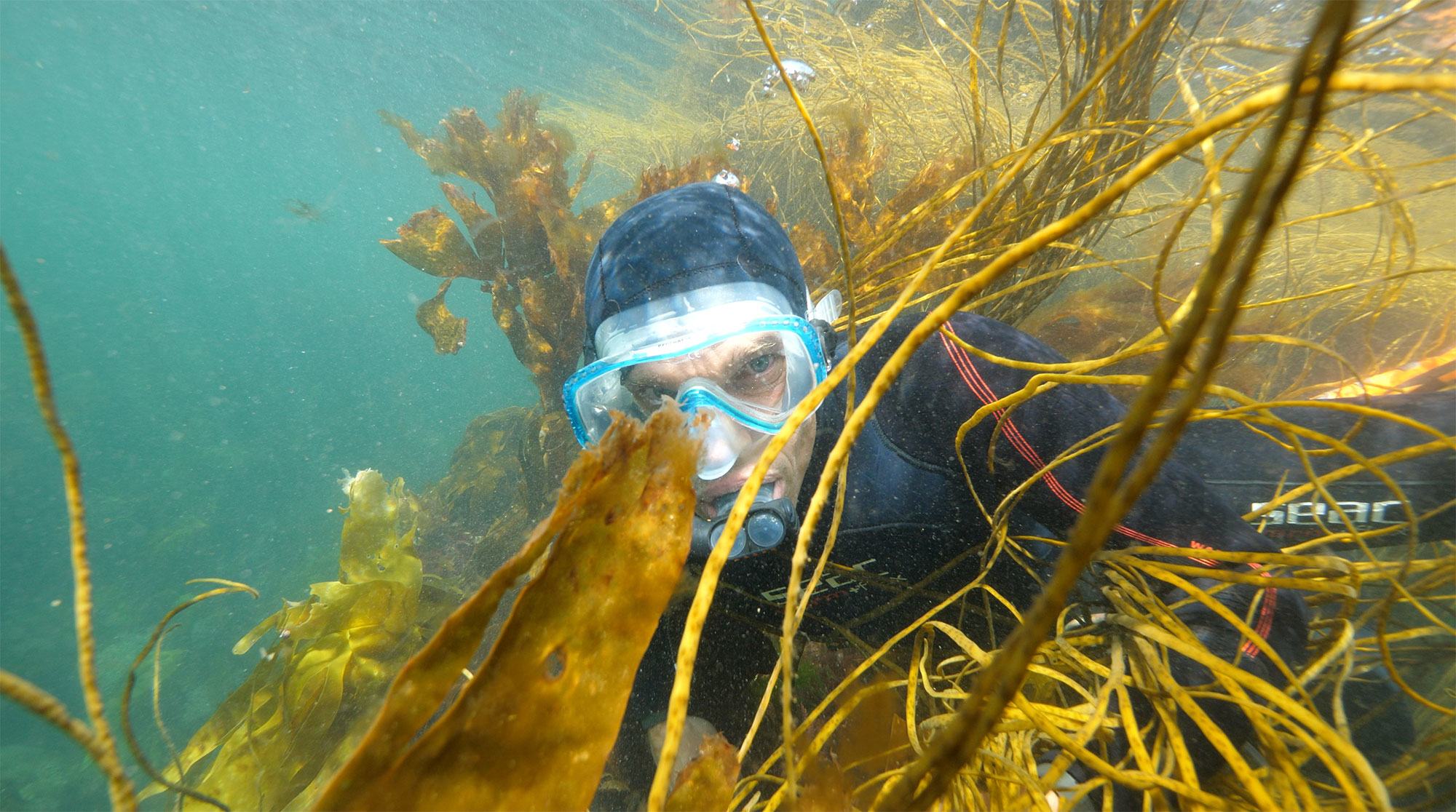
Vincent Doumeizel, a senior adviser to the UN Global Compact, has become one of the faces of the so-called “seaweed revolution.”


© Courtesy of Vincent Doumeizel
 
Vincent Doumeizel, a senior adviser to the UN Global Compact, has become one of the faces of the so-called “seaweed revolution.”


By Fabrice Robinet, our correspondent in Nice
6 June 2025
 Climate and Environment

As world leaders gear up for the Third UN Ocean Conference in Nice, one policy expert is making waves with an ancient marine organism he believes could help feed the planet, clean the air, and transform coastal economies. 

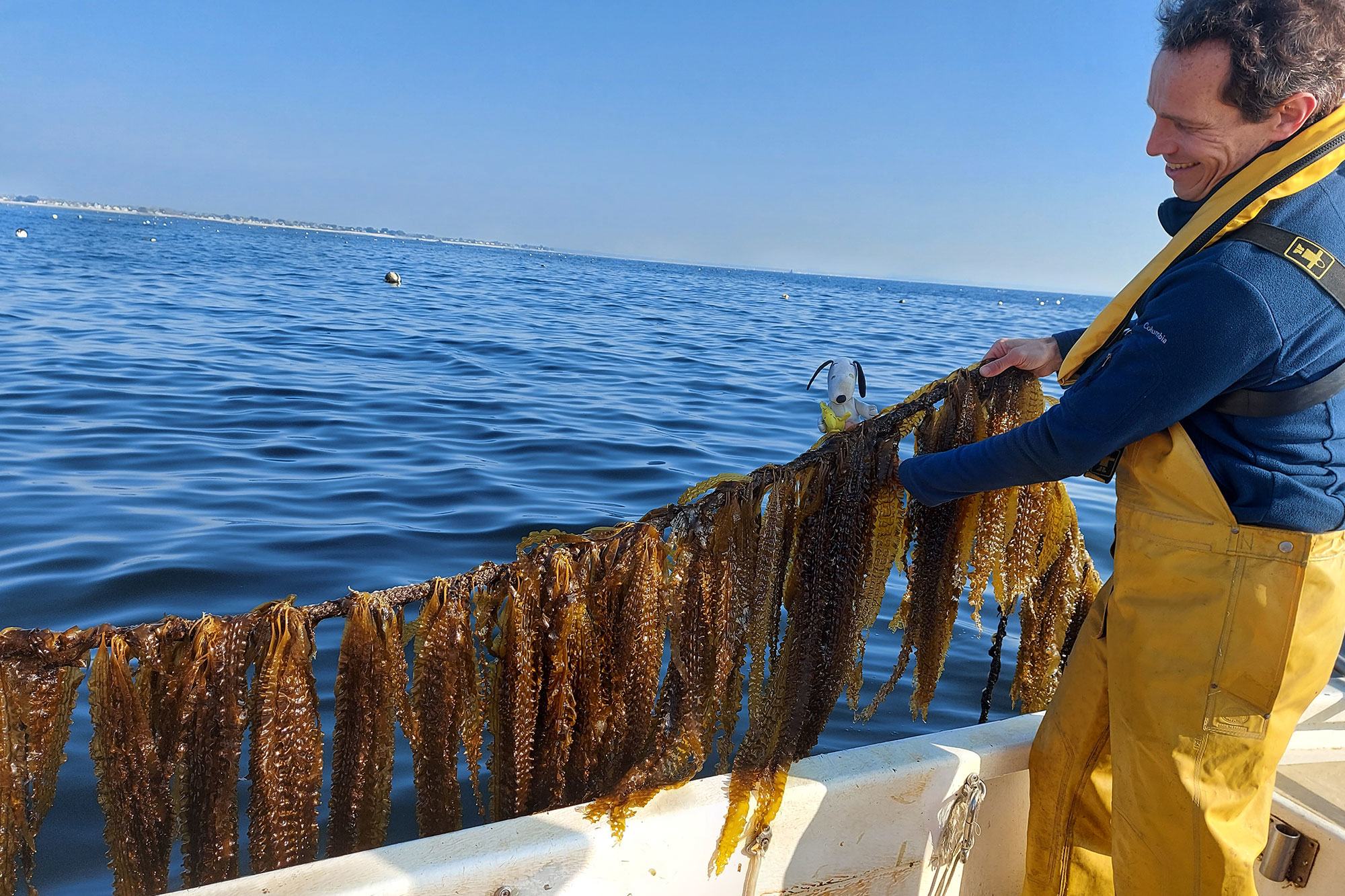
Lesconil, a salt-bitten fishing port tucked into the coast of Brittany, in northern France, stirs slowly under the pale Atlantic dawn. Tide pools shimmer, breathing with the sea — undisturbed but for the cries of seabirds and a lone figure in yellow waders, knee-deep in a forest of seaweed. The man, Vincent Doumeizel, gently lifts a strand of Saccharina latissima from the brine, waving it above the waterline like a revolutionary banner.

“It’s not slimy,” he says of the olive-brown frond glistening in his fingers. “It’s magnificent.”

For Doumeizel, seaweed is more than a marine curiosity. This diverse family of green, red, and brown algae is a cornerstone of his life’s work – a vehicle for feeding the planet, restoring oceans, fighting climate change, and even replacing plastic.

It is, as he likes to say, “not just a superfood, but a super solution.”

A senior adviser to the UN Global Compact, a platform advocating for sustainable corporate practices, the 49-year-old Frenchman has become one of the faces of the so-called “seaweed revolution.”

In 2020, he co-authored The Seaweed Manifesto, a collaborative document involving the Food and Agriculture Organization (FAO), the World Bank and other partners. Its premise is bold: harness the humblest of marine organisms to tackle some of the planet’s most complex problems.

Algae, the manifesto argues, can help solve a quartet of crises – climate, environmental, food, and social. Doumeizel’s personal conviction borders on the messianic. “Undoubtedly,” he wrote in a 2023 book outlining his vision, seaweed is “the world's greatest untapped resource.”

Vincent Doumeizel sometimes speaks of “sea forests” rather than “seaweed” – a linguistic sleight of hand designed to counter the Western bias that sees seaweed as stinky pollution waste.
© Courtesy of Vincent Doumeizel
 
Vincent Doumeizel sometimes speaks of “sea forests” rather than “seaweed” – a linguistic sleight of hand designed to counter the Western bias that sees seaweed as stinky pollution waste.

Algae against apocalypse

Long before trees shaded Pangaea and dinosaurs thundered across its land, seaweed was already swaying in the sunlit shallows of ancient oceans – a silent architect of Earth’s transformation. Born more than a billion years ago, marine algae were among the first complex organisms to harness sunlight through photosynthesis, oxygenating the atmosphere and shaping the conditions for multicellular life.

But Doumeizel is neither a marine biologist nor an agronomist. His background is in food policy.

“I came across world hunger during an early deployment to Africa,” he told UN News. “It left a strong mark.”

Seaweed first sparked Doumeizel’s interest on a subsequent trip to the Japanese island of Okinawa, whose residents have exceptionally long lifespans. He noticed that people there ate a lot of seaweed.

“It was delicious,” he recalled. “And visibly healthy.”

From the northeast Atlantic “sea spaghetti” (Himanthalia elongata), to the Indo-Pacific “green caviar” (Caulerpa lentillifera), and the ubiquitous “sea lettuce” (Ulva lactuca), algae are rich in vitamins, omega-3 fatty acids, fibers, and even proteins.

Humble and often overlooked, these marine vegetables may be one of our most underappreciated sources of nutrition. Despite covering more than 70 per cent of the planet, the ocean contributes only a sliver to the global food supply in terms of calories – a gap that seaweed could help close.

And while agriculture contributes to roughly a quarter of global greenhouse gas emissions, in part due to deforestation for pastures and crops, seaweed cultivation does not require any land, fertilizers or freshwater.

Recent research even suggests that feeding red seaweed to cows could reduce their methane emissions by up to 90 per cent – a potential game-changer in the fight against climate change.

The implications go far beyond the barnyard. The ocean has generated more than half the oxygen we breathe, and it absorbs about a third of all man-made emissions. Seaweed plays a part in this process, capturing more carbon per acre than land vegetation. Some species, like “giant kelp” (Macrocystis pyrifera), can grow at an astonishing rate of two feet per day, making them powerful carbon sinks.

Seaweed can also be extracted and transformed into bioplastics, biofuels, textiles, and even pharmaceuticals.

“We can change the paradigm by encouraging seaweed cultivation,” Doumeizel said.

Algolesko, off the coast of Lesconil, in Brittany, is one of the largest seaweed farms in continental Europe, with 150 hectares of organic Laminaria culture.
© Courtesy of Vincent Doumeizel
 
Algolesko, off the coast of Lesconil, in Brittany, is one of the largest seaweed farms in continental Europe, with 150 hectares of organic Laminaria culture.

A growing, yet under-regulated industry

When we met Doumeizel in Nice ahead UNOC3, the shorthand by which the third UN Ocean Conference is known, he was coming from the launch, two days earlier, of his comic book. The Seaweed Revolution is a 128-page dive into the life of an algae enthusiast also named Vincent “involved with the UN Ocean Forum.”

In real life, Doumeizel is as passionate and buoyant as on his TED Talk videos or keynote addresses.

“I could eat those,” he says, holding up a pair of sunglasses — sleek, black, and entirely made from plankton. Perched on a sunlit ledge above the Mediterranean, Doumeizel becomes part showman, part prophet, as he unpacks a series of seaweed-born wonders: a biodegradable garbage bag that looks indistinguishable from plastic, a soft green T-shirt spun from algae fibers, and, with a grin, an edible copy of his own book, The Seaweed Revolution. “All of this,” he says, gesturing to the strange little tableau at his feet, “could be made of seaweed.”

While the world’s salty waters are home to 12,000 different known species of seaweed, so far humans are only able to actively cultivate less than a couple dozen of them – a practice known as kelp farming.

Algolesko, in Brittany, is one of the largest seaweed farms in continental Europe. The morning when Doumeizel could be seen lifting a brown algae from the Atlantic Ocean, he was doing so from the farm’s 150 hectares of organic culture.

As co-head of the Global Seaweed Coalition, which is roughly 2,000-members strong and hosted by the UN Global Compact, Doumeizel travels around the world for speaking engagements, from Patagonia to Tunisia, Madagascar, and Australia. Each stop is also an opportunity to explore local seaweed production.

According to a concept paper written by the UN ahead of Nice’s Ocean Conference, the seaweed industry is on the rise. Production of marine algae more than tripled since 2000, up to 39 million tonnes a year, the overwhelming majority of which comes from aquaculture. It has become a $17 billion market, and current investments in bio stimulants, bioplastics, animal and pet foods, fabrics, and methane reducing additives could add another $12 billion annually by 2030.

Yet the path forward is not simple. “There is generally a lack of legislation and guidance,” notes the UN document. “There are currently no Codex Alimentarius standards establishing any food safety criteria for seaweed or other algae.”

Doumeizel agrees. The global seaweed industry, he said, is still fragmented and largely dominated by Asia, where the production of nori, the kind of seaweed used in sushi, was already a hugely profitable business. But, he added, so much more could be done with the resource.

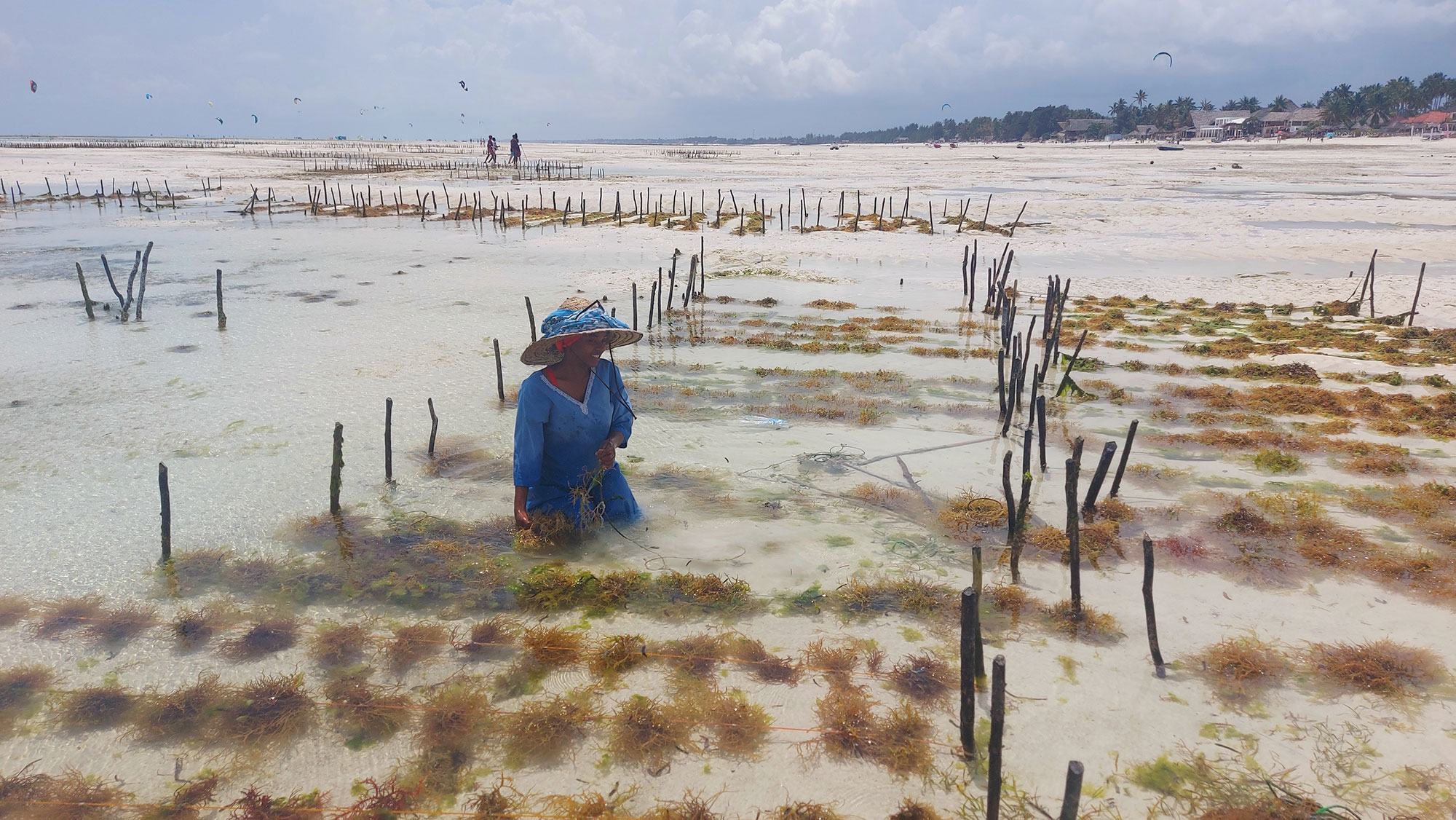
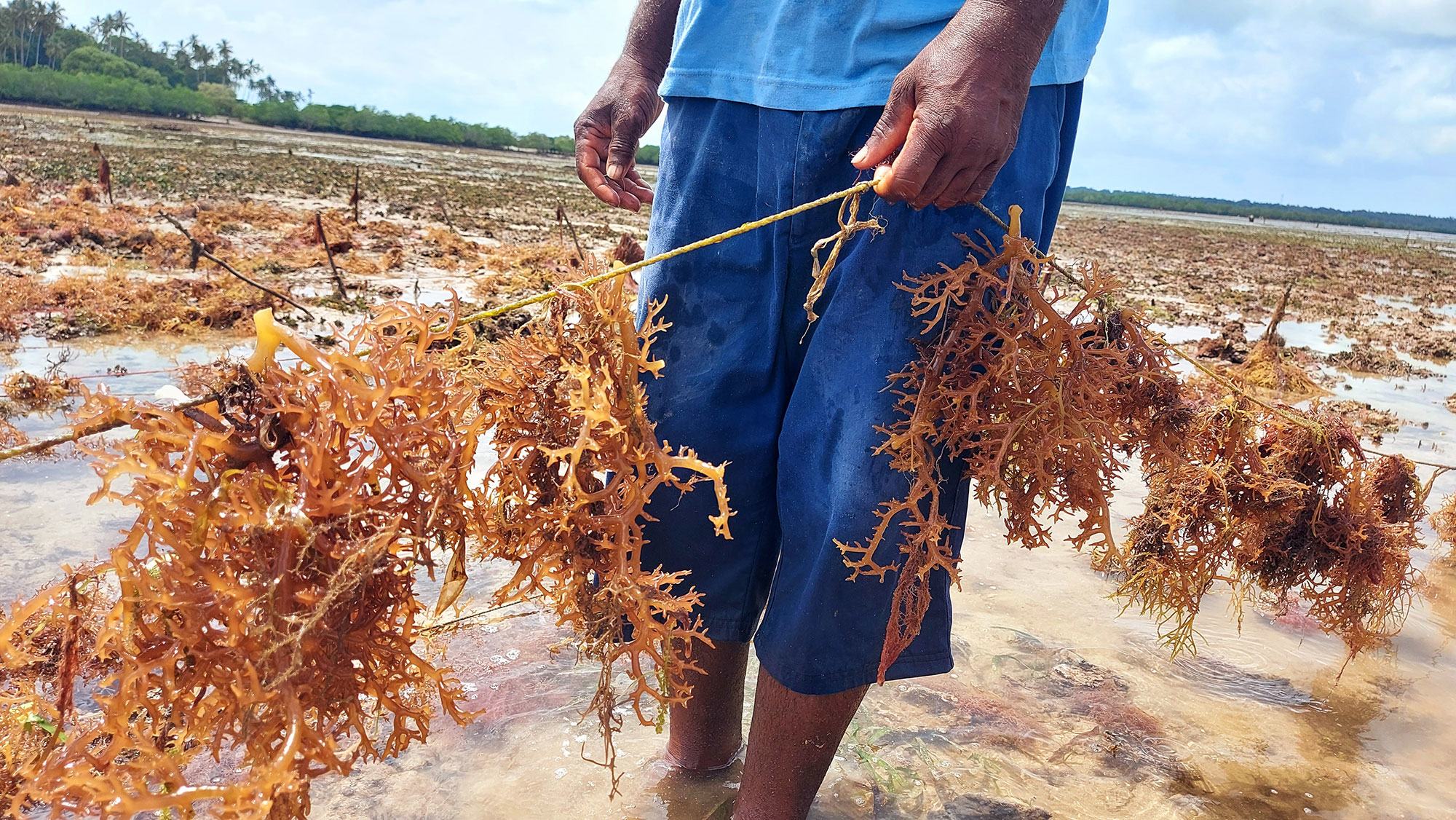
On the island of Zanzibar, the seaweed boom began with a surge in demand for food texturizers made of algae. Widows and single women quickly stepped up.
© Courtesy of Vincent Doumeizel
 
On the island of Zanzibar, the seaweed boom began with a surge in demand for food texturizers made of algae. Widows and single women quickly stepped up.

Reducing gender inequality

Beyond its environmental promise and nutritional punch, seaweed is quietly driving a feminist transformation. According to the concept paper, about 40 per cent of seaweed start-ups worldwide are led by women.

“In Tanzania, a largely patriarchal society, the seaweed trade has changed lives,” said Doumeizel. The boom began with a surge in demand for food texturizers made of algae. Widows and single women quickly stepped up. On the island of Zanzibar, seaweed is now the third-largest resource, and women retain nearly 80 per cent of the profits.

“They built schools. They sent their daughters to those schools. They fought for a place in the markets to sell their harvests,” Doumeizel said. “They even bought motorcycles.”

The ripple effects have reached the highest levels of power: the current President of Tanzania is a woman from Zanzibar.

But climate change is pushing the industry into deeper waters – quite literally. As sea temperatures rise, the algae can no longer be cultivated close to shore. “Now, women have to venture farther out,” Doumeizel explained. “But most don’t know how to swim or steer a boat.”

To help preserve both livelihoods, the Global Seaweed Coalition is funding a new initiative to teach women maritime skills – swimming, boating, navigation. “We have to make sure this revolution leaves no one behind,” the Frenchman said.

The threat of climate change

If seaweed offers a promising solution to climate change, it is also one of its quietest victims. As atmospheric carbon dioxide climbs, the ocean grows warmer and more acidic – conditions that are already eroding marine ecosystems and triggering the widespread loss of seaweed habitats.

In places like California, Norway, and Tasmania, more than 80 per cent of kelp expanses have vanished in recent years, driven not only by climate change, but also pollution, and overfishing.

In interviews, Doumeizel sometimes speaks of “sea forests” rather than “seaweed” – a linguistic sleight of hand designed to counter the Western bias that sees seaweed as stinky pollution waste rather than threatened organisms.

“Preserving them is just as necessary to life on Earth as saving the forests of the Amazon,” he wrote in his book.

At UNOC3, which opens on Monday, Doumeizel will unveil a new initiative: the creation of a UN Seaweed Task Force. Designed to consolidate global efforts around regulation, research, and development, the task force would bring together six UN agencies – the Food and Agriculture Organization (FAO), the Global Compact, the UN Environment Programme (UNEP), the UN trade and development body (UNCTAD), the United Nations Educational, Scientific and Cultural Organization (UNESCO), and the UN Industrial Development Organization (UNIDO).

Its aim is ambitious: to give seaweed the institutional muscle it has long lacked. By centralizing expertise and setting global standards, the task force could help scale up the industry responsibly – and sustainably.

The proposal already has the backing of several countries, including Madagascar, Indonesia, South Korea, and France. Together, they plan to introduce a draft resolution at the UN General Assembly this fall, with a vote expected in 2026.

On the island of Zanzibar, seaweed is now the third-largest resource.
© Courtesy of Vincent Doumeizel
 
On the island of Zanzibar, seaweed is now the third-largest resource.

From bloom to boom

Sometimes, the revolution doesn’t arrive in neat rows of aquafarms. It comes in 6,000-mile-wide blobs.

In the spring of 2025, a vast bloom of sargassum – a free-floating brown algae known for its sprawling mats – blanketed the Atlantic, clogging beaches from the Gulf of Mexico to the shores of West Africa. Florida's shore became inundated with the plant, whose pungent smell was deterring tourists. Coastal communities scrambled to manage the deluge.

Yet, Vincent Doumeizel saw not just crisis but opportunity. “These massive blooms are caused by pollution and climate change,” he noted. “But if we manage and understand them properly, they could become a sustainable resource, turned into fertilizers, bricks, even textiles.”

The vision is part redemption, part alchemy. Turning oceanic overgrowth into solutions may seem far-fetched. But then again, so does the idea that seaweed could replace beef – or plastic.

Roughly 12,000 years ago in the Middle East, Homo sapiens ceased to be hunter-gatherers. “We became farmers cultivating plants to feed our animals and our families,” Doumeizel wrote in his book. “Meanwhile, at sea, we are still Stone Age hunter-gatherers.”

But what if we could farm the ocean – not to exploit it, but to heal it? It’s not just a rhetorical question. It’s an invitation. And perhaps, a final warning.


https://news.un.org/en/story/2025/06/1164131


https://creativecommons.org/licenses/by/4.0/legalcode

воскресенье, 1 июня 2025 г.

‘This is not just ice’: Glaciers support human livelihoods, UN deputy chief says

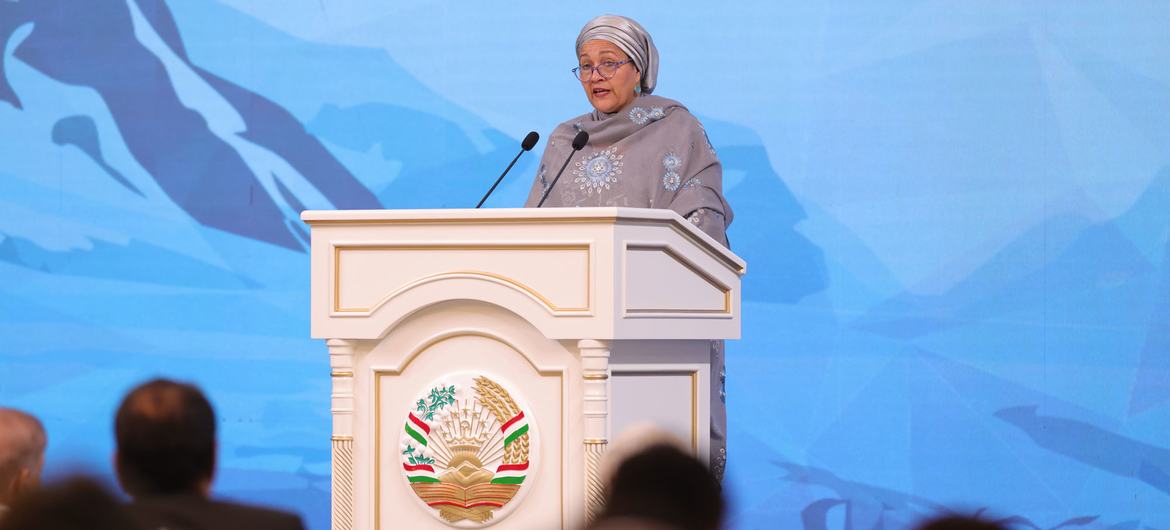
Deputy Secretary-General Amina Mohammed delivers remarks at the opening ceremony of the International  Conference on Glacier's Preservation in Tajikistan.
UN Tajikistan
 
Deputy Secretary-General Amina Mohammed delivers remarks at the opening ceremony of the International Conference on Glacier's Preservation in Tajikistan.


30 May 2025

 Climate and Environment

UN Deputy Secretary-General Amina Mohammed called for urgent action to protect water-related ecosystems in remarks to the International Conference on Glaciers’ Preservation in Dushanbe, Tajikistan, on Friday.

She said that since 1975, glaciers have lost more than 9,000 billion tons of ice -  equivalent to a 25-metre-thick block covering all of Germany.

“At current rates, many glaciers may not survive this century, reshaping landscapes, ecosystems, livelihoods and water security on a global scale,” she warned.

“This is not just a mountain crisis – it is a slow-moving global catastrophe with far-reaching consequences for planet and people.”

Not just ice

Ms. Mohammed was speaking a day after visiting the Vanj Yakh Glacier in north-central Tajikistan where she witnessed the “breathtaking beauty” of this crucial mass of dense ice.  

The glacier is a vital water source for many communities in Central Asia, feeding rivers and helping to sustain millions of lives and livelihoods.

But due to climate change, it is melting. Quickly. Over the past 80 years, it lost the equivalent of 6.4 million Olympic sized pools of water.

Tweet URL

The International Conference on Glaciers’ Preservation, held 29 May to 1 June in Tajikistan’s capital, is highlighting the ways in which glacier retreat threatens lives and livelihoods worldwide.

“This is not just ice. This is food, water and security for generations to come,” said Ms. Mohammed.

‘Our glaciers are dying’

Glaciers, along with ice sheets, store approximately 70 per cent of the world’s freshwater, making them essential for human survival and economies. But five of the past six years have witnessed the most rapid glacier retreat on record.

“Our glaciers are dying,” said Celeste Saulo, Secretary-General of the World Meteorological Organization (WMO), a co-organizer of the conference.

“The death of a glacier means much more than the loss of ice. It is a mortal blow to our ecosystems, economies, and social fabric.”

Melting glaciers increase the likelihood and severity of floods and mudslides, in addition to impacting various industries such as agriculture and forestry.  

Bridging science and action 

Ms. Mohammad said that the rate of glacier retreat means that the international community must take immediate action. 

“The time to act is now for our people and our planet,” she said.  

The conference in Dushanbe has worked to elevate glacier preservation to the top of the worldwide climate agenda ahead of the UN COP30 climate change conference in Brazil this November.

Ms. Saulo emphasized that strengthening glacier monitoring and improving warning systems for glacier collapse will help “bridge science and services.” She also said that this must all translate into concrete action to slow glacier retreat.  

In Tajikistan specifically, Parvathy Ramaswami — the UN Resident Coordinator in the country — said that they have focused on supporting farmers through training and knowledge transfer for local communities.  

“[The training] means that more children are safe from disasters, they can go to school, learn and grow,” she explained. “Families and communities become resilient and prosper.” 

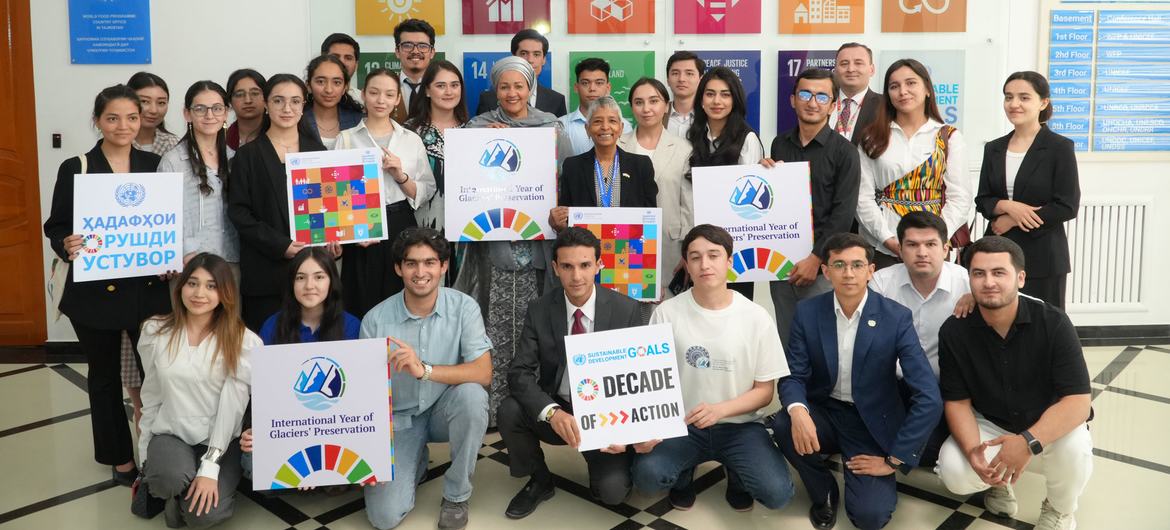
Deputy Secretary-General Amina Mohammed (centre) with Model UN youths and Ambassador for a Day in Tajikistan.
UN Tajikistan
 
Deputy Secretary-General Amina Mohammed (centre) with Model UN youths and Ambassador for a Day in Tajikistan.

Intergenerational conversations

In Tajikistan, the Deputy Secretary-General met with many youth climate activists. She emphasized that actions to address glacier retreat must be intergenerational, much like the conversations which the conference encouraged. 

“The global decisions we are shaping today will affect [young people’s] lives. So to think that we can begin to shape a person's future without them, really doesn't bode well for the rights that they have to determine their future, their aspirations,” she said.

In giving advice to younger generations, she expressed hope that young activists would continue to advocate for their vision of the future. 

“They should continue to raise their voices, they should continue to have their courage of conviction, they should remember that this is about a life journey and they need to make every step count.” 

https://news.un.org/en/story/2025/05/1163896

https://creativecommons.org/licenses/by/4.0/legalcode

среда, 28 мая 2025 г.

UN aims to transform urgency into action at Nice Ocean Conference


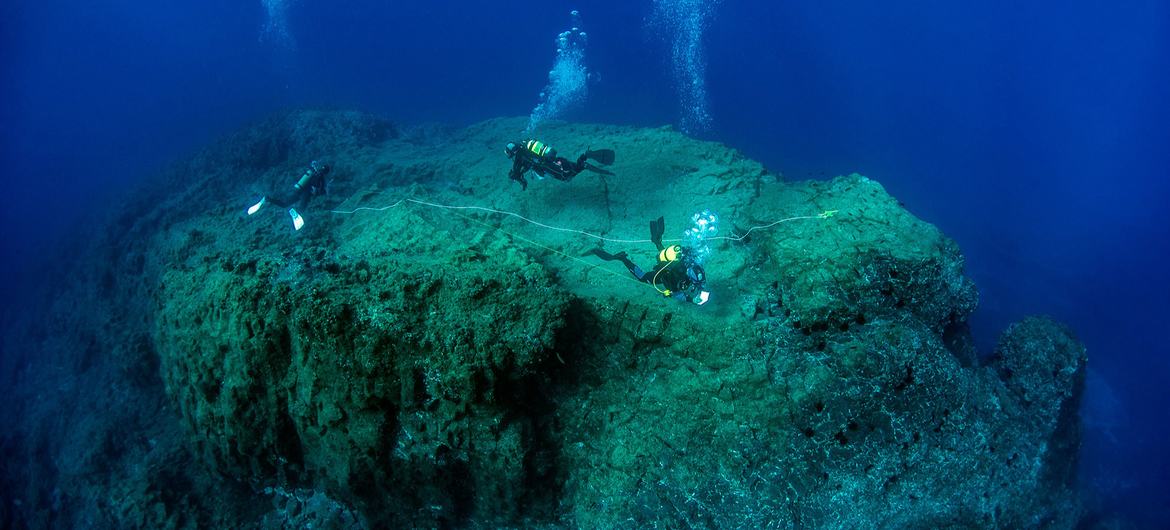
A team of scientific divers assess the marine biodiversity on the top of a seamount in Porto Santo, Madeira, Portugal.
© Nuno Vasco Rodrigues/UN World Oceans Day 2023
 
A team of scientific divers assess the marine biodiversity on the top of a seamount in Porto Santo, Madeira, Portugal.


27 May 2025
 Climate and Environment

Countries are uniting in the French city of Nice next month to save the marine environment. 

The third United Nations Ocean Conference (UNOC 3) from 9-13 June will bring together Heads of State, scientists, civil society and business leaders around a single goal: to halt the silent collapse of the planet's largest – and arguably most vital – ecosystem.

The ocean is suffocating due to rising temperatures, rampant acidification, erosion of biodiversity, plastic invasion, predatory fishing.

‘A state of emergency’

Our planet’s life support system is in a state of emergency,” said Li Junhua, head of the UN Department of Economic and Social Affairs (DESA) and the Secretary-General of the upcoming summit. 

Tweet URL

He insisted that there is still time to change course.

The future of the ocean is not predetermined.  It will be shaped by the decisions and actions that we are making now,” Mr. Li said on Tuesday during a press briefing at UN Headquarters in New York. 

In the eyes of the senior official, UNOC 3 “will not be just another routine gathering.” 

“We hope that it proves to be the pivotal opportunity to accelerate action and mobilize all stakeholders across the sectors and borders.”

World-class conference

More than 50 world leaders are expected on the Côte d’Azur, alongside 1,500 delegates from nearly 200 countries. 

The programme includes 10 plenary meetings, 10 thematic roundtables, a blue zone reserved for official delegations, and a series of parallel forums during five days of negotiations.

For France, which is co-hosting the conference alongside Costa Rica, the challenge is clear: to make Nice a historic milestone. 

“This is an emergency,” declared Jérôme Bonnafont, Permanent Representative of France to the UN, during the press conference.

“An ecological emergency: we are witnessing the deterioration of the quality of the oceans as an environment, as a reservoir of biodiversity, as a carbon sink.”

France hopes to make the conference a turning point and the goal “is to produce a Nice agreement that is pro-oceans, as the Paris Agreement 10 years ago now was for the climate.” 

This agreement will take the form of a Nice Action Plan for the Ocean, a “concise action-oriented declaration,” according to Mr. Li, accompanied by renewed voluntary commitments.

Three milestones

Three events will prepare the ground for UNOC 3.

The One Ocean Science Congress, from 4-6 June, will bring together several thousand researchers. The Summit on Ocean Rise and Coastal Resilience to be held the following day will explore responses to rising sea levels. Finally, the Blue Economy Finance Forum, on 7-8 June in Monaco, will mobilize investors and policymakers.

For Costa Rican Ambassador Maritza Chan Valverde, there is no more time for procrastination.

We're expecting concrete commitments with clear timelines, budgets and accountability mechanisms. What is different this time around, zero rhetoric, maximum results,” she said.

'Transform ambition into action'

The conference's theme Accelerating Action and Mobilizing All Stakeholders to Conserve and Sustainably Use the Ocean will address several topics, ranging from sustainable fishing to marine pollution and the interactions between climate and biodiversity.

This is our moment to transform ambition into action,” Mr. Li concluded, calling for governments, businesses, scientists, and civil society to come together in a common spirit. 

He also praised the “visionary leadership” of France and Costa Rica, without whom this large-scale mobilization would not have been possible.

A slogan promoted by Costa Rica seems to sum up the spirit of the summit: “Five days. One ocean. One unique opportunity.” 


https://creativecommons.org/licenses/by/4.0/legalcode

https://news.un.org/en/story/2025/05/1163746

четверг, 22 мая 2025 г.

Biodiversity loss demands urgent global action, says UN chief

A tiger cools off in a stream on a hot day in Chitwan National Park, Nepal. Thanks to efforts by local communities and the government, the park’s tiger population has rebounded but the species remains critically endangered.
UN News/Vibhu Mishra
 
A tiger cools off in a stream on a hot day in Chitwan National Park, Nepal. Thanks to efforts by local communities and the government, the park’s tiger population has rebounded but the species remains critically endangered.
By Vibhu Mishra
21 May 2025 
Climate and Environment

UN Secretary-General António Guterres has called on countries to radically rethink their relationship with nature, warning that biodiversity loss is a global crisis no nation can ignore.

In a message marking Thursday’s International Day for Biological Diversity, the UN chief raised alarm over the “lightning pace” of degradation of the natural world.

Biodiversity is the bedrock of life and a cornerstone of sustainable development,” Mr. Guterres said.

Yet humanity is destroying biodiversity at lightening pace, the result of pollution, climate crisis, ecosystem destruction and – ultimately – short-term interests fuelling the unsustainable use of our natural world.”

He stressed that no country, “however rich or powerful,” can address the crisis in isolation, nor thrive without the ecological richness that defines life on Earth.

Alarm bells ringing

The International Day comes amid stark concern for the future: one million species are at risk of extinction, 75 per cent of land ecosystems and two-thirds of marine environments have been significantly altered by human activity.

Furthermore, if current trends continue, progress towards eight of the 17 Sustainable Development Goals (SDGs) could be jeopardized.

Mr. Guterres called for urgent implementation of the Kunming-Montreal Global Biodiversity Framework, the landmark agreement adopted to halt and reverse nature loss by 2030.

This includes delivering on national biodiversity action plans, scaling finance for conservation, shifting harmful subsidies, and supporting local communities, Indigenous Peoples, women and youth.

Live in harmony with nature

Biological diversity underpins food security, livelihoods, health and climate resilience.

Roughly three billion people eat fish for 20 a per cent of their animal protein intake, and 80 per cent of rural populations in developing countries rely on plant-based medicine.

Yet the destruction of natural habitats is also increasing the risk of zoonotic disease transmission, making biodiversity preservation a key factor in global health.

Living in harmony with nature and sustainable development is humanity’s path to a better world for all,” Mr. Guterres said, echoing this year’s theme.

“Together, let us take it.”

The International Day

The UN officially designated 22 May as the International Day for Biological Diversity in 2000 to increase understanding and awareness of biodiversity issues.

The date marks the adoption of the Convention on Biological Diversity in 1992.

https://news.un.org/en/story/2025/05/1163561

https://creativecommons.org/licenses/by/4.0/legalcode
суббота, 17 мая 2025 г.

‘On thin ice’: UN chief sounds alarm over rapid Himalayan glacier melt


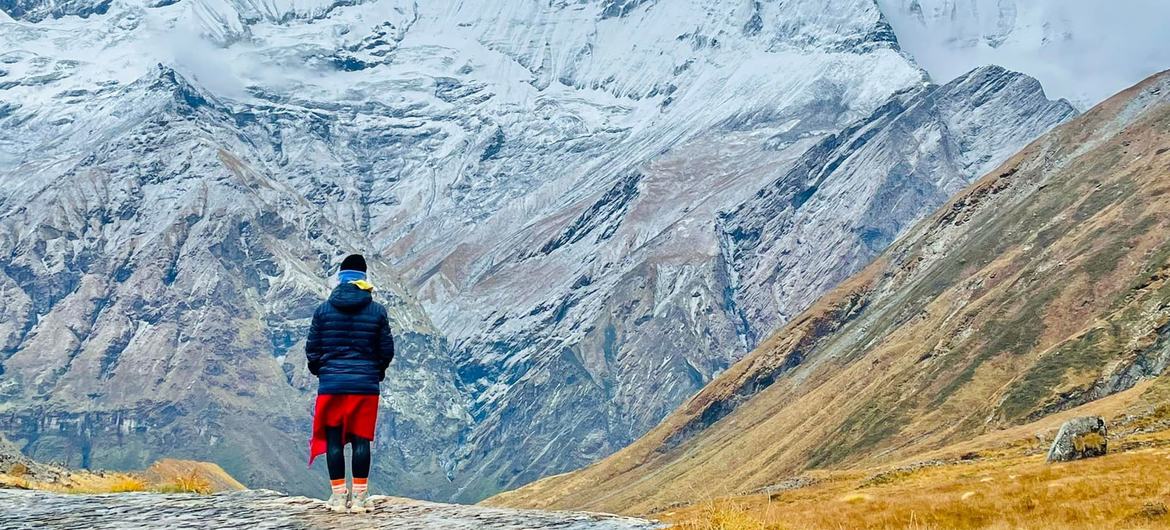
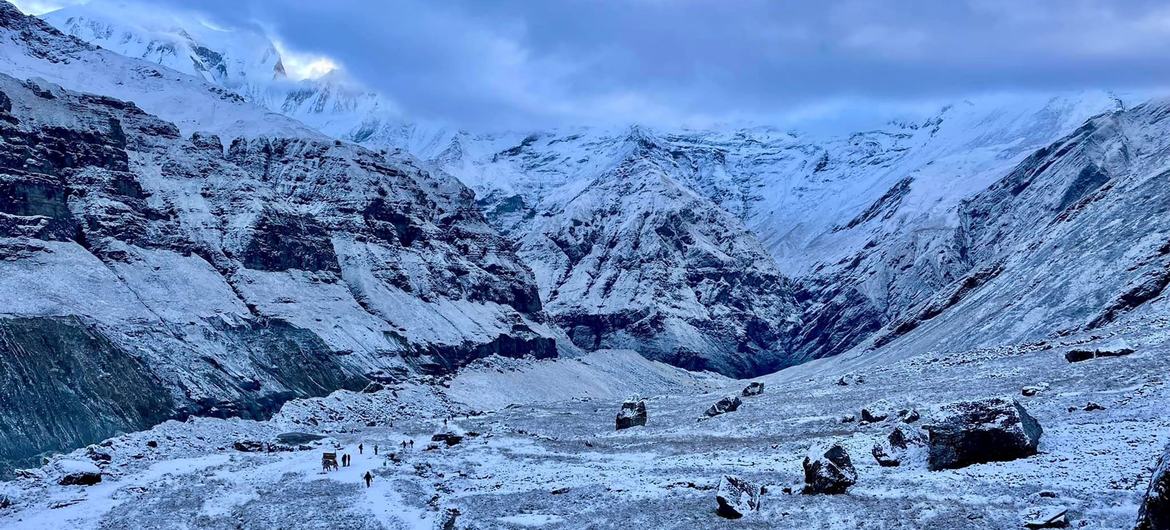
Mountains in Nepal’s Annapurna range, where glaciers are retreating and snow lines are rising due to climate change.
UN News/Vibhu Mishra
 
Mountains in Nepal’s Annapurna range, where glaciers are retreating and snow lines are rising due to climate change.


By Vibhu Mishra
16 May 2025 
Climate and Environment

The United Nations Secretary-General warned on Friday that Himalayan glaciers are “caving in,” urging immediate action to address the climate crisis, especially in the world’s most fragile ecosystems.

António Guterres issued the warning in a video message to the inaugural Sagarmatha Sambaad, or “Everest Dialogue,” convened by the Government of Nepal in Kathmandu.

Record temperatures have meant record glacier melt,” he said.

“Nepal today is on thin ice – losing close to one-third of its ice in just over thirty years. And your glaciers have melted 65 per cent faster in the last decade than in the one before.”

Named after Mount Everest (Sagarmatha in Nepali), the international platform convened ministers, parliamentarians, climate experts, and civil society to focus on climate change, mountain ecosystems, and sustainability.

Secretary-General's video message.

Two billion futures at stake

Glaciers in the region have served for centuries as vital freshwater reservoirs. Their accelerated melt now threatens not only local communities but vast populations downstream who rely on Himalayan-fed rivers.

Reduced water flow in river systems such as the Ganges, Brahmaputra and Indus threatens not only water but also food production for nearly two billion people across South Asia.

Combined with saltwater intrusion, this could trigger collapsing deltas and mass displacement, the UN chief warned.

“We would see low-lying countries and communities erased forever,” he said.

Children raise their voices

Ahead of the summit, Nepal’s children and youth stepped into the spotlight with their own call to action.

In a declaration submitted to the dialogue, over 100 children and young people demanded urgent and inclusive climate action that recognizes them as rights-holders and climate actors – not just passive victims.

Among their key demands: ensuring child participation in climate decisions, supporting youth-led programmes, and promoting their innovations and climate action.

The climate crisis is a child rights crisis – disproportionately impacting their health, nutrition, education and well-being,” said Alice Akunga, head of the UN Children’s Fund (UNICEF) in Nepal, which supported the deliberations.

“Listening to the voices of the ‘future of humanity’ is critical to designing and implementing meaningful and lasting solutions to address the adverse effects of climate change on children and youth.”

Glaciers in the high Himalayas, like those in Nepal’s Langtang region (pictured), feed major South Asian river systems sustaining tens of millions of lives and livelihoods downstream
UN News/Vibhu Mishra
 
Glaciers in the high Himalayas, like those in Nepal’s Langtang region (pictured), feed major South Asian river systems sustaining tens of millions of lives and livelihoods downstream

Stop the madness

In his message, Mr. Guterres reiterated his call on the world to “stop the madness” of fossil fuel-driven global warming, a warning he made during his previous visit to the Everest region in 2023.

At the time, he stood amid glacial basins in the Himalayas, warning that the “rooftops of the world” were rapidly vanishing.

“And that is why you are gathered together focused on Sambaad – dialogue,” the UN chief said on Friday, applauding Nepal’s climate leadership, including reforestation programmes, early warning systems and its goal to achieve net-zero emissions by 2045.

Act now

The world must act without delay to limit global temperature rise to 1.5°C, he continued – the target set by the Paris Agreement on climate change – with the biggest emitters leading the way.

This includes investing in renewable energy, fulfilling the $1.3 trillion climate finance goal agreed at COP29, doubling adaptation finance to at least $40 billion this year as pledged by developed countries, and providing robust, sustained support to the Loss and Damage Fund.

Achieving these goals demands bold collaboration,” Mr. Guterres concluded. “The United Nations is your ally in this essential task.”


https://news.un.org/en/story/2025/05/1163376


https://creativecommons.org/licenses/by/4.0/legalcode