Избранное сообщение

Показаны сообщения с ярлыком Health. Показать все сообщения

четверг, 24 октября 2024 г.

85 percent of children affected by polio in 2023 lived in fragile and conflict-affected areas: UNICEF


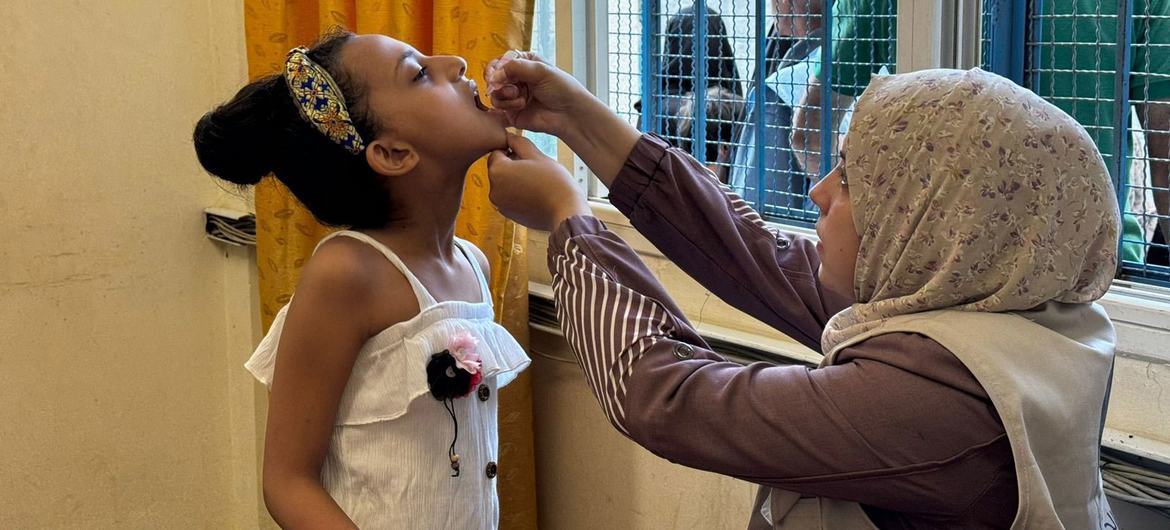
A child receives the polio vaccine in Gaza.
© WHO
 
A child receives the polio vaccine in Gaza.


23 October 2024
 Health

Countries facing conflict, natural disasters and humanitarian crises are struggling to provide routine childhood immunisations leaving many children vulnerable to the resurgence of polio, the UN Children’s Fund (UNICEF) warned in new report. 

On World Polio Day, UNICEF has issued a stark warning: polio cases in fragile and conflict-affected countries have more than doubled over the past five years, with 85 per cent of the children affected by the disease in 2023 living in these regions. 

“In conflict, children face more than bombs and bullets; they are at risk of deadly diseases that should no longer exist,” said UNICEF Executive Director Catherine Russell. A new analysis from the agency highlights that vaccination coverage has dropped from 75 to 70 per cent, far below the 95 percent needed to achieve community immunity. 

“In many countries, we are witnessing the collapse of healthcare systems, destruction of water and sanitation infrastructure, and the displacement of families, triggering a resurgence of diseases like polio,” she continued.

Impact on conflict-affected countries 

The resurgence of polio has been most pronounced in conflict zones. Of the 21 countries currently battling polio, 15 are fragile or conflict-affected, including Afghanistan, the Democratic Republic of Congo, Somalia, South Sudan, and Yemen.

In Gaza, following the return of polio to the region for the first time in 25 years, UNICEF and the World Health Organization (WHO) launched an emergency polio vaccination campaign in September, reaching nearly 600,000 children under 10 years old. However, renewed bombings and mass displacement have delayed the campaign’s completion in northern Gaza.  

Soundcloud

Humanitarian pauses critical

The UNICEF report stresses that successful polio vaccination campaigns in fragile and conflict-affected countries are crucial to suppressing further outbreaks. Humanitarian pauses, allowing healthcare workers to safely access affected communities, are essential for these efforts.

UNICEF, which delivers over one billion doses of polio vaccines annually, called on governments and international partners to take urgent action to halt the spread of the disease.

‘The final push’

“The spread of polio not only puts children in affected countries at immediate risk but also poses a growing threat to neighbouring countries,” added Ms. Russell.

“The final push is the hardest, but now is the time to act. We cannot rest until every child, in every corner of the world, is safe from polio – once and for all.”  


https://news.un.org/en/story/2024/10/1156041


https://creativecommons.org/licenses/by/4.0/legalcode

пятница, 27 сентября 2024 г.

LIVE: World leaders adopt declaration to tackle growing threat of superbugs


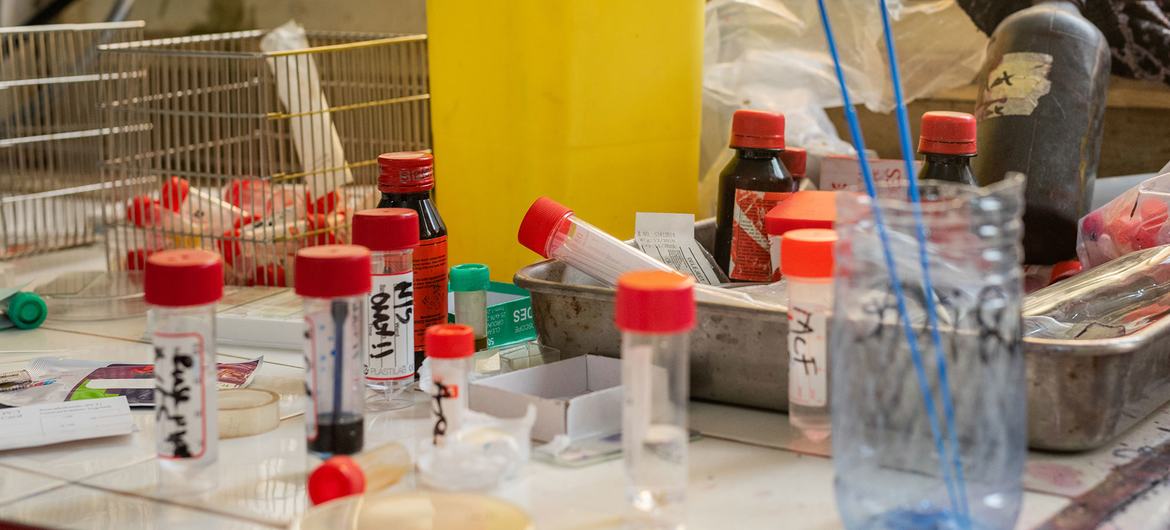
Antimicrobial resistance (AMR) occurs when bacteria, viruses, fungi and parasites change over time and no longer respond to medicines.
© WHO/Etinosa Yvonne
 
Antimicrobial resistance (AMR) occurs when bacteria, viruses, fungi and parasites change over time and no longer respond to medicines.


26 September 2024 

Health

Antimicrobial resistance, or AMR, is an invisible killer, so world leaders are holding a high-level meeting at UN Headquarters on Thursday in New York to discuss the best ways forward, adopting a political declaration that focuses on a coordinated response to one of the most serious public health threats. UN News app users can follow here.


https://news.un.org/en/story/2024/09/1154846


https://creativecommons.org/licenses/by/4.0/legalcode

четверг, 26 сентября 2024 г.

Invisible killer: What is antimicrobial resistance


A medical illustration depicts carbapenem-resistant enterobacteriaceae.

Invisible killer: What is antimicrobial resistance?

© CDC/Dan Higgins/James Archer
 
A medical illustration depicts carbapenem-resistant enterobacteriaceae.


By Eileen Travers
25 September 2024 

Health

Antimicrobial resistance (AMR) is an invisible killer, which is directly responsible for 1.3 million deaths and a contributing factor to five million other fatalities every year. Everyone seems to have had a family member or friend who has either gotten seriously ill or died due to acquiring an infection that did not respond to prescribed medicines, and the underlying reason was often antimicrobial resistance. Yet, there are many ways of addressing this threat, from hygiene and sanitation to vaccination and avoiding overuse or misuse of medicines.

Ahead of the General Assembly’s high-level meeting on AMR on 26 September, here’s what you need to know:

What is AMR?

Since their discovery a century ago, antimicrobial medicines, from antibiotics to antivirals, have significantly extended average life expectancy. Every day, these essential medicines save millions of lives, until they don’t.

AMR occurs when microorganisms like bacteria, viruses, fungi and parasites no longer respond to antimicrobial medicines. As a result of drug resistance, antimicrobial medicines become ineffective and infections become difficult or impossible to treat, increasing the risk of disease spread, severe illness, disability and death, according to the UN’s World Health Organization (WHO).

Similar to COVID-19, drug-resistant infections know no borders, and no one is immune. But, the incidence is higher in low to middle-income countries.

The threat from antimicrobial resistance is growing.
WHO/Quinn Mattingly
 
The threat from antimicrobial resistance is growing.

WHO: ‘It can happen to anyone’

Behind every number tracking AMR, there is a real, human cost. Some of the mounting burdens faced include limited treatment options, extended hospital stays, constant medication, prolonged loss of income, medical debt, poverty, family loss and grief. Lives are seriously impacted, in some cases fatally.

“It can happen to anyone, anywhere,” according to the UN health agency.

Even if you’re in good health, a minor injury, routine surgery or a common lung infection could unexpectedly escalate into a life-threatening situation. For those with pre-existing conditions like cancer, HIV or diabetes, an untreatable infection could emerge as a dangerous second threat, striking when least expected.

What’s driving it?

Several factors can accelerate the emergence and spread of AMR, with overuse of antibiotics being a key driver.

Overuse and misuse of antimicrobials: Using antibiotics when not necessary, over-prescription by healthcare providers and incomplete courses of treatment can all contribute to resistance.

Agricultural use: The use of antibiotics in livestock to promote growth and prevent disease can lead to resistant strains that can be transmitted to humans.

Poor infection control: Inadequate sanitation and hygiene in healthcare settings and communities facilitate the spread of resistant microorganisms.

Global trade and travel: Increased movement of people and goods allows resistant organisms to spread more easily across borders.

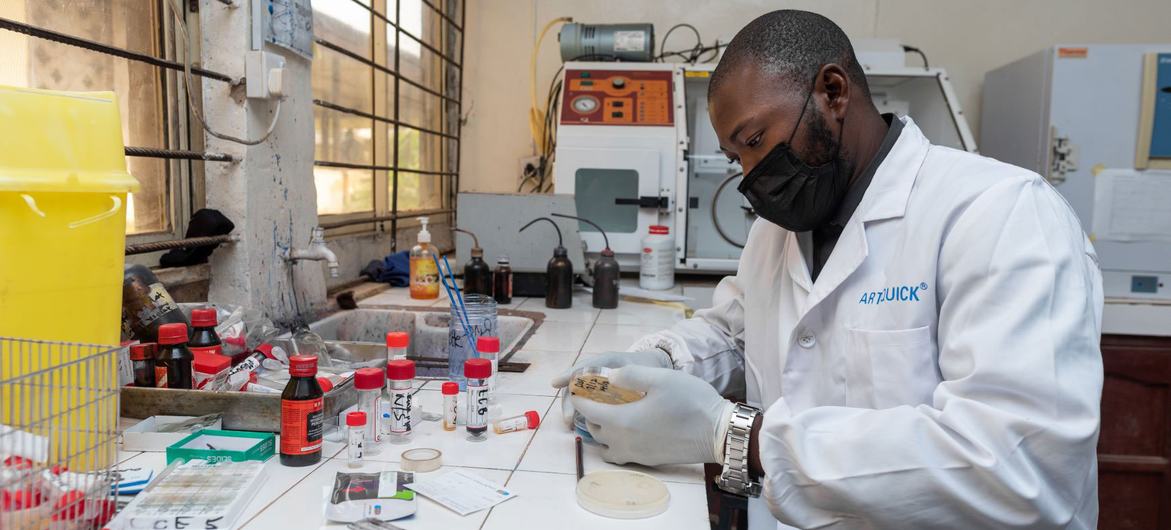
A doctor reviews a sample at a microbiology laboratory in a teaching hospital in Nigeria.
© WHO/Etinosa Yvonne
 
A doctor reviews a sample at a microbiology laboratory in a teaching hospital in Nigeria.

Consequences of AMR

The rise of AMR has serious implications for personal and public health.

AMR threatens both the lives of millions and our economic future. It also impacts food systems, development and security.

It could carry an estimated global annual cost of up to $3.4 trillion by 2030, pushing around 28 million people into poverty by 2050, according to the World Bank.

Global action plan

The good news is that AMR is 100 per cent preventable. International partners adopted a Global Action Plan in 2015 and have amplified public awareness raising, responsible antimicrobial use and continuous research.

Another effective tool is to reduce the need for antimicrobials by strengthening health systems through universal health coverage to prioritise infection prevention and control, immunisation and water, sanitation and hygiene (WASH) programmes.

For its part, WHO is monitoring, reporting and providing updates on drug-resistant microorganisms. For example, earlier this year, it updated its list of the drug-resistant bacteria most threatening to human health.

“Since the first Bacterial Priority Pathogens List was released in 2017, the threat of antimicrobial resistance has intensified, eroding the efficacy of numerous antibiotics and putting many of the gains of modern medicine at risk,” Dr. Yukiko Nakatani, WHO’s Assistant Director-General for Antimicrobial Resistance, said at the release in May of its latest list.

“By mapping the global burden of drug-resistant bacteria and assessing their impact on public health, this list is key to guiding investment and grappling with the antibiotics pipeline and access crisis,” she stressed.

Who’s taking action to stop AMR?

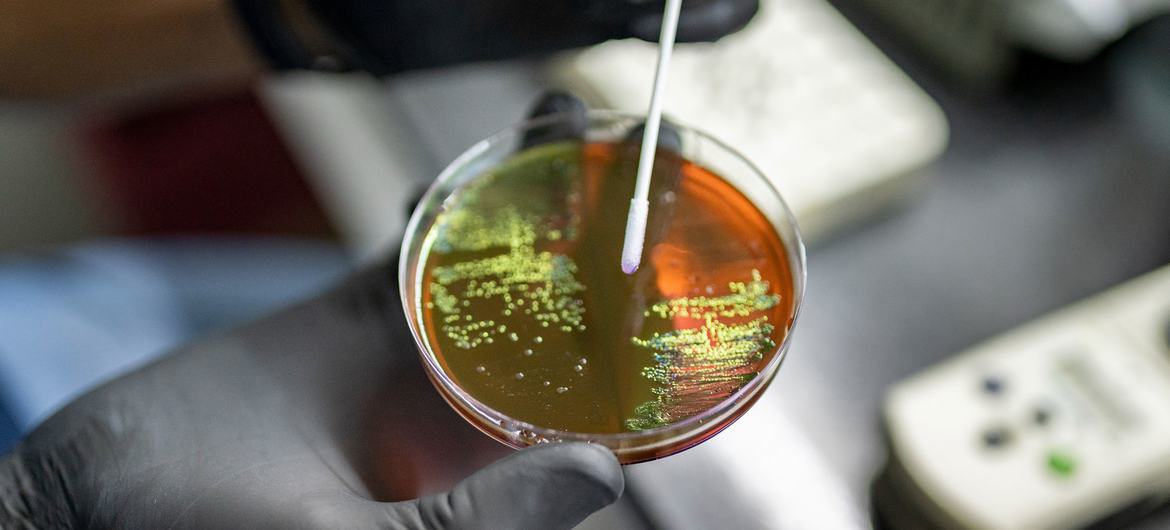
Scientists in Argentina study bacteria samples to track and control the emergence of antimicrobial resistance (AMR).
© WHO/Sarah Pabst
 
Scientists in Argentina study bacteria samples to track and control the emergence of antimicrobial resistance (AMR).
  • World leaders will gather at the UN General Assembly’s high-level meeting on AMR in September to approve a political declaration.
  • The Quadripartite Joint Secretariat on AMR consolidates cooperation between the Food and Agriculture Organization (FAO), UN Environment Programme (UNEP), WHO and the World Organisation for Animal Health (WOAH), drawing on their core mandates to support the global response to AMR across the One Health spectrum.
  • WHO rolled out the global AMR is invisible. I am not.campaign to raise public awareness earlier in 2024 and runs a World AMR Awareness Week every year, from 18 to 24 November.
  • WHO launched a task force of survivors to give a platform for and elevate the voices of those with experience of complications from drug-resistant infections.
  • Read WHO’s factsheet on AMR here.

https://news.un.org/en/story/2024/09/1154891

https://creativecommons.org/licenses/by/4.0/legalcode

суббота, 17 августа 2024 г.

Guterres appeals for ‘Polio Pause’ in Gaza


Two rounds of a polio vaccination campaign are expected to be launched at the end of August and September 2024 across the Gaza Strip.
© WHO
 
Two rounds of a polio vaccination campaign are expected to be launched at the end of August and September 2024 across the Gaza Strip.


16 August 2024 

UN Secretary-General António Guterres called on Friday for warring parties in Gaza to lay down their arms so that humanitarians can safely vaccinate more than half a million children against polio. 

“I am appealing to all parties to provide concrete assurances right away guaranteeing humanitarian pauses for the campaign,” he said, speaking to reporters at UN Headquarters in New York. 

“Let’s be clear: The ultimate vaccine for polio is peace and an immediate humanitarian ceasefire. But in any case, a Polio Pause is a must.”

Tweet URL

‘Polio does not wait’

Mr. Guterres described Gaza as being in “a humanitarian freefall” because “just when it seems the situation could not get worse for Palestinians in Gaza, the suffering grows – and the world watches.”

Poliovirus was recently detected in sewage samples in two locations, Khan Younis and Deir Al-Balah, meaning that the disease – which can cause paralysis - is circulating in the enclave and putting thousands of children at risk.

“Polio does not care about dividing lines – and polio does not wait,” he said.

Vaccines at the ready

Starting at the end of the month, the UN is set to launch a two-phase campaign to vaccinate more than 640,000 children in Gaza under the age of 10.

The World Health Organization (WHO) has already approved the release of 1.6 million doses of the polio vaccine and the UN Children’s Fund (UNICEF) is coordinating delivery efforts and the cold chain equipment needed for storage.

Meanwhile, medical teams from the UN Palestine refugee agency, UNRWA – the largest primary healthcare provider in Gaza – are ready to administer the vaccines and assist with logistics.

Challenges to the campaign

Mr. Guterres outlined the grave challenges these efforts face.

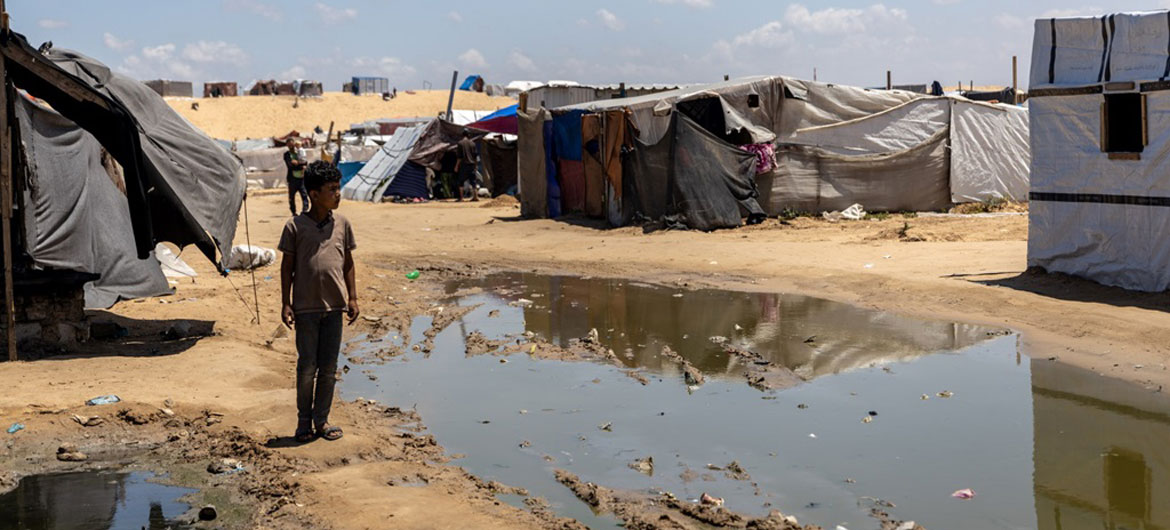
He said Gaza’s health, water and sanitation systems “have been decimated”, most hospitals and primary care facilities are not functional, and people are constantly forced to run to seek safety.

Furthermore, routine immunizations have been severely disrupted due to the conflict, thus increasing the spread of measles, hepatitis A and other preventable diseases.

“We know how an effective polio vaccination campaign must be administered,” he said.

“Given the wholesale devastation in Gaza, at least 95 per cent vaccination coverage will be needed during each round of the two-round campaign to prevent polio’s spread and reduce its emergence.”

Safety first

The campaign will involve 708 teams at hospitals and primary healthcare centres, he said, again noting that many are barely functioning, and 316 community outreach teams throughout Gaza. 

It requires effective transport routes for the vaccines and cold chain equipment, the entry of polio experts into Gaza and fuel so that health teams can carry out their work.

Reliable internet and phone services for communications outreach, and an increase in the amount of cash allowed into Gaza to pay health workers, are also needed.

Above all, a successful polio vaccination campaign needs safety,” the UN chief said. 

“Safety for health workers to do their jobs.  Safety for children and families to get to the health facilities. And safety for those health facilities to be protected from bombardment.” 

Soundcloud

A shared obligation

Stressing that “it is impossible to conduct a polio vaccination campaign with war raging all over,” Mr. Guterres warned of the potential for wider consequences. 

“Polio goes beyond politics. It transcends all divisions. And so it is our shared obligation to come together. To mobilize – not to fight people, but to fight polio,” he said.

He stressed the need to “defeat a vicious virus that, left unchecked, would have a disastrous effect not only for Palestinian children in Gaza, but also in neighboring countries and the region.


https://news.un.org/en/story/2024/08/1153276


https://creativecommons.org/licenses/by/4.0/legalcode

понедельник, 15 июля 2024 г.

Childhood immunization levels stalled in 2023


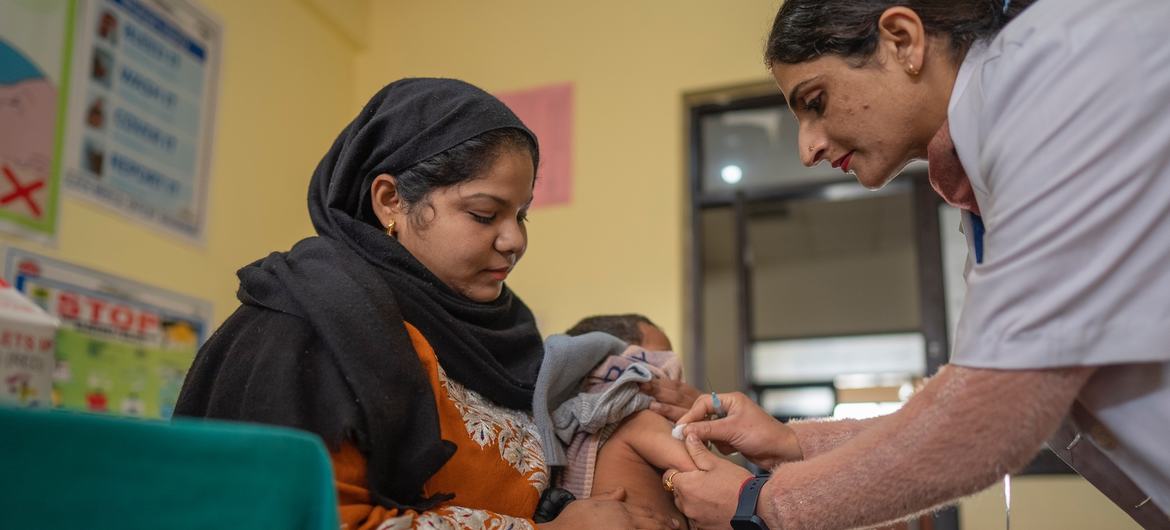
India’s immunization programme caters to almost 27 million newborns each year.
UNDP India/Gaurav Menghaney
 
India’s immunization programme caters to almost 27 million newborns each year.


14 July 2024 

Health

New data published on Monday by UN agencies shows that immunization coverage for children worldwide stalled during 2023, leaving around 2.7 million lacking the protection they need compared to the pre-COVID-19 levels of 2019.

That’s according to the World Health Organization (WHO) and UN Children’s Fund (UNICEF) snapshot of trends for vaccinations against 14 diseases – all of which underlines the need for ongoing catch-up, recovery and system-strengthening efforts.

“The latest trends demonstrate that many countries continue to miss far too many children,” said UNICEF Executive Director Catherine Russell. “Closing the immunization gap requires a global effort, with governments, partners, and local leaders investing in primary healthcare and community workers to ensure every child gets vaccinated, and that overall healthcare is strengthened.”

The number of children who received three doses of the vaccine against diphtheria, tetanus and pertussis (DTP) in 2023 - a key marker for global immunization coverage - stalled at 84 per cent (108 million).

Going backwards

However, those who did not receive a single dose of the vaccine increased from 13.9 million in 2022 to 14.5 million in 2023.

More than half of unvaccinated children live in 31 countries with fragile, conflict-affected and vulnerable settings, where children are especially vulnerable to preventable diseases because of disruptions and lack of access to security, nutrition, and health services, the agencies reported.

Additionally, 6.5 million children did not complete their third dose of the DTP vaccine, which is necessary to achieve disease protection in infancy and early childhood.

These trends, which show that global immunization coverage has remained largely unchanged since 2022 and – more alarmingly - has still not returned to 2019 levels, reflect ongoing challenges with disruptions in services, logistical challenges, vaccine hesitancy and inequities in accessing shots.

Emerging measles outbreaks

The data further show that vaccination rates against the deadly measles disease stalled, leaving nearly 35 million children lacking sufficient protection.

In 2023, only 83 per cent of children worldwide received their first dose of the measles vaccine through routine health services, while the number of children receiving their second dose modestly increased from the previous year, reaching 74% of children.

These figures fall short of the 95 per cent coverage needed to prevent outbreaks, avert unnecessary disease and deaths, and achieve measles elimination goals.

Over the last five years, measles outbreaks hit 103 countries – home to roughly three-quarters of the world’s infants. Low vaccine coverage (80% or less) was a major factor. In contrast, 91 countries with strong measles vaccine coverage did not experience outbreaks.

Canary in the mine

Measles outbreaks are the canary in the coalmine, exposing and exploiting gaps in immunization and hitting the most vulnerable first,” said Dr Tedros Adhanom Ghebreyesus, WHO Director-General.

“This is a solvable problem. Measles vaccine is cheap and can be delivered even in the most difficult places. WHO is committed to working with all our partners to support countries to close these gaps and protect the most at-risk children as quickly as possible.”

Good news on Global HPV vaccine coverage

The new data also highlight some brighter spots in immunization coverage.

The steady introduction of some newer vaccines, including  for human papillomavirus (HPV), meningitis, pneumococcal, polio and rotavirus disease, continues to expand protection - particularly in the 57 countries supported by Gavi, the Vaccine Alliance.  

For example, the share of adolescent girls globally who received at least one dose of the HPV vaccine, which provides protection against cervical cancer, increased from 20% in 2022 to 27% in 2023.

"The HPV vaccine is one of the most impactful vaccines in Gavi’s portfolio, and it is incredibly heartening that it is now reaching more girls than ever before,” said Dr Sania Nishtar, CEO of Gavi.

However, HPV vaccine coverage is well below the 90 per cent target to eliminate cervical cancer as a public health problem, reaching only 56 per cent of adolescent girls in high-income countries and 23% in low and middle-income countries.

https://news.un.org/en/story/2024/07/1152091


https://creativecommons.org/licenses/by/4.0/legalcode

вторник, 25 июня 2024 г.

Half the world now following doctors’ orders on cutting trans fats: WHO


Industrially produced trans fat is commonly found in packaged foods, baked goods, cooking oils and spreads.
© Unsplash/Viktor Forgacs
 
Industrially produced trans fat is commonly found in packaged foods, baked goods, cooking oils and spreads.


24 June 2024

Health

A total of 53 countries had best practice policies in place for tackling industrial trans fats in food as of last year, vastly improving the food environment for 3.7 billion people, or 46 per cent of the world’s population, according to a milestone report published by the UN World Health Organization on Monday.

This is significant progress compared to the 2018 figure of just six per cent, or less than half a billion people, when the ambitious target to eliminate all trans fat from the global food supply by the end of 2023 was initially set by WHO.

Trans fat elimination is attainable, affordable and life-saving, and WHO remains committed to supporting Member States in their journeys towards this goal,” said Dr. Francesco Branca, Director of the Department of Nutrition and Food Safety at WHO.

Trans fats - or trans-fatty acids - clog arteries, increasing risk of heart attack and death. Cardiovascular diseases are the leading cause of mortality in the world and more than 278,000 deaths per year can be attributed to intake of industrially produced trans fat, according to the health agency.

Given their negative health effects, the current advancements made could save approximately 183,000 lives per year. However, progress has been unequal, with the highest remaining burden concentrated in the WHO Africa and Western Pacific Regions. The new report summarizes country actions to ban this toxic chemical and make recommendations to achieve global trans fat elimination.

Best practices

Remarkable progress has been made in every region of the world towards the WHO’s goal of total elimination of industrially produced trans fats. The chemicals are fatty acids that can be found in many fried foods, baked goods, vegetable shortening and margarine.

In 2023 alone, new best practice policies became effective in seven countries: Egypt, Mexico, Nigeria, North Macedonia, Philippines, the Republic of Moldova and Ukraine.

In January 2024, WHO awarded five countries the Validation Certificate for progress in eliminating industrially produced trans fat: Denmark, Lithuania, Poland, Saudi Arabia and Thailand.

However, despite promising trends, progress has been uneven. More than four billion people around the world remain unprotected from this toxic chemical, mainly in the WHO African and Western Pacific Regions. 

Implementing best practice policies in just eight additional countries would eliminate 90 per cent of the global deaths associated with this harmful ingredient.

“Beyond passing WHO-recommended best practice trans fat policies, ensuring that compliance with these policies is monitored and enforced will be critical to achieve maximized and sustained health benefits of trans fat elimination,” added Dr. Branca.

New WHO commitments

The WHO’s new report helps to further the organization’s efforts towards global trans fat elimination. The report urges all countries to enact best practice policies and to better monitor and enforce these policies so that more countries may become eligible for the WHO Validation Certificate.

The WHO also calls on food manufacturers to eliminate the use of trans fats in product lines and supply chains, even where regulations are not yet in place.


https://news.un.org/en/story/2024/06/1151386


https://creativecommons.org/licenses/by/4.0/legalcode

воскресенье, 2 июня 2024 г.

At World Health Assembly, countries agree on efforts to boost pandemic preparedness


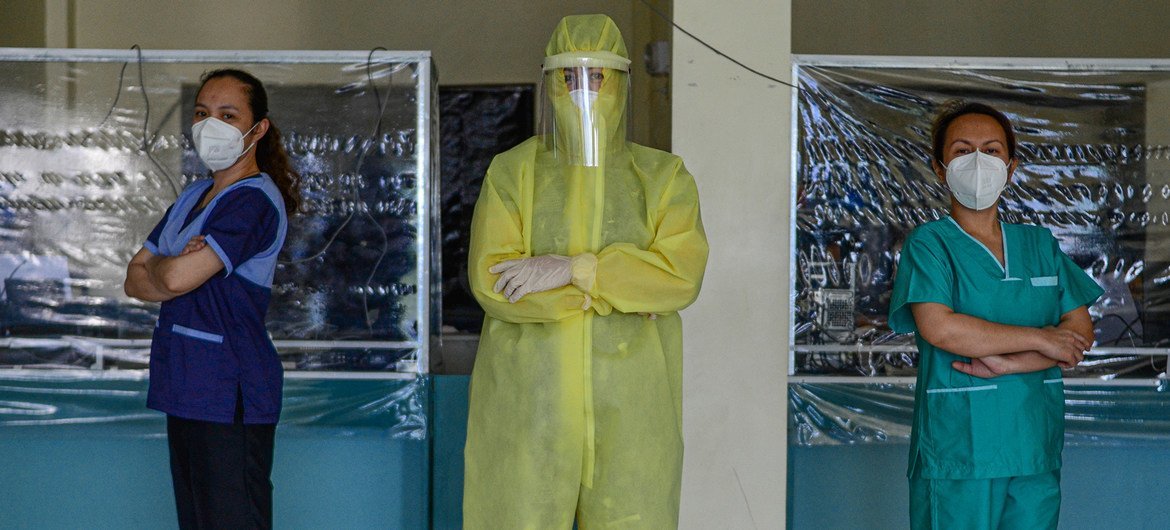
Wearing a full protective suit, a women doctor leading volunteer health workers attending to COVID-19 patients and persons under investigation at a community hospital in the Philippines. (2020 photo)
UN Women/Louie Pacardo
 
Wearing a full protective suit, a women doctor leading volunteer health workers attending to COVID-19 patients and persons under investigation at a community hospital in the Philippines. (2020 photo)


2 June 2024

Countries on Saturday agreed to a set of key actions to better guide and coordinate global efforts in preventing, detecting, and responding to public health risks, while also committing to finalize negotiations on an international pandemic agreement within a year at the latest.

Member countries of the UN World Health Organization (WHO), on the final day of the seventy-seventh World Health Assembly, adopted important amendments to the International Health Regulations (IHR), including defining a “pandemic emergency” as well as pledging improved access to medical products and financing.

These steps will help ensure comprehensive, robust systems are in place in all countries to protect everyone everywhere from the risk of future outbreaks and pandemics, WHO said in a news release.

“The historic decisions taken today demonstrate a common desire by member States to protect their own people, and the world’s, from the shared risk of public health emergencies and future pandemics,” said Tedros Adhanom Ghebreyesus, WHO Director-General.

He highlighted that the amendments to the IHR will bolster countries’ ability to detect and respond to future outbreaks, strengthen national capacities and improve coordination between nations on disease surveillance, information sharing and response.

“This is built on a commitment to equity, an understanding that health threats do not recognize national borders and that preparedness is a collective endeavour,” Tedros added.

Tweet URL
WHO

IHR amendments

The new amendments to the IHR include the introduction of a definition of a pandemic emergency to trigger more effective international collaboration for events at risk of becoming pandemics. This definition raises the alarm level by building on existing IHR mechanisms, such as the determination of a public health emergency of international concern.

A pandemic emergency is identified as a communicable disease that risks widespread geographical spread, overwhelms health systems, causes substantial social or economic disruption, and necessitates rapid, equitable, and coordinated international action through comprehensive government and societal approaches.

Additionally, the amendments emphasize solidarity and equity in accessing medical products and financing by establishing a Coordinating Financial Mechanism. This mechanism aims to support developing countries in identifying and obtaining the necessary financing to address their needs and priorities in pandemic prevention, preparedness, and response.

The amendments also establish a States Parties Committee to promote and support cooperation for effective IHR implementation and create National IHR Authorities to improve coordination of the Regulations within and among countries.

Finalizing the pandemic agreement

Countries also agreed to continue negotiating the proposed pandemic agreement to improve international coordination, collaboration and equity to prevent, prepare for and respond to future pandemics.

WHO’s member States decided to extend the mandate of the Intergovernmental Negotiating Body (INB), established in December 2021, to finish its work negotiating a pandemic agreement within a year, by the World Health Assembly in 2025, or earlier if possible.

Speaking at the closing of the World Health Assembly, Tedros applauded the delegates for their hard work.

“You have agreed on a path forward for the Pandemic Agreement, and I remain confident that you will bring it to conclusion,” he said.


https://news.un.org/en/story/2024/06/1150546


https://creativecommons.org/licenses/by/3.0/legalcode

четверг, 23 мая 2024 г.

‘Critical gaps’ in understanding climate change fuel tropical disease spread


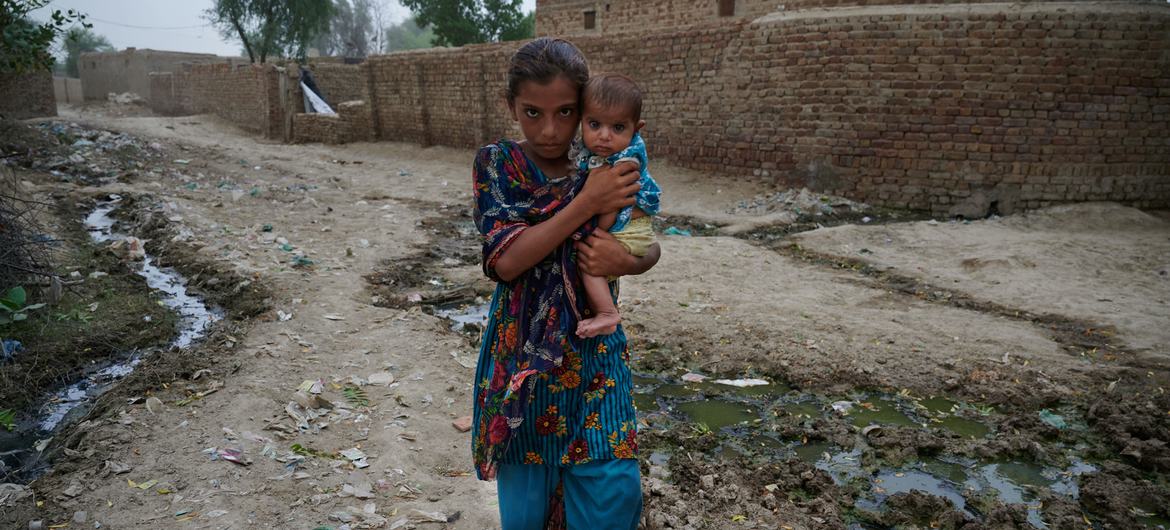
A girl, holding a child, walks to a mobile health clinic in a flood-affected village in Pakistan. Water-logging has led to an increase in spread of malaria in the region. (file)
© UNICEF/Shehzad Noorani
 
A girl, holding a child, walks to a mobile health clinic in a flood-affected village in Pakistan. Water-logging has led to an increase in spread of malaria in the region. (file)


22 May 2024
Health

A comprehensive review by the UN health agency has revealed critical gaps in understanding the full impact of climate change on malaria, dengue, trachoma and other tropical diseases.

The World Health Organization (WHO) study, conducted in partnership with Reaching the Last Mile (RLM), a global health initiative to eliminate neglected tropical diseases (NTDs), found that rising temperatures and changing weather patterns are altering the spread of vector-borne diseases, posing significant health risks.

As the geographical spread of disease vectors like mosquitoes expand, the risk of introducing or reintroducing these diseases to new areas increases. This shift is likely to have the most severe impact on communities already disproportionately affected.

The study analysed peer-reviewed papers from January 2010 to October 2023, crunching data on national disease burdens, healthcare access and climate vulnerability scores.

The majority of data sets used focused on malaria, dengue, and chikungunya, while other NTDs were significantly underrepresented.

Lack of evidence

Only 34 per cent of studies reviewed (174 studies) addressed mitigation and a mere five per cent (24 studies) looked at adaptation, underscoring the dire lack of evidence available to help malaria and NTDs.

Ibrahima Socé Fall, Director of the Global NTD Programme at WHO, emphasized the need for more comprehensive, collaborative and standardized modelling to predict and mitigate effects of climate change on health.

This important and timely review reveals alarming trends and is a call to urgent action. Malaria transmission is likely to shift both polewards and to higher altitude, while the mosquito vector responsible for transmission of dengue and chikungunya is predicted to continue to expand its range,” she said.

“If we are to protect and build upon the hard-won victories of the past two decades, the time to mobilize is now.”

Neglected tropical diseases

Neglected tropical diseases (NTDs) are a diverse group of conditions caused by a variety of pathogens, including viruses, bacteria, parasites, fungi and toxins.

These include Chagas disease, dengue, chikungunya, leprosy, rabies, soil-transmitted helminthiases, snakebite, trachoma and yaws. It is estimated that they affect more than one billion people, according to WHO.


https://news.un.org/en/story/2024/05/1150101

https://creativecommons.org/licenses/by/3.0/legalcode

пятница, 10 мая 2024 г.

World News in Brief: Vaccine ‘patches’ trial shows promise, lowering catheter infection risk


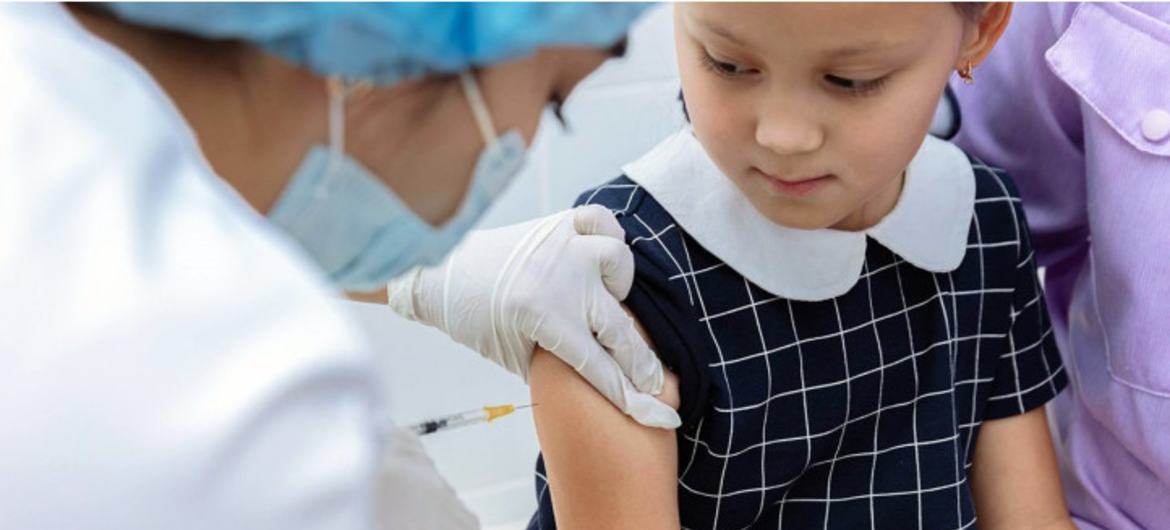
A girl in Kazakhstan receives a measles vaccine. New trials of a vaccine patch instead of shots, are showing promise.
© WHO
 
A girl in Kazakhstan receives a measles vaccine. New trials of a vaccine patch instead of shots, are showing promise.


9 May 2024
Health

Few enjoy having injections and if you have children, you probably like them even less when it’s time for their mandated vaccine shots.

But now, there could be an easier alternative in the form of patches that can be simply applied to the skin, much like a sticking plaster.

Early data from a vaccine patch trial in the Gambia has shown promising indications that it could be effective in protecting children from measles.

Tweet URL
WHOAFRO

The UN World Health Organization (WHO) has been helping to develop these vaccine microarray patches – or MAPS – as they are known, for several years already.

Birgitte Giersing, team lead at WHO’s Vaccine Product and Delivery Research Unit, said that the patches could be a major breakthrough in protecting vulnerable populations from preventable diseases.

Groundbreaking potential

“They are potentially groundbreaking vaccine delivery technology that could really contribute to increasing the coverage of life saving vaccines like measles and rubella…especially in low resource settings”, she told reporters in Geneva.

“And this is because they can be more easily delivered than vaccines that need to be injected, especially in outbreaks or in humanitarian emergency situations.”

Dr. Giersing explained that the patches could be especially useful in combating measles and rubella. Vaccines for both of these diseases have been available for decades but coverage levels dropped during the COVID-19 pandemic and now there are many millions of susceptible children in many countries.

“People may be more willing to be vaccinated by a patch than by a needle, so there's really an acceptability advantage” to the patches, Dr Giersing said.

First ever guidelines to lower infection rates due to catheters published

In further health news, WHO on Thursday published the first global guidelines to prevent bloodstream and other infections caused by use of catheters placed in minor blood vessels while patients are undergoing minor procedures.

Poor practices in the routine use of catheters – how they are inserted and removed in the arm for example – can lead to a high risk of infections entering the system via the blood.

Serious consequences

This can lead to serious conditions such as sepsis, and difficult-to-treat complications in major organs like the brain and kidneys, WHO said.

Soft tissue infections at the insertion site of the catheter can also occur.

People who receive treatments through catheters are often particularly vulnerable to infections, as they might be seriously ill or have low immunity.

WHO estimates that from 2000 to 2018, average mortality among patients affected by healthcare-associated sepsis was 24.4 per cent, increasing to 52.3 per cent among patients treated in intensive care units.

“Infections associated with health care delivery represent a preventable tragedy and a serious threat to the quality and safety of health care,” said Dr. Bruce Aylward, WHO Assistant Director-General.

“Implementing clean care and infection prevention and control recommendations is critical to saving lives and alleviating a great deal of avoidable suffering experienced by people around the world.”

The new guidelines include 14 good practice statements and 23 recommendations on key areas for health workers, including better education and training for health workers.


https://news.un.org/en/story/2024/05/1149561

https://creativecommons.org/licenses/by/3.0/legalcode

вторник, 19 марта 2024 г.

WHO study shows $39 return for each dollar invested in fight against TB


A doctor checks a patient’s chest x-ray for signs of tuberculosis.
© UNICEF/Vinay Panjwani
 
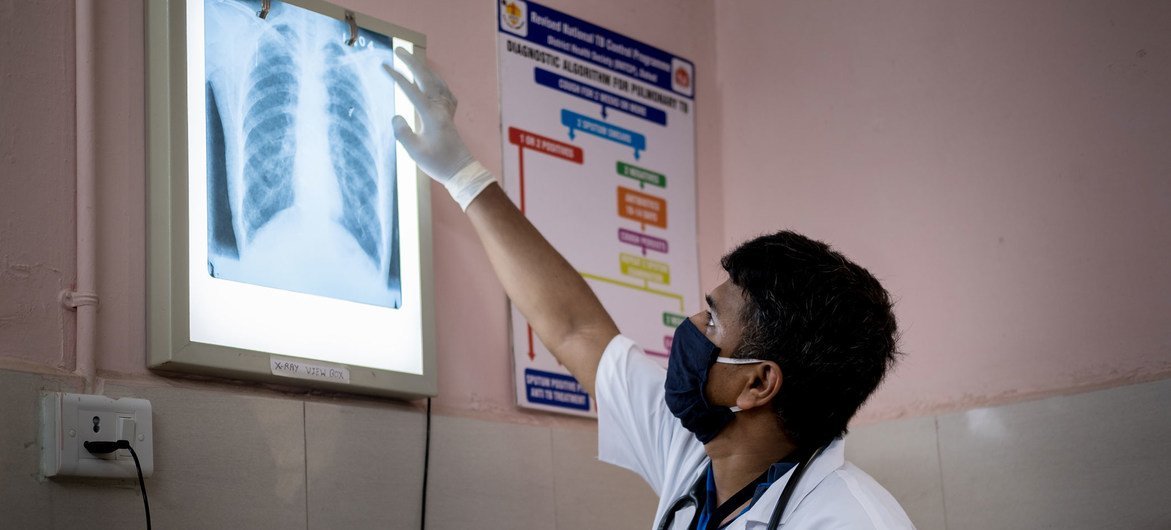
A doctor checks a patient’s chest x-ray for signs of tuberculosis.


18 March 2024
Health

The UN World Health Organization (WHO) on Monday called for a funding boost in tuberculosis (TB) screening and prevention programmes to protect vulnerable populations and achieve key health goals.

Relatively modest new investment could result in significant health and economic benefits, with up to $39 worth of benefits for each dollar invested, the UN agency said

The returns extend beyond monetary, encompassing substantial improvements in public health outcomes and the mitigation of TB’s devastating impact on individuals, families and communities.

“The investment case outlines the health and economic rationale for investing in evidence-based, WHO-recommended interventions on TB screening and prevention that can contribute to advancing universal health coverage

“Today, we have the knowledge, tools and political commitment that can end this millennia-old disease that remains one of the world’s top infectious killers.”

Tweet URL
WHO

Crucial advocacy tool

While significant strides have been made to combat the disease, with an estimated 75 million lives saved since 2000, TB continues to cause about 1.3 million deaths annually and affects millions more worldwide.

Moreover, multidrug-resistant TB (MDR-TB) is a growing public health concern, with only about two in five people having accessed treatment in 2022.

Progress in the development of new TB diagnostics, drugs and vaccines remains constrained by the overall level of investment in these areas, WHO said, adding that it is clear much more needs to be done to combat TB.

Against this background, its investment case is expected to serve as a vital advocacy tool for securing increased resources for TB screening and preventive treatment, aligning with the commitments made by governments at the 2023 High-Level Meeting on TB

2024 World TB Day

As the global community prepares to World TB Day on 24 March under the theme Yes! We can end TB!

The next five years will be critical

“WHO will continue to provide global leadership for the TB response, working with all stakeholders until we reach and save every person, family and community impacted by this deadly disease”.


https://news.un.org/en/story/2024/03/1147696


https://creativecommons.org/licenses/by/3.0/legalcode

пятница, 2 февраля 2024 г.

Cancer rates set to rise 77 per cent by 2050


An oncologist consults with a cancer patient at a hospital in Lyon, France.
© WHO/Gilles Reboux
 
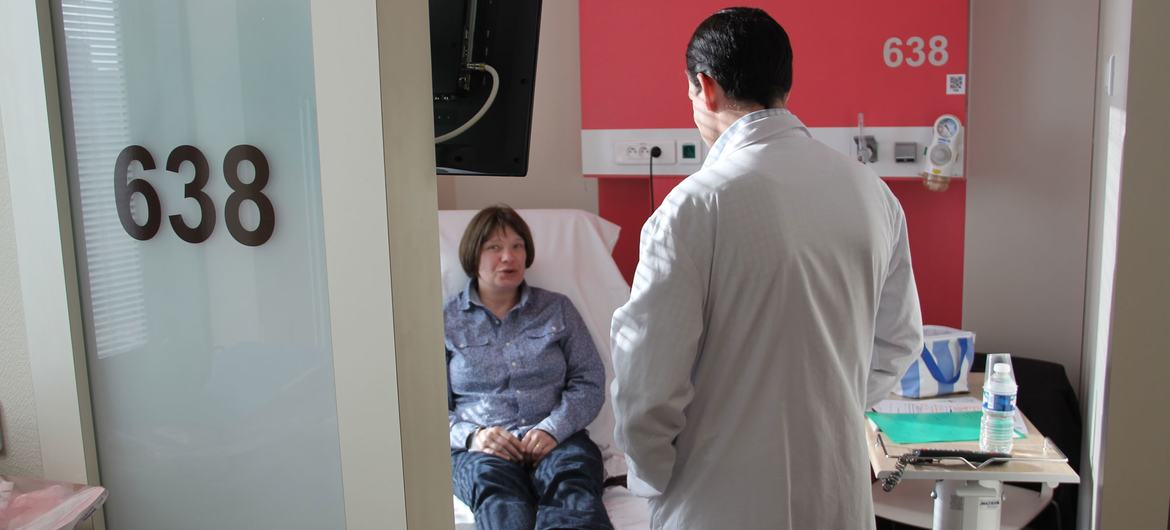
An oncologist consults with a cancer patient at a hospital in Lyon, France.


1 February 2024
Health

Global cancer cases are expected to rise around 77 per cent by the middle of the century, UN health authorities said on Thursday, highlighting the growing burden of the disease. 

There are predicted to be more than 35 million cancer cases during 2050, up from the estimated 20 million in 2022, according to latest figures from the International Agency for Research on Cancer (IARC), a specialized branch of the UN World Health Organization (WHO).

The increase reflects both population ageing and growth, as well as changes to people’s exposure to risk factors. Tobacco, alcohol and obesity are key factors, along with air pollution.

Tweet URL
WHO

Varying patterns 

Richer countries are expected to have the greatest absolute increase in cancer, with an additional 4.8 million new cases predicted in 2050. 

However, low and middle-income countries should see a higher proportional increase in cancer, while mortality is projected to almost double.

The estimates from the IARC’s Global Cancer Observatory are based on the best sources of data available from 185 countries and covers 36 different forms of cancer. 

They were published alongside a WHO survey from 115 countries which showed that the majority do not adequately finance priority cancer and palliative care services as part of universal health coverage. 

Common cancers globally 

Ten types of cancer collectively comprised around two-thirds of new cases and deaths globally in 2022, the IARC said. 

Lung cancer was the most commonly occurring form worldwide with 2.5 million new cases.  It accounted for more than 12 per cent of all new cases and 18.9 per cent of deaths, 1.8 million, making it the leading cause of cancer death. 

Female breast cancer ranked second in terms of occurrence, with 2.3 million cases, worldwide or 11.6 per cent, but accounted for 6.9 per cent of deaths. 

Other commonly occurring cancers were colorectal, prostate and stomach cancer

Colorectal cancer was the second leading cause of cancer death, followed by liver, breast and stomach cancer. 

Cervical cancer was the eighth most commonly occurring cancer globally, the ninth leading cause of cancer death, and the most common cancer in women in 25 countries, many of which are in sub-Saharan Africa.

Inequalities and investment 

The IARC estimates - issued ahead of World Cancer Day on 4 February - also revealed striking inequalities, particularly in breast cancer.

One in 12 women in richer countries will be diagnosed with the disease in their lifetime and one in 71 will die of it, the agency said.  However, although only one in 27 women in poorer countries will receive a positive breast cancer diagnosis, one in 48 will die.

These women “are at a much higher risk of dying of the disease due to late diagnosis and inadequate access to quality treatment,” said Dr. Isabelle Soerjomataram, Deputy Head of the Cancer Surveillance Branch at IARC. 

The WHO survey also revealed significant global inequities in cancer services. For example, higher income countries were up to seven times more likely to include lung cancer-related services in their health benefits packages. 

“WHO, including through its cancer initiatives, is working intensively with more than 75 governments to develop, finance and implement policies to promote cancer care for all,” said Dr Bente Mikkelsen, Director of its Department of Noncommunicable Diseases, underlining the need for greater investment. 

https://news.un.org/en/story/2024/02/1146127

https://creativecommons.org/licenses/by/3.0/legalcode

среда, 20 декабря 2023 г.

COVID-19: WHO designates JN.1 ‘variant of interest’ amid sharp rise in global spread


A child, wearing a mask, attends classes in rural Brazil. (2021 photo)
© UNICEF/Hugo Coutinho
 
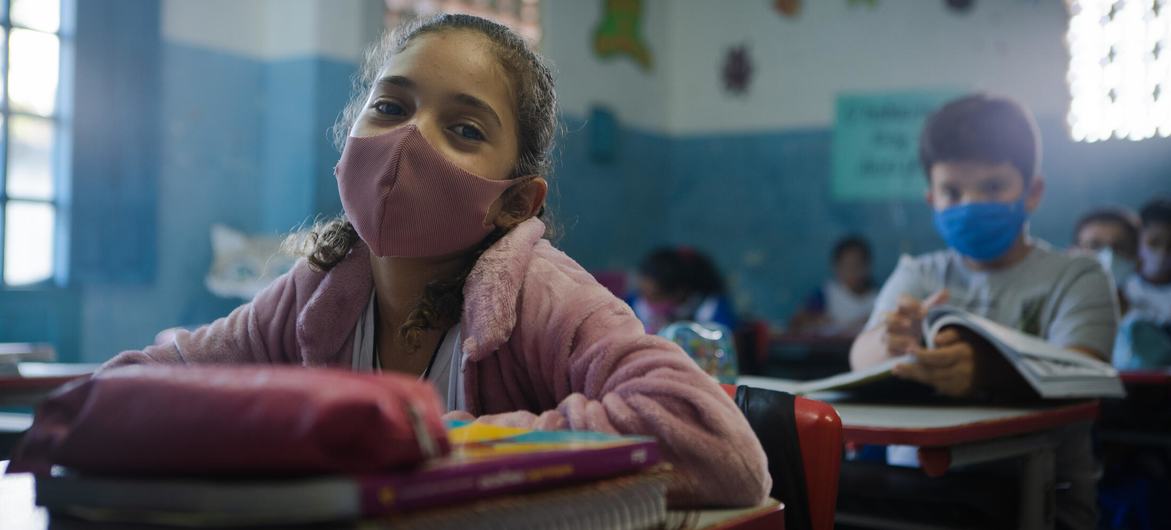
A child, wearing a mask, attends classes in rural Brazil. (2021 photo)
20 December 2023
Health

The UN World Health Organization (WHO) has said it is continuously monitoring the global spread of JN.1, a COVID-19 variant of interest, adding that current vaccines continue to offer protection against severe disease and death from this and other variants in circulation.

Though its current evaluation of the global public health risk is “low”, the UN health agency cautioned that with the onset of winter in the Northern Hemisphere, the new variant “could increase” the burden of respiratory infections in many countries, noting other diseases such as RSV, influenza and childhood pneumonia that are already on the rise.

Tweet URL

Rapidly increasing spread

The classification of JN.1 as a separate variant of interest (VOI) is down to “its rapidly increasing spread” around the globe, WHO said in an advisory issued on Tuesday.

JN.1 has been found in many countries, including India, China, the United Kingdom, and the United States.

Previously JN.1 was classified and tracked as part of its parent BA.2.86 lineage, which itself is a descendant of the Omicron or B.1.1.529 variant of SARS-CoV-2, the virus causing COVID-19 disease.

In comparison with its parent lineage BA.2.86, JN.1 has an additional mutation (the L455S mutation) in the spike protein.

Risk evaluated as ‘low’

WHO said that based on the currently available data, “the additional global public health risk posed by JN.1 is currently evaluated as low.”

“Despite this, with the onset of winter in the Northern Hemisphere, JN.1 could increase the burden of respiratory infections in many countries,” it added.

WHO also highlighted that current vaccines continue to protect against severe disease and death from JN.1 and other circulating variants of SARS-CoV-2.

Other respiratory diseases

COVID-19 is not the only respiratory disease in play. Influenza, RSV (Respiratory Syncytial Virus) and common childhood pneumonia are on the rise, according to WHO.

It advised people to take measures to prevent infections and severe disease using all available tools, including wearing a mask when in crowded, enclosed, or poorly ventilated areas, and keeping a safe distance from others.

It also urged everyone to put safety first by covering coughs and sneezes; cleaning one’s hands regularly; and staying up to date with vaccinations against COVID-19 and influenza, especially if you are at a high risk of severe disease.

Additionally, people should stay home if they are sick, and to get tested if they have symptoms, or if they might have been exposed to someone with COVID-19 or influenza.

COVAX facilitated the delivery of some two billion doses of COVID vaccines globally, pictured here, a delivery of Pfizer COVID-19 in vaccines in Nepal in 2021.
© UNICEF/Angad Dhakal
 
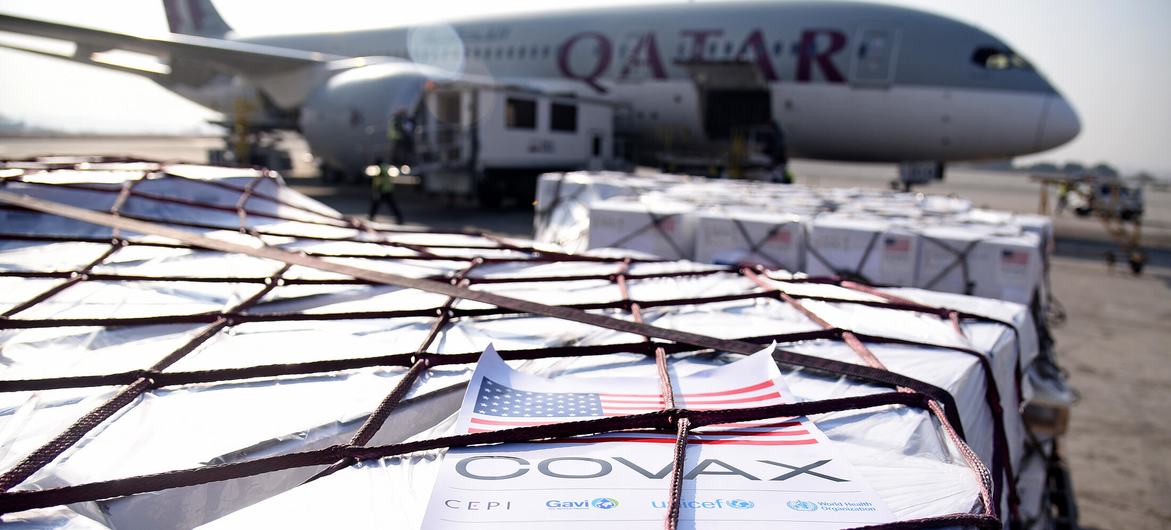
COVAX facilitated the delivery of some two billion doses of COVID vaccines globally, pictured here, a delivery of Pfizer COVID-19 in vaccines in Nepal in 2021.

Global vaccine initiative winds down

Also on Tuesday, WHO announced that COVAX, the landmark multilateral mechanism for equitable global access to COVID-19 vaccines, launched in 2020, will end on 31 December 2023, as COVID-19 vaccinations shift to regular immunization programmes.

Since its launch in 2020, COVAX delivered nearly two billion doses of vaccines to 146 economies and averted an estimated 2.7 million deaths in lower-income economies.

“Low- and lower middle-income economies will continue to receive COVID-19 vaccines and delivery support from Gavi, the Vaccine Alliance in 2024 and 2025, with 83 million doses so far requested for 2024 from 58 economies,” WHO said in a statement.

COVAX was the vaccines pillar of the Access to COVID-19 Tools (ACT) Accelerator, the ground-breaking global collaboration to accelerate the development, production, and equitable access to COVID-19 tests, treatments, and vaccines.

It was co-led by Gavi, the Vaccine Alliance; the Coalition for Epidemic Preparedness Innovations (CEPI); WHO; and the UN Children’s Fund (UNICEF).

Unprecedented emergency response

With the rallying cry “no one is safe until everyone is safe”, COVAX partners urged the world to place vaccine equity at the heart of the global response to the COVID-19 pandemic, and for every country to have at least enough doses to protect those most at risk.

“The joint efforts of all partners to ensure an equitable response to the pandemic helped protect the futures of millions of children in vulnerable communities,” said Catherine Russell, Executive Director of UNICEF.

“This huge and historic undertaking is something we can be collectively proud of and build on. UNICEF will continue to deliver vaccines to the world's youngest to stop the spread of all preventable diseases and build strong health systems for the future.”

WHO Video | Importance of revaccination against COVID-19

https://creativecommons.org/licenses/by/3.0/legalcode

среда, 30 августа 2023 г.

With COVID-19 ‘here to stay’, new tools essential to continue fight: Tedros

A technician analyzes samples at medical centre laboratory in Bangkok, Thailand. (file)
WHO/P. Phutpheng
 
A technician analyzes samples at medical centre laboratory in Bangkok, Thailand. (file)
29 August 2023
Health

The World Health Organization (WHO) on Tuesday announced an expanded partnership to improve access to COVID-19 technology, knowledge and clinical data, stressing the fight against the virus must continue.

The partnership, called the COVID-19 Technology Access Pool (C-TAP), was launched in 2020, to facilitate timely, equitable and affordable access to COVID-19 health products through public health oriented, transparent and non-exclusive licensing agreements.

“COVID-19 is here to stay, and the world will continue to need tools to prevent it, test for it and treat it,” said Tedros Adhanom Ghebreyesus, WHO Director-General.

“Through C-TAP, WHO and our partners are committed to making those tools accessible to everyone, everywhere. I am grateful to the leadership shown by those license holders who have contributed technology.

As of 16 August, there have been 769,806,130 confirmed cases of COVID-19 globally, including 6,955,497 deaths, while almost 13.5 billion vaccine doses have been administered.

Important boost

The three institutions joining C-TAP include private vaccine manufacturer Medigen Vaccine Biologics Corp, the Spanish National Research Council and the University of Chile.

Medigen Vaccine Biologics Corp is offering its patent for a COVID-19 vaccine that has seen more than three million doses administered across seven countries.

Similarly, the Spanish National Research Council is sharing a license for a COVID-19 vaccine prototype, and the University of Chile, technology for quantification of neutralizing antibodies.

The addition of the three new licenses provides an important boost to the overall effort in the fight against COVID-19, WHO said. The new licenses are global, transparent and non-exclusive to all manufacturers.

The licenses can be accessed on the C-TAP website.


https://creativecommons.org/licenses/by/3.0/legalcode

https://news.un.org/en/story/2023/08/1140182

понедельник, 22 мая 2023 г.

Progress on human health ‘in peril’, warns UN chief


Girls await their turns to get immunized at Rusung Raya Elementary School, in Indonesia.
21 May 2023
Health

Global life expectancy has grown by 50 per cent since the birth of the UN World Health Organization (WHO) 75 years ago, the UN chief said on Sunday, but in the wake of COVID, climate change, and other challenges, “progress is in peril”.

Secretary-General António Guterres was addressing the annual opening of the World Health Assembly, the decision making body of the WHO, and said that the agency was born out of a spirit of cooperation, leading to dramatic improvements in human health.

Tweet URL

“Global life expectancy – up over 50 percent; Infant mortality – down sixty percent in 30 years; smallpox – eradicated; And polio on the verge of extinction.

But progress is in peril. War and conflict threaten millions. The health of billions is endangered by the climate crisis.”

He said COVID-19 had stalled and even reversed, the steady improvements in public health, and led to backsliding on the 2030 Sustainable Development Goals (SDGs).

‘We can return to the path of progress’

“But this is not inevitable”, he continued. We can return to the path of progress. We can realize our ambitions for health and wellbeing for all. But only if the world works together. If we cooperate, despite the tensions straining relations between nations.”

He said promoting public health long-term, meant strengthening the independence, authority and financing of the WHO, “which stands at the heart of our international effort” and must have a key coordinating role in fighting the next pandemic.

As international negotiations continue for a new pandemic plan of action, “it is vital to prepare for the health threats to come – from new pandemics to climate dangers – so that we prevent where we can, and respond fast and effectively where we cannot”, the UN chief said.

No carrying on as before: Tedros

Reinforcing that message in his introductory speech to the Assembly, WHO Director-General Tedros Adhanom Ghebreyesus, said that the world’s emergence from the dark tunnel of COVID-19, was “not just the end of a bad dream from which we have woken. We cannot simply carry on as we did before.”

The painful lessons of the pandemic must be understood, he said.

“Chief among those lessons is that we can only face shared threats with a shared response.”

Similar to the WHO Framework Convention on Tobacco Control, the pandemic accord under negotiation, “must be a historic agreement to make a paradigm shift in global health security, recognising that our fates are interwoven”, he added.

“This is the moment for us to write a new chapter in global health history, together; to chart a new path forward, together; to make the world safer for our children and grandchildren, together.

New disease protection network launched

The Assembly opened as WHO and partners launched a new global network to help protect people everywhere from infection disease threats, through the power of pathogen genomics.

The International Pathogen Surveillance Network (IPSN) will provide a platform to connect countries and regions, improving systems for collecting and analyzing samples, using data to drive public health decision-making, and sharing that information more broadly, said WHO in a press release.

Pathogen genomics analyzes the genetic code of viruses, bacteria and other disease-causing organisms to understand how infectious they are, how deadly they are, and how they spread.

The IPSN will have a Secretariat hosted by the WHO Hub for Pandemic and Epidemic Intelligence, with an ambitious goal, “that can also play a vital role in health security: to give every country access to pathogen genomic sequencing and analytics as part of its public health system,” said Tedros.

“As was so clearly demonstrated to us during the COVID-19 pandemic, the world is stronger when it stands together to fight shared health threats”, he said.


 https://news.un.org/en/story/2023/05/1136882


https://creativecommons.org/licenses/by/3.0/legalcode

четверг, 11 мая 2023 г.

1 in 3 children overweight in the European region: WHO report


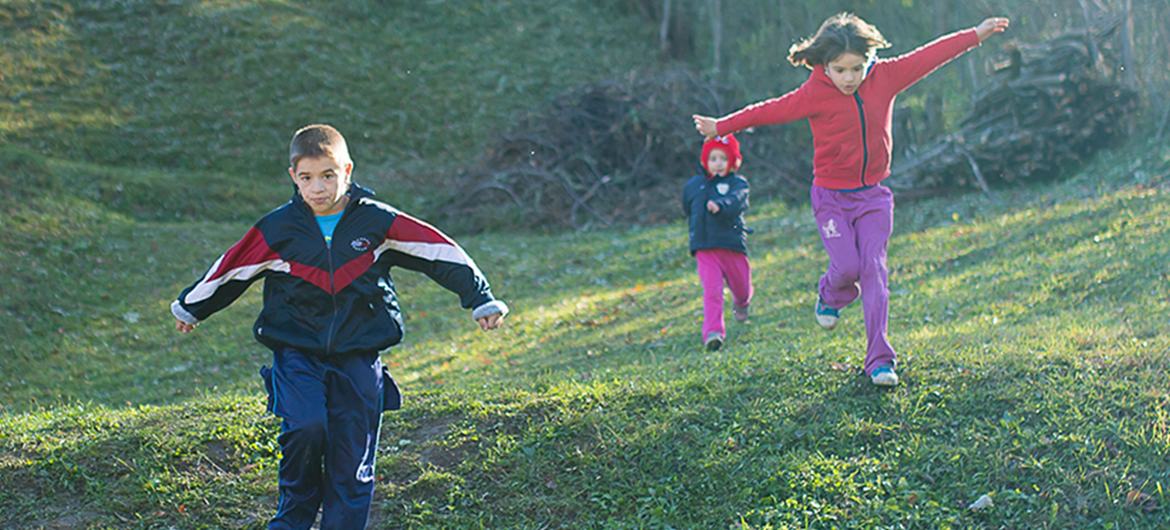
Unstructured physical activity improves the health of children and reduces the likelihood of obesity.
© UNICEF/Cybermedia
 
Unstructured physical activity improves the health of children and reduces the likelihood of obesity.
10 May 2023
Health

A new World Health Organization (WHO) report on obesity levels in Europe released on Wednesday, shows that roughly one in three primary school-aged children is living with obesity or are overweight, and this is only set to rise further.

The WHO European Regional Obesity Report 2022, was launched by the spouses of 16 European leaders and Heads of State, in the Croatian capital.

Childhood obesity data for WHO’s European Region, paints an alarming picture.

Challenging environment

Our children are increasingly growing up in environments that make it very difficult for them to eat well and be active. This is a root cause of the obesity epidemic,” said Dr Hans Henri P. Kluge, WHO Regional Director for Europe.

As societies and countries, we have so far failed to reverse the rising rates of childhood obesity, and that’s why WHO/Europe is here in Croatia, at the invitation of Professor Milanović, spouse of the President, to galvanize political support for this truly insidious public health crisis before it becomes even more difficult to address.”

Dangerous projections

Based on current trends and looking exclusively at obesity in the WHO European Region, which covers 53 countries across Europe and Central Asia, the World Obesity Atlas 2023 published by the World Obesity Federation, projects that between 2020 and 2035, there will be:

  • a 61% increase in the number of boys living with obesity,
  • a 75% increase in the number of girls living with obesity,
  • with a total 17 million boys and 11 million girls aged 5-19 living with obesity in the region in 2035. 
  • Issues involving being overweight and obesity across all age groups are projected to cost the WHO European Region $800 billion annually, by 2035. 

Identifying solutions

WHO European Region has identified three specific actions to counter current projections and help prevent this silent epidemic from getting worse:

Prevention is better than cure: efforts to reduce childhood obesity must start early, right from pregnancy and early childhood. Prevention needs to focus on good nutrition at all stages of a child’s life. Prevention efforts are also needed in homes, schools, and the wider community.

Regulating the food and beverage industry: the most effective policies to tackle childhood obesity include imposing a tax on sugary drinks, requiring clear front-of-package labelling, and restricting marketing of unhealthy foods to children.

Promoting physical activity: this includes better urban design and transportation policies, physical activity in the school curriculum and extra-curricular activities, and clear messaging to support active lifestyles throughout the life course.  

Tweet URL

The link between obesity and other diseases

Being overweight and obesity are among the leading causes of death and disability in the European Region, with recent estimates suggesting they cause more than 1.2 million deaths annually, corresponding to more than 13% of total mortality.

Obesity increases the risk for many noncommunicable diseases (NCDs), including cardiovascular diseases, type 2 diabetes, and chronic respiratory diseases.

Obesity is also considered a cause of at least 13 different types of cancer and is likely to be directly responsible for at least 200,000 new cancer cases annually across the Region, with this figure set to rise further in the coming years.

Also, overweight people and those living with obesity, have been disproportionately affected by the consequences of the COVID-19 pandemic, often experiencing more severe disease and other complications. 

“Because obesity is so complex, influenced by different factors like genetics, environment, and socioeconomic status, no single intervention can halt its rise,” explained Dr Kluge.

Any national policies aiming to address the issues of overweight and obesity must have high-level political commitment behind them. They should also be comprehensive, reaching individuals across the life course and targeting inequalities.”


https://news.un.org/en/story/2023/05/1136547


https://creativecommons.org/licenses/by/3.0/legalcode