Избранное сообщение

Показаны сообщения с ярлыком Human Rights. Показать все сообщения

суббота, 29 июня 2024 г.

UN rights chief calls time on ‘economic violence’ against women and girls

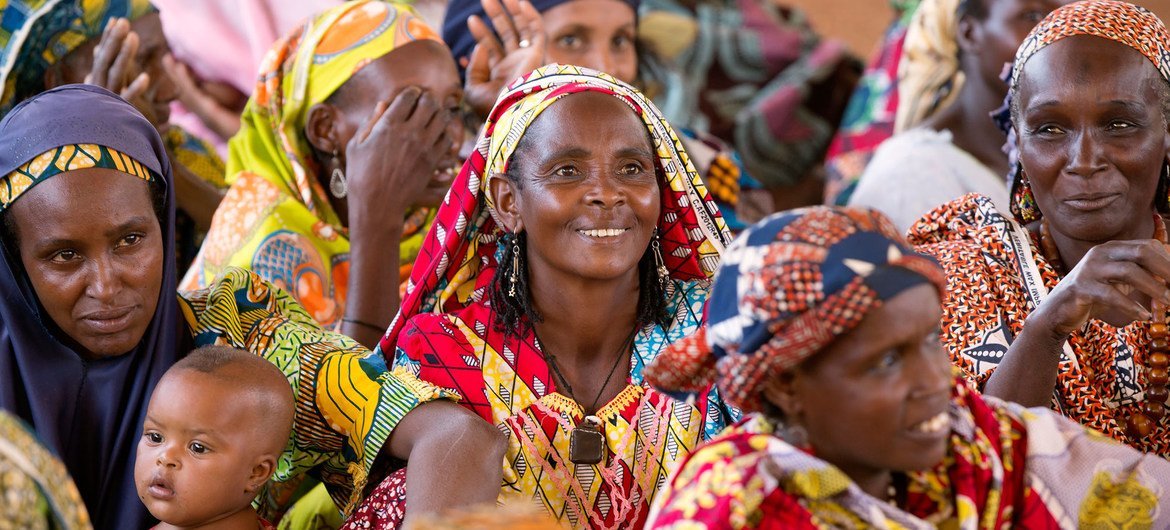
Women attend a community meeting in Cameroon.
UN Women/Ryan Brown
 
Women attend a community meeting in Cameroon.


28 June 2024 

Human Rights

On Friday, at the UN Human Rights Council's (OHCHR) first panel for the annual full-day discussion on women's rights, The UN human rights chief Volker Türk on Friday told a Human Rights Council panel that it’s time to eliminate laws and practices that contribute to “economic violence” against women and girls.

During his opening statement to the all-day panel dedicated to women and human rights, Mr. Türk said there had been “extraordinary progress” thanks to the worldwide women’s movement.

But the very fact that a separate panel needed to be convened on gender-based violence shows that progress has been “hard-won and fragile”, he added.

The meeting’s focus on so-called economic violence as a part of a wider pattern of gender-based violence occurs when a woman or girl is denied access to financial resources as a form of abuse or control.

Tweet URL

Mr. Türk noted that one in three women have been subjected to some form of violence – physical, sexual, psychological or economic – at least once in their life.

“If one in three men globally were subject to such devastating and pervasive harm, an emergency summit would be convened,” he said.

Unseen, unregulated

The High Commissioner said economic violence often goes unseen or unregulated but could be just as harmful as physical violence, as it usually includes forms of control, exploitation and sabotage.

“While economic violence most commonly occurred in the home, it could also be enabled and perpetrated by the State through discriminatory legal frameworks which restricted women’s access to credit, employment, social protection, or property and land rights,” he said.

Mr. Türk declared that so far, global efforts to deliver on gender equality have failed, pointing out that 3.9 billion women worldwide faced legal barriers affecting their economic participation and women earn only 77 cents for every dollar paid to men, among other inequities.

Time to start over

Mr. Türk said there needed to be a thorough revision of discriminatory laws and practices to put a stop to economic violence.

“Gender equality needed to be positively fostered through laws governing all areas of life and there needed to be policy measures to ensure these laws were applied,” he said.

Further, he said there needed to be a stronger effort to ensure survivors of economic violence could seek justice and assistance.

“There needed to be better complaint mechanisms, economic and social support systems, more widely available psychological assistance, and for perpetrators to be brought to justice,” the High Commissioner said.

He emphasised that violence against women and girls was “abhorrent and inexcusable.”
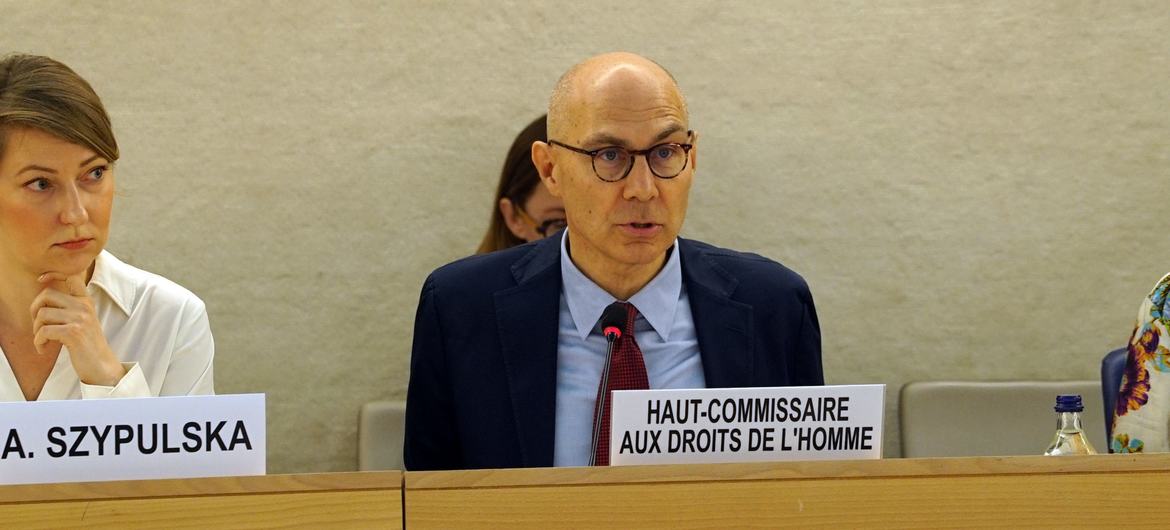
Volker Türk, UN High Commissioner for Human Rights, speaks at the UN Human Rights Council's (OHCHR) discussion on women's rights in Geneva.
UN Human Rights Council/Rajab Safarov
 
Volker Türk, UN High Commissioner for Human Rights, speaks at the UN Human Rights Council's (OHCHR) discussion on women's rights in Geneva.

Civil

During the forum, members of civil society also weighed in on the harm caused by economic violence.

Esther Waweru, Senior Legal Advisor at Equality Now, said inequality in the family was one of the main reasons for economic violence, paired with “retrogressive patriarchal gender norms.”

She said that 1.4 billion women globally lived in countries where economic violence was not recognised and where there are no protections; a practice she believes could leave more women and girls vulnerable to exploitation.

Ms. Waweru recommends that Member States enact comprehensive laws to criminalise sexual and gender-based violence and intimate partner violence – along with economic violence.

She called for laws to “repeal and revoke marital power clauses designating husbands as the head of the households” to “ensure equitable sharing of the joint property deriving from marriage” and equal labour rights.


https://news.un.org/en/story/2024/06/1151616


https://creativecommons.org/licenses/by/4.0/legalcode.en

пятница, 17 мая 2024 г.

Rights expert condemns death of Palestinian doctor in Israeli custody, urges independent inquiry


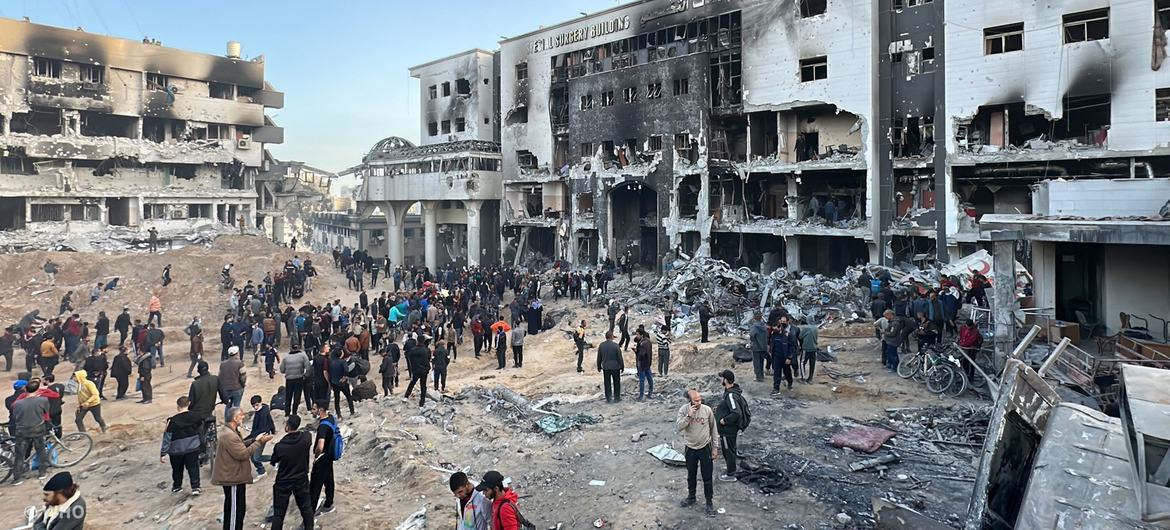
The Al Shifa hospital, one of the largest health facilities in Gaza, has been destroyed.
WHO
 
The Al Shifa hospital, one of the largest health facilities in Gaza, has been destroyed.


16 May 2024

Human Rights

A renowned Palestinian orthopaedic surgeon’s death in Israeli detention has been labelled “horrifying’ by a UN human rights expert, prompting calls for an independent international investigation.

Dr. Adnan Al Bursh, 50, the head of the orthopaedic department at Al-Shifa Hospital in Gaza City, died on April 19, 2024, in Ofer prison, a detention facility in the West Bank. His body has not yet been released by Israeli authorities.

Before his death, he had reportedly been beaten in prison, with his body showing signs of torture.

Dr. Al Bursh had been detained with other doctors and medical personnel by Israeli forces on 18 December 2023, at Al Awda Hospital in North Gaza. At that time, he was generally in good health and was performing his duties normally.

Call for independent probe

Tlaleng Mofokeng, UN Special Rapporteur on the right to health, said she was “horrified” by the news.

“He was detained while undertaking his duty to patients and caring for them according to the oath he took as a medical practitioner … he died for trying to protect the rights to life and health of his patients,” she said.

The expert underscored the need for an independent probe.

“Dr. Adnan’s case raises serious concerns that he died following torture at the hands of Israeli authorities. His death demands an independent international investigation,” the Special Rapporteur said.

Concerns of safety of healthworkers

Ms. Mofokeng also raised concerns over the safety of healthcare workers amidst Israel’s relentless military operation in Gaza following the brutal attacks by Hamas and other groups in southern Israel on 7 October.

“I am deeply saddened that I continue to receive reports of doctors being killed in this conflict,” she said.

Tweet URL
UN_SPExperts

The Ministry of Health in Gaza has reported that at least 493 healthcare workers from Gaza have been killed since 7 October 2023. This includes nurses, paramedics, doctors, and other medical personnel. Many more have been injured.

The UN World Health Organization (WHO) has reported that at least 214 healthcare workers have been detained by Israeli forces while on duty.

Doctors should not be killed

“The killing and detention of healthcare workers is not a legitimate method of warfare. They have a legitimate and essential role to care for sick and wounded persons during times of conflict,” Ms. Mofokeng said.

“Healthcare workers should not be killed practicing their profession.”

The Special Rapporteur urged Israel to immediately release all healthcare workers arbitrarily detained in Israel and the occupied Palestinian territory, and reiterated her call for an immediate ceasefire.

Independent expert

Appointed by the Human Rights Council – the UN’s highest intergovernmental forum on human rights – and forming a part of its Special Procedures, Special Rapporteurs are mandated to monitor and assess the rights situation in certain thematic or country situations.

They work voluntarily – independent of governments and the UN, are not UN staff and do not receive a salary.

https://news.un.org/en/story/2024/05/1149856

https://creativecommons.org/licenses/by/3.0/legalcode

понедельник, 26 февраля 2024 г.

With eyes on Gaza, Ukraine, UN chief launches rights protection pledge


With eyes on Gaza, Ukraine, UN chief launches rights protection pledge

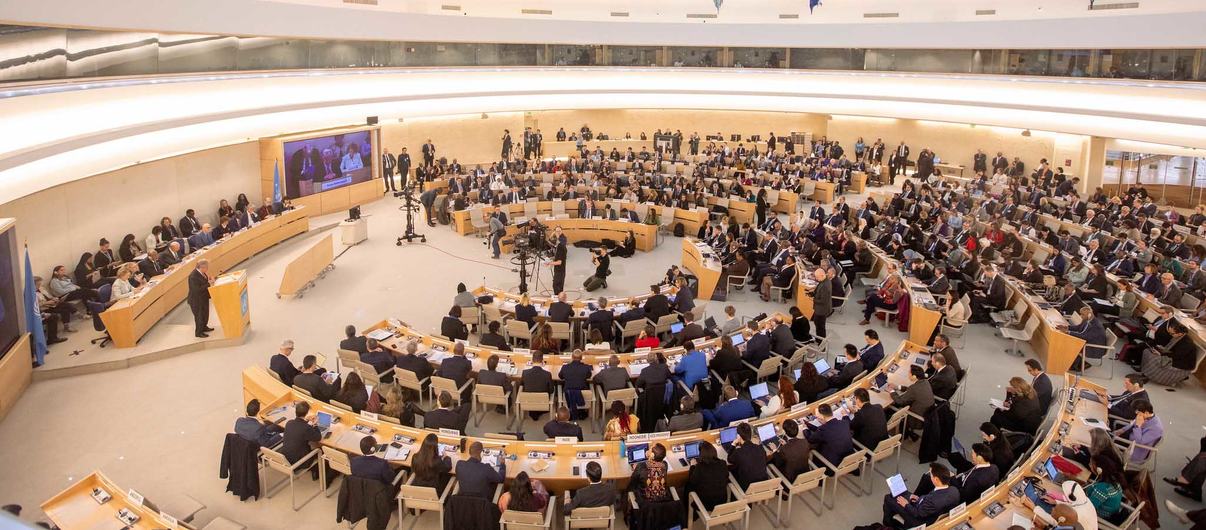
The UN Human Rights Council gathered in Geneva for its 55th session.
UN Photo / Elma Okic
 
The UN Human Rights Council gathered in Geneva for its 55th session.


26 February 2024
Human Rights

An all-out Israeli offensive on Rafah would spell the end for UN-led humanitarian relief to the people of Gaza, UN Secretary-General António Guterres warned on Monday, in a wide-ranging call to the international community to fulfil its “primary responsibility” of promoting and protecting human rights everywhere and for everyone.

Addressing the Human Rights Council in Geneva at the start of its first high-level session of the year, the UN chief insisted that any further extension of Israel’s ground operation in the south of Gaza “would not only be terrifying for more than a million Palestinian civilians sheltering there; it would put the final nail in the coffin of our aid programmes”. 

Rules of war ignored

The top human rights body also heard the UN chief decry how the  “rule of law and the rules of war” were being undermined from Ukraine to Sudan and from Myanmar to the Democratic Republic of the Congo and beyond – a theme echoed by the UN’s top human rights official, Volker Türk, and by President of the UN General Assembly, Dennis Francis.

To respond to these emergencies, and in a call for reasoned and long-term solutions to these conflicts and other serious threats to human rights around the world, UN chief Mr. Guterres emphasised that the Summit of the Future in September would be the ideal opportunity for Member States “to step up and re-commit to working for peace and security rooted in human rights”. 

Protection pledge

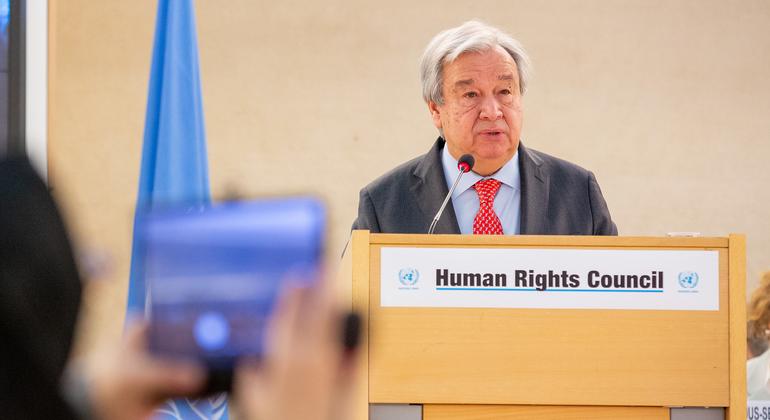
UN Secretary-General António Guterres addresses the 55th session of the Human Rights Council.
UN Photo / Elma Okic

Mr. Guterres also pledged the global body’s system-wide support to all governments in this endeavour, announcing the launch of the United Nations Agenda for Protection, in partnership with the UN human rights office, OHCHR.

“Under this Agenda, the United Nations, across the full spectrum of our work, will act as one to prevent human rights violations, and to identify and respond to them when they take place,” the Secretary-General said. “That is the Protection Pledge of all United Nations bodies: to do their utmost to protect people.”

Disinformation target

Tweet URL
volker_turk

Welcoming the UN chief’s initiative and offering to help advance people’s fundamental rights “in every circumstance, no matter how challenging”, UN High Commissioner for Human Rights Türk cautioned that the global body’s work was at serious risk from “continued attempts to undermine the legitimacy and work of the United Nations and other institutions”.

Mr. Türk explained that these attempts “include disinformation that targets UN humanitarian organizations, UN peacekeepers and my Office. The UN has become a lightning rod for manipulative propaganda and a scapegoat for policy failures”. 

This malign influence was “profoundly destructive of the common good, and it callously betrays the many people whose lives rely on it”, insisted the UN High Commissioner for Human Rights.

General Assembly chief’s alert

Echoing warnings that international humanitarian law and even the UN Charter were coming under increasing threat around the world, the head of the UN General Assembly, Dennis Francis, told the Human Rights Council that it was time for all global citizens to “do our part”.

Today, 75 years after the adoption of the Universal Declaration of Human Rights – “humanity’s cherished Magna Carta”  –  conflict, the impact of climate change “including the existential threat of sea-level rise” – had left 300 million people in dire need of humanitarian assistance, some 114 million of them being refugees and other displaced people, he warned. 

“We must not simply stand-by as callous observers, less we be seen as complicit in the expanding web of dehumanization…We must do our part,” he said.

Highlighting the crisis in the Middle East, the UN General Assembly President said that the suffering of innocent civilians in Gaza had reached an “unbearable tipping point”.

More than 90 per cent of the enclave’s population had been displaced and was now “teetering on the brink of starvation and trapped in the depths of an impending though avoidable public health catastrophe”, Mr. Francis told the forum’s 47 Member States.

Tweet URL
un_hrc

And as war continues in Gaza – triggered by unprecedented Hamas-led attacks and bloodshed that left some 1,200 butchered and more than 250 taken hostage on 7 October, “the most vulnerable suffer most”, Mr. Francis continued; “hostages and their families are living in anguish; women and children are facing desperate and uncertain futures; and innocent civilians are unjustly caught in life threatening crossfire.” 

In the name of humanity

To help the most vulnerable – not only in Gaza but in Ukraine, Haiti and Yemen, Sudan, the wider Sahel and Myanmar – the General Assembly President insisted: “we must not fail the victims – the victims of human rights violations… We must never tolerate or ignore the flagrant disregard for the rights and freedoms our forebearers worked so arduously to define and to codify. Nor should we ignore the systemic impunity with which it is perpetrated.”

Mr. Francis also insisted on the need for an “immediate humanitarian ceasefire” in Gaza and for humanitarian corridors to deliver aid to some 1.5 million homeless Palestinians “in the name of humanity”. 

The appeal by the President of the General Assembly came days after receiving a letter from the head of the UN agency for Palestinians, UNRWA, warning of a “monumental disaster” in Gaza and the West Bank, amid repeated Israeli calls to dismantle it and the freezing of $450 million in funding by dozens of donors.

“I implore  donor States to uphold and sustain their contributions to the critical funding necessary for UNRWA to discharge its mandated responsibilities to the Palestinians. Even in the midst of the current extraordinary challenges, UNRWA has been and continues to be an indispensable lifeline of support to the Palestinians,” Mr. Francis said.


https://news.un.org/en/story/2024/02/1146942


https://creativecommons.org/licenses/by/3.0/legalcode

пятница, 23 февраля 2024 г.

How to develop ‘ethical AI’ and avoid potential dangers


UNESCO calls out to implement its recommendations on the ethics of artificial intelligence to avoid its misuse.

How to develop ‘ethical AI’ and avoid potential dangers

Unsplash/D koi
 
UNESCO calls out to implement its recommendations on the ethics of artificial intelligence to avoid its misuse.


23 February 2024
Human Rights

After a year of hype surrounding the latest version of ChatGPT and other new AI tools, governments are starting to make concerted efforts to bring in effective regulations on the use of this powerful technology, with the support of the UN science agency, UNESCO. 

UNESCO first developed its Recommendations on the Ethics of Artificial Intelligence back in 2021, when much of the world was preoccupied by another international threat, the COVID-19 pandemic. The Recommendations, which were adopted by the 194 UNESCO Member States, contain concrete guidance on how public and private money can be channelled to programmes that benefit society.

Since then, a great deal of work has been done to put this guidance into practice, with legislators, experts and civil society representatives meeting at UNESCO forums to share information and report on progress.

Shortly after the 2024 forum, which took place in Slovenia in early February, Conor Lennon from UN News spoke to some of the participants: Aisen Etcheverry, Minister of Science and Technology in the Chilean Government; Irakli Khodeli, Head of the AI Ethics unit at UNESCO; and Mary Snapp, Vice President of Strategic AI Initiatives at Microsoft.

Aisen Etcheverry: We were one of the first countries to not only adopt the Recommendations, but also to implement them, with a model that ensures AI is being used ethically and responsibly. So, when ChatGPT came on to the market, and we saw all the questions it raised, we already had expert research centres in place, and capabilities within the government. Our companies were already working with AI, and we had basically all the pieces of the puzzle to tackle a discussion that is complicated on the regulation side. 

Over the last year things have evolved, and we’ve seen an increase in the use of AI by government and agencies, so we launched something similar to an executive order, basically instructions on how to use AI responsibly. 

One great example is at the agency charged with providing social benefits. They generated a model that allows them to predict which people are least likely to ask for the benefits that they’re entitled to. Then they send people to go and visit those who have been identified, to inform them of their entitlements. I think it's a beautiful example of how technology can enhance the public sector, without removing the human interaction that is so important, in the way governments and citizens interact. 

Artificial Intelligence can contribute to fighting climate change and supporting progress towards all the SDGs.
UN Photo/Elma Okic
 
Artificial Intelligence can contribute to fighting climate change and supporting progress towards all the SDGs.

UN News: What is your government doing to protect citizens from those who want to use AI in harmful ways? 

Aisen Etcheverry:  The UNESCO recommendations really helped us to develop critical thinking about AI, and regulations. We have been having public consultations with experts, and we hope that we can present a bill to Congress in March.

We have also been thinking about how we can train people, not necessarily in programming, but to empower those who are using and designing AI, so that they are more responsible for the outcome, from a more social perspective. 

On a related subject, we need to remember that there is a digital divide: many people do not have access to digital tools. We need regional and international cooperation to ensure that they benefit from this technology.

Irakli Khodeli: Tackling the digital divide is a big part of the UNESCO recommendations. One of the fundamental ideas on which the agency is based is that science, and the fruits of scientific progress, should be equitably divided amongst all peoples. That rings true for Artificial Intelligence, because it holds so much promise for assisting humans in achieving our socio-economic and developmental goals.

That’s why it’s important that, when we talk about the ethical use and development of AI, we don’t just focus on the technologically advanced part of the world, where the companies are actually wielding these tools, but we also reach out to the global south countries that are in different stages of development, to involve them in this conversation about the global governance of AI. 

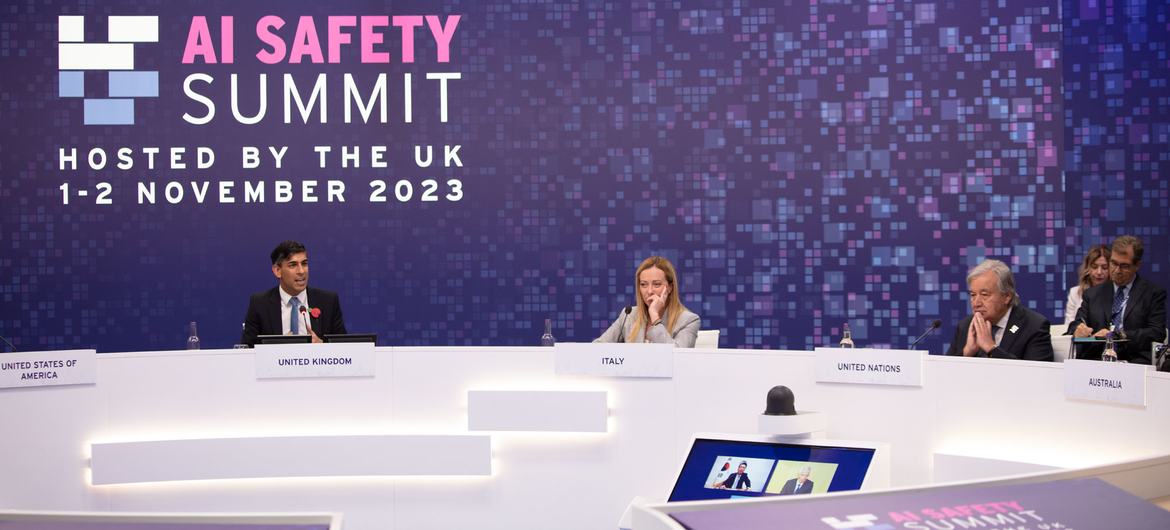
United Nations Secretary-General António Guterres (right) attends the AI Safety Summit in London, UK.
UN Photo/Alba García Ruiz
 
United Nations Secretary-General António Guterres (right) attends the AI Safety Summit in London, UK.

Mary Snapp: Technology is a tool that can enhance human experience, or it can be used as a weapon. That's been true since the printing press and it’s true now. So, it’s very important for us, as an industry, to ensure that there are safety breaks, that we know what computers can do and what technology can do, and what it should not do. 

Frankly, in the case of social media, perhaps we didn't address the issues earlier on; this is an opportunity to really work together early on, to attempt to mitigate what could be some more negative effects, while still recognizing the tremendous promise of the technology. 

UN News: At the UNESCO meeting in Slovenia, Microsoft signed up to an agreement to develop AI on ethical lines. What does that mean in practice?

Mary Snapp:  In 2019, we created an office of responsible AI, that sits within [Microsoft President] Brad Smith's organization. This office has a team of experts; not only technology experts, but also humanities academics, sociologists, and anthropologists. We do things like “red teaming” [using ethical hackers to emulate real attacks on technology], encouraging the AI to do harmful things, so that we can mitigate that. 

We don’t necessarily share exactly how the technology will work, but we want to ensure that we are sharing the same principles with our competitors. Working side by side with UNESCO is absolutely critical to doing this work right for humanity. 

This discussion is taken from the latest episode of the UN’s flagship news podcast, The Lid Is On, which covers the various ways that the UN is involved in global efforts to make AI, and other forms of online technology safer.

You can listen to (and now watch!) The Lid Is On, on all major podcast platforms. 


https://news.un.org/en/interview/2024/02/1146762


https://creativecommons.org/licenses/by/3.0/legalcode

суббота, 16 сентября 2023 г.

Rights expert appeals for action to tackle elder abuse


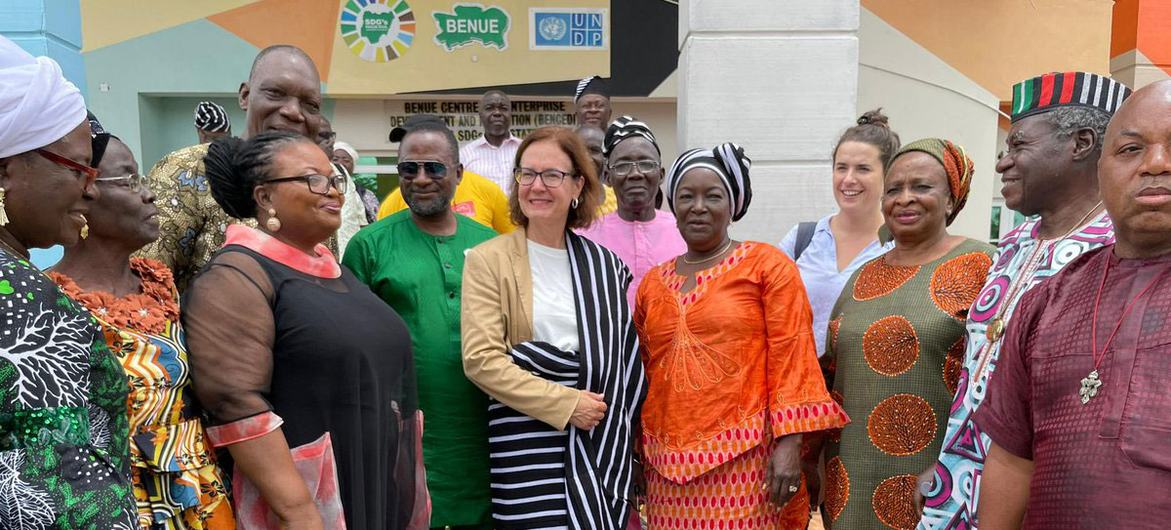
Claudia Mahler, UN Independent Expert on the Enjoyment of all Human Rights by Older Persons, during her visit to Makurdi, Benue State, Nigeria, in September 2022.
OHCHR/Claudia Mahler
 
Claudia Mahler, UN Independent Expert on the Enjoyment of all Human Rights by Older Persons, during her visit to Makurdi, Benue State, Nigeria, in September 2022.
15 September 2023
Human Rights

A UN-appointed human rights expert on Friday called for urgent action and better data to stamp out the widespread problem of elder abuse. 

Claudia Mahler, UN independent expert on the enjoyment of all human rights of older persons, made the appeal in her annual report to the UN Human Rights Council in Geneva.

She said violence against older persons remains unaddressed despite being widespread, pervasive and putting millions of older persons at risk, amid a rapidly ageing world.

Not a priority 

“Combatting abuse in old age is not a priority at national, regional or global levels,” she added.

Ms. Mahler cited information from the World Health Organization (WHO), which estimates that one is six older persons has experienced some form of violence. 

In her report, she noted that violence, neglect and abuse in old age has far-reaching consequences to both mental and physical well-being, underscoring the need for adequate interventions and solutions. 

Cases spike in crises

“An increase in violence against older persons was noticed during ongoing crises such as the COVID-19 pandemic, as well as in armed conflicts and the consequences of climate change,” she said.

“Crises lead to economic setbacks, which put more strain on support structures worldwide, which in turn may put more older persons at risk of suffering from violent acts.”

While there is currently no globally accepted definition of “elder abuse”, she said five forms of abuse can be identified: physical; psychological or emotional; sexual; financial or material; and neglect.

Ageism fuels abuse 

Ms. Mahler also recognised hate speech as an additional form of abuse against older persons.

“Ageism plays a significant role and risk factor in the prevalence of abuse on older persons,” she said.

“Negative stereotypes and bias underlie the concept of ageism and can lead to harmful consequences, including violence against and abuse and neglect of older persons”.

Prevent and protect

Ms. Mahler’s report identifies several actions to prevent and protect against abuse of older persons, including legislative and policy interventions, prevention programmes, provision of age-appropriate community services, law enforcement response and access to justice.  

She also encouraged the effective collection and analysis of data on the prevalence of violence, abuse and neglect cases. 

“Such data is crucial to provide a comprehensive understanding of the issue. The diversity of older persons should be integrated in data-collection methodologies and protocols,” she recommended.

Independent voices

Independent experts are appointed by the UN Human Rights Council to monitor specific country situations and thematic issues. 

They work on a voluntary basis. serve in their individual capacity and are independent from any government or organization. 

The experts are not UN staff and do not receive payment for their work. 

https://news.un.org/en/story/2023/09/1140817

https://creativecommons.org/licenses/by/3.0/legalcode

Time to revoke death penalty for social media dissent,UN experts urge


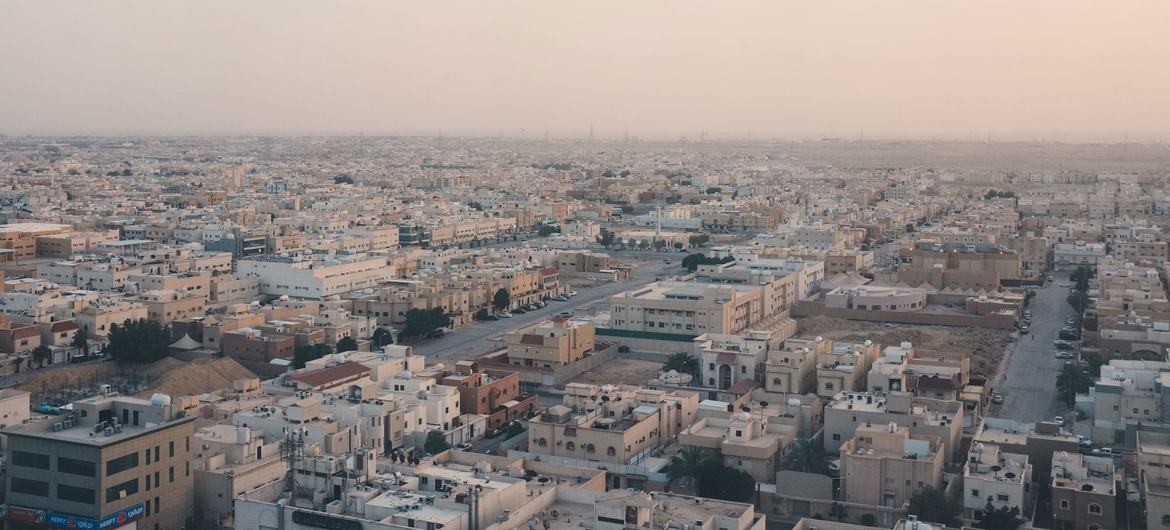
A bird's eye view of the city of Riyadh, Saudi Arabia.
Unsplash/Stijn te Strake
 
A bird's eye view of the city of Riyadh, Saudi Arabia.
15 September 2023
Human Rights

Saudi Arabia must immediately revoke the death sentence handed down to Mohammed Al Ghamdi for posting critical views online, as the crackdown on freedom of expression in the country continues to escalate, independent UN human rights experts said on Friday.

Mr. Al Ghamdi was arrested by the Saudi security services on 11 June 2022 and charged with criminal offences for opinions he expressed on social media platforms X and YouTube.

The charges included “betrayal of his religion, country, and rulers;” “spreading false rumours with intent to disrupt public order and destabilise security;” and “supporting terrorist ideology and a terrorist group.”

‘Heinous crimes’

On 10 July this year, Saudi Arabia’s Specialised Criminal Court found Mr. Al Ghamdi guilty and sentenced him to death. According to the court, Mr. Al Ghamdi was being severely punished for “heinous crimes” that were allegedly “amplified through a global media platform.”

“The mere expression of critical views online cannot meet the threshold under international law for the imposition of the death penalty,” urged the human rights experts.

“Under no circumstances do the alleged crimes constitute the ‘most serious’ crimes,” they added.

‘Clear and chilling message’

The Human Rights Council-appointed experts stressed that freedom of expression and opinion were critical to achieving a free and democratic society and sustainable development.

Tweet URL

“It is alarming that Saudi Arabia’s punishments for online expression include the death penalty or prison sentences of several decades under anti-terrorism laws. These punishments are completely inconsistent with international law and human rights standards,” the experts said.

“The arrest, detention and sentencing to death of Muhammad Al Ghamdi sends a clear and chilling message to all those who wish to express themselves freely in Saudi Arabia.”

‘Flagrant violation’ of human rights

The human rights experts urged the Specialised Criminal Court and other judicial institutions in Saudi Arabia to grant Mr. Al Ghamdi a stay of execution, or temporary hold on legal proceedings.

“We are deeply concerned by reports that Mr. Al Ghamdi’s mental health has deteriorated since his detention, aggravated by the lack of medical care and the conditions of his detention,” the experts said.

“This sentence, if carried out, would constitute a flagrant violation of international human rights standards and will be considered an arbitrary execution.”

Special Rapporteurs

Special Rapporteurs are part of the Special Procedures of the Human Rights Council, work on a voluntary and unpaid basis, are not UN staff, and work independently from any government or organisation.


https://news.un.org/en/story/2023/09/1140822


https://creativecommons.org/licenses/by/3.0/legalcode

среда, 13 сентября 2023 г.

Libya floods: UN providing aid as disaster response team deploys


Catastrophic flooding breaks dams and sweeps away buildings and homes in Libya.
© WHO
 
Catastrophic flooding breaks dams and sweeps away buildings and homes in Libya.
13 September 2023
Human Rights

The UN system is providing aid to areas in eastern Libya impacted by the weekend floods and a disaster assessment team has been deployed to support government response and relief operations, the UN said on Wednesday.

More than 5,000 people have reportedly died, many of them residents of Derna, which was struck by a torrent of water from two dams which burst, sweeping away whole neighbourhoods of the port city. 

“Search and rescue operations are actively underway, led by national agencies, military, the Libyan Red Crescent and local volunteers”, said a statement released by the UN Spokesperson’s Office.

Catastrophic flooding breaks dams and sweeps away buildings and homes in Libya.
© WHO
 
Catastrophic flooding breaks dams and sweeps away buildings and homes in Libya.

Supporting role

The Resident and Humanitarian Coordinator in Libya, Georgette Gagnon, has tasked an emergency response team to support local authorities and partners.

 A team from the Geneva-based UN Disaster Assessment and Coordination (UNDAC) operation, part of humanitarian coordination office OCHA, has been deployed to support response and relief operations. 

Emergency Relief Coordinator, Martin Griffiths, announced on Tuesday an initial allocation of $10 million from the Central Emergency Response Fund (CERF) to support those affected by the floods. 

Oil-rich Libya has in effect been split since 2014 between an interim, internationally recognized Government operating from the capital, Tripoli, and another one in the east, with many armed groups also operating on its territory. The two sides signed a ceasefire in 2020, but political rivalries continue.

‘Brutally swept away’

The UN human rights chief, Volker Türk, issued a statement on Wednesday saying he was profoundly distressed “that thousands of lives have been so brutally swept away in eastern Libya, and so many more people have lost their loved ones, their homes, their communities, and their access to basic needs.”

He called on all Libyan political actors to overcome the deadlock preventing national unity and division, “and to act collectively in ensuring access to relief.”

“This is a time for unity of purpose: all those affected must receive support, without regard for any affiliations. It is important that particular care is taken to ensure protection of groups in vulnerable situations – who are rendered even more at risk in the aftermath of such a disaster.”

Tweet URL

Help ‘any way we can’

Speaking to reporters earlier at UN Headquarters in New York, Secretary-General António Guterres said that the UN was ready to “work in any and every way we can with partners to help get emergency assistance to those who so desperately need it.”

The UN World Food Programme (WFP) said on Wednesday it had despatched its first shipment of food assistance to Libya in the wake of the floods which have left more than 10,000 injured or missing. 

In coming days, WFP aims to reach more than 5,000 families whose lives were turned upside down when the dams burst after being hammered by Hurricane Daniel over the weekend.

‘Out of control’

“Entire neighborhoods in Derna disappeared, along with their residents, swept away by water after the two aging structures collapsed, creating a catastrophic situation that is out of control”, said WFP. 

Derna is the worst-affected city while Albayda, Almarj, Benghazi, Bayada, Al Owailia, Taknes (AlJabal Al Akhdar), Talmeitha, Tobruk, Toukra, Shahhat, and Sousa were also hit. 

On Tuesday, WFP commenced its response with cooperating partner LibAid, distributing rations – that include sugar, pasta, rice, wheat flour, tomato paste, white beans and cooking oil – to hundreds of families across 16 locations in the capital of the eastern administration, Benghazi. 

More than 2,000 storm-affected and displaced people who fled from Derna to Benghazi have already received food and distributions are ongoing. 

WFP already assists more than 52,000 people in with in-kind food and cash grants in Libya, including internally displaced people, returnees, and migrants in urban areas. 


https://news.un.org/en/story/2023/09/1140767


понедельник, 24 июля 2023 г.

UNHCR, IOM outline new approach to assist growing number of migrants


Exhausted migrants take the last steps out of the Darien jungle and into a community.
IOM/Gema Cortés
 
Exhausted migrants take the last steps out of the Darien jungle and into a community.

24 July 2023
Migrants and Refugees

In a world characterised by economic crises, conflicts, and natural disasters, the uptick in migration is proving to be one of the most important geopolitical phenomena of the century. The adverse effects of climate change and environmental degradation are increasingly driving people from their homes.

The International Conference on Development and Migration, held on Monday, brought together several UN agencies and representatives from multiple countries involved in managing migration flows to address challenges such as irregular migration and forced international displacement.

‘Complex challenges’

“Forced displacement and mixed movements are complex challenges for all: countries of origin, countries of transit and countries of destination,” said UNHCR High Commissioner, Filippo Grandi. 

“Addressing them requires international cooperation, resources, and patient work because there are many and overlapping reasons people move – violence, conflict, persecution for some; climate change, bad governance, lack of economic opportunities for others.”

UNHCR advocated for an updated “whole-of-route” approach to address mixed flows of refugees and migrants, taking into account the entire spectrum of situations people find themselves in.

The first point of the new approach is to ensure that access to territory for asylum seekers must be respected as a fundamental human right and an obligation of States everywhere.

“Pushbacks and collective expulsions, especially to places and situations that are unsafe, are never acceptable,” said Mr. Grandi

For those not in need of international protection, safe, sustainable, and dignified returns to countries of origin are critical.

The new approach also stipulates that saving lives must remain the top priority for governments everywhere, both at sea and on land. 

Increasing investment

The International Organization for Migration (IOM) emphasised the importance of continued investment in managing the growing numbers. 

“Last year, natural disasters displaced 32.6 million people: 7.5 million in sub-Saharan Africa alone. But this is just the beginning. The UN Framework Convention on Climate Change (UNFCCC) estimates that more than 300 million people live in communities that are extremely vulnerable to climate change,” said IOM incoming chief, Amy Pope.  

“No government or international organisation can do this work alone. We need to invest in partnerships in all sectors of society, we need the private sector to invest, recognising that they benefit from good migration management, and we need the support of civil society,” she added.

Economic incentives

Migration, if properly managed, can contribute to the development of all countries – whether host, source, or transit – involved in this phenomenon, and societies at all levels, say the lead UN agencies on the issue. 

“Evidence shows that well-managed migration spurs economic development. Considering the demographic trends and the changing global labour market, we must start now to create more comprehensive, inclusive, and strategic migration solutions and integrate more strategic and humane mobility policies into regional and national adaptation plans,” said Ms. Pope. 

Safer alternatives

The new approach also highlights how expanding legal migration channels like family reunification, resettlement, scholarships, and other mechanisms that provide opportunities, will be crucial to providing safer alternatives to migrants. 

Addressing the root causes of displacement is the final piece of the puzzle to ending the refugee crisis, as outlined in the new approach. 

“All must do much more to address the climate emergency, promote good governance, invest in development, end conflict and persecution, and protect human rights,” said Grandi.

“These efforts can only be strategic if they are collective, on the part of all States and institutions concerned. I hope this conference will – finally – encourage all to work together in this direction,” he added.

 https://news.un.org/en/story/2023/07/1139047
https://creativecommons.org/licenses/by/3.0/legalcode

среда, 31 мая 2023 г.

Regulation essential to curb AI for surveillance, disinformation: rights experts


The UN says it's concerned about the potential misuse of surveillance technology to illegally undermine people’s human rights.
Unsplash/Chris Yang
 
The UN says it's concerned about the potential misuse of surveillance technology to illegally undermine people’s human rights.
2 June 2023
Human Rights

Artificial intelligence (AI)-powered spyware and disinformation is on the rise, and regulation of the space has become urgent, according to UN-appointed independent rights experts.

In a statement on Friday, the experts said that emerging technologies, including artificial intelligence-based biometric surveillance systems, are increasingly being used “in sensitive contexts”, without individuals’ knowledge or consent

‘Urgent red lines’ must be drawn

“Urgent and strict regulatory red lines are needed for technologies that claim to perform emotion or gender recognition,” said the experts, who include Fionnuala Ní Aoláin, Special Rapporteur on the promotion and protection of human rights while countering terrorism.

Tweet URL

The Human Rights Council-appointed experts condemned the already “alarming” use and impacts of spyware and surveillance technologies on the work of human rights defenders and journalists, “often under the guise of national security and counter-terrorism measures”.

They also called for regulation to address the lightning-fast development of generative AI that’s enabling mass production of fake online content which spreads disinformation and hate speech.

Real world consequences

The experts stressed the need to ensure that these systems do not further expose people and communities to human rights violations, including through the expansion and abuse of invasive surveillance practices that infringe on the right to privacy, facilitate the commission of gross human rights violations, including enforced disappearances, and discrimination.

They also expressed concern about respect for freedoms of expression, thought, peaceful protest, and for access to essential economic, social and cultural rights, and humanitarian services.

“Specific technologies and applications should be avoided altogether where the regulation of human rights complaints is not possible,” the experts said.

The experts also expressed concern that generative AI development is driven by a small group of powerful actors, including businesses and investors, without adequate requirements for conducting human rights due diligence or consultation with affected individuals and communities.

And the crucial job of internal regulation through content moderation, is often performed by individuals in situations of labour exploitation, the independent experts noted.

More transparency

“Regulation is urgently needed to ensure transparency, alert people when they encounter synthetic media, and inform the public about the training data and models used,” the experts said.

The experts reiterated their calls for caution about digital technology use in the context of humanitarian crises, from large-scale data collection – including the collection of highly sensitive biometric data – to the use of advanced targeted surveillance technologies.

“We urge restraint in the use of such measures until the broader human rights implications are fully understood and robust data protection safeguards are in place,” they said.

Encryption, privacy paramount

They underlined the need to ensure technical solutions – including strong end-to-end encryption and unfettered access to virtual private networks – and secure and protect digital communications.

“Both industry and States must be held accountable, including for their economic, social, environmental, and human rights impacts,” they said. “The next generation of technologies must not reproduce or reinforce systems of exclusion, discrimination and patterns of oppression.”

Special Rapporteurs and other rights experts are all appointed by the UN Human Rights Council, are mandated to monitor and report on specific thematic issues or country situations, are not UN staff and do not receive a salary for their work.


 https://news.un.org/en/story/2023/06/1137302

https://creativecommons.org/licenses/by/3.0/legalcode

среда, 3 мая 2023 г.

Fragile gains on reducing child marriage, under threat from ‘polycrisis’: UNICEF


This 14-year-old  Ugandan girl was forced into marriage by her parents at 8 years old.
© UNICEF/Stuart Tibaweswa
 
This 14-year-old Ugandan girl was forced into marriage by her parents at 8 years old.
2 May 2023
Human Rights

The practice of child marriage has continued to decline globally, the UN Children’s Fund (UNICEF) said in a new report published on Wednesday, warning that a ‘polycrisis’ including war, climate shocks, and the continuing COVID pandemic, is putting the fragile gains made towards ending the scourge, under threat.

Currently, one in five young women aged 20 to 24, were married as children, versus nearly one in four a decade ago, according to the new analysis, entitled, Is an End to Child Marriage within Reach? Latest trends and future prospects.

Tweet URL

Dreams crushed

“The world is engulfed by crises on top of crises that are crushing the hopes and dreams of vulnerable children, especially girls who should be students, not brides,” said UNICEF Executive Director Catherine Russell.

“Health and economic crises, escalating armed conflicts, and the ravaging effects of climate change are forcing families to seek a false sense of refuge in child marriage. We need to do everything in our power to ensure that their rights to an education and empowered lives are secured.”

Immediate consequences

Girls who marry in childhood face immediate and lifelong consequences. They are less likely to remain in school, and face an increased risk of early pregnancy, in turn increasing the risk of child and maternal health complications and mortality, UNIFED notes.

The practice can also isolate girls from family and friends, and exclude them from participating in their communities, taking a heavy toll on their mental health and well-being.

The report cites global progress, driven predominantly by a decline in India, though this country is still home to the largest number of child brides worldwide.

Progress is also evident in other contexts, including in populous countries where the practice has historically been common, such as Bangladesh and Ethiopia, as well as in smaller countries with lower levels of child marriage that are moving closer to elimination, such as Maldives and Rwanda, the analysis says.

The experiences of these countries illustrate that progress is possible in a variety of settings, UNICEF said.

Still, they tend to share common threads, including improvements in economic development, poverty reduction, access to employment and educational attainment at the secondary school level.

Community activists in Odisha state, India, highlight the dangers of child marriage.
© UNICEF
 
Community activists in Odisha state, India, highlight the dangers of child marriage.

Threat multiplier

Worldwide, conflict, climate-related disasters, and the ongoing impacts of COVID-19 – especially rising poverty, income shocks, and school dropout – are helping to increase the drivers of child marriage while also making it difficult for girls to access health care, education, social services, and community support that protect them from child marriage.

As a result, girls living in fragile settings are twice as likely to become child brides as the average girl globally, the analysis notes.

For every ten-fold increase in conflict-related deaths, there is a seven per cent increase in the number of child marriages. At the same time, extreme weather events driven by climate change increase a girl's risk, with every 10 per cent deviation in rainfall connected to around a 1 per cent increase in the prevalence of child marriage.

Precious gains to end child marriage in the past decade are also being threatened by the ongoing impacts of COVID-19, the analysis warns. It is estimated that the pandemic has already cut the number of child marriages that could have been averted since 2020, by one-quarter.

"We’ve proven that progress to end child marriage is possible. It requires unwavering support for vulnerable girls and families,” added Ms. Russell. “We must focus on keeping girls in school and making sure they have economic opportunities."


 https://news.un.org/en/story/2023/05/1136287


https://creativecommons.org/licenses/by/3.0/legalcode

суббота, 15 апреля 2023 г.

Yemen: UN envoy welcomes mass prisoner release, urges push for political solution to war

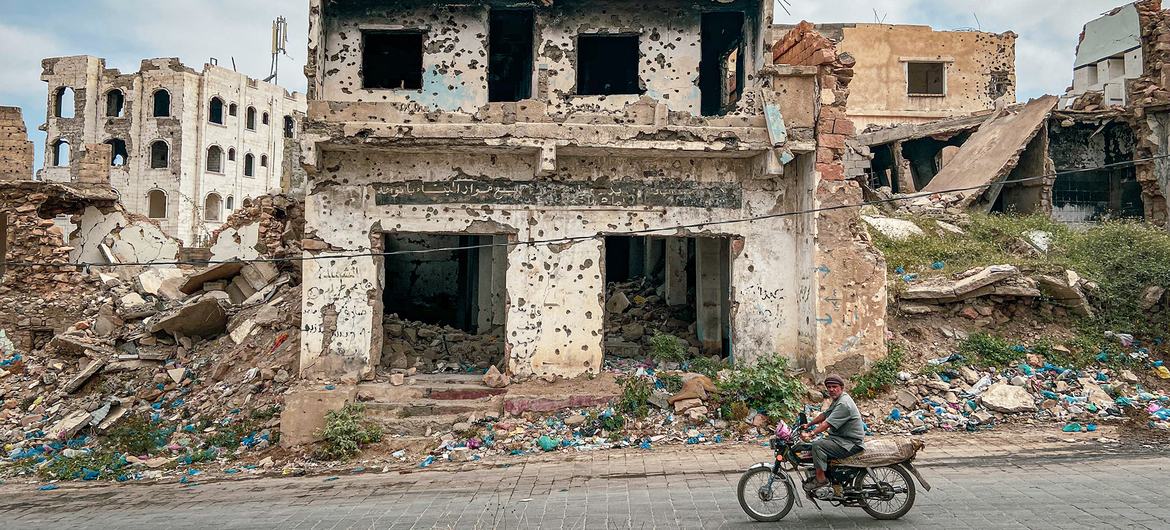
The Al Gahmalyya neighbourhood in Taiz City, Yemen, has been severely damaged as a result of years of conflict.
© WFP/Mohammed Awadh
 
The Al Gahmalyya neighbourhood in Taiz City, Yemen, has been severely damaged as a result of years of conflict.
14 April 2023


As a major exchange of prisoners linked to Yemen’s longstanding war began on Friday, UN Special Envoy Hans Grundberg urged the warring sides to continue their search for a peaceful future for the embattled country.

“Nearly 900 conflict-related detainees are being released by the parties in Yemen starting today, Friday, and over the course of three days,” the Office of the Special Envoy of the Secretary-General for Yemen said in a statement.

“This release operation comes at a time of hope for Yemen as a reminder that constructive dialogue and mutual compromises are powerful tools capable of achieving great outcomes,” Mr. Grundberg’s office added.


Swiss connection

The development is in line with an agreement reached by the Supervisory Committee on the Detainees’ Exchange Agreement, which announced the initiative at UN Geneva in March.

Facilitated by Special Envoy Grundberg and the International Committee of the Red Cross, the agreement involves the freeing of 887 conflict-related detainees, held over the course of more than eight years of clashes between Yemen’s Government and Houthi opposition fighters that are widely believed to have killed thousands and created what the UN has described as the worst humanitarian emergency in the world.

“More releases” are planned once Yemen’s warring parties meet in May, according to the Special Envoy’s Office, which noted that the Red Cross is managing the release operation which includes flights between six airports in Yemen and Saudi Arabia to repatriate all prisoners.


Ramadan cheer

“Today, hundreds of Yemeni families get to celebrate Eid with their loved ones because the parties negotiated and reached an agreement. I hope this spirit is reflected in ongoing efforts to advance a comprehensive political solution,” said Special Envoy Grundberg.

After highlighting that “thousands more families are still waiting to be reunited with their loved ones”, the UN official expressed hope that the warring parties would “build on the success of this operation to fulfill the commitment they made to the Yemeni people” in talks in Sweden in 2018, “to release all conflict-related detainees and bring this suffering to an end”.

Apart from carrying out prisoner exchanges, the two other main components of the Stockholm Agreement – endorsed by the UN Security Council under resolution 2451 (2018) – covered an agreement on the city of Hudaydah; the ports of Hudaydah, Salif and Ras Issa, and “a statement of understanding” on the city of Taiz.

In his statement, Special Envoy Grundberg also urged the parties “to immediately and unconditionally release all arbitrarily detained individuals and to adhere to international legal standards” regarding detention and fair trials.


 https://news.un.org/en/story/2023/04/1135642

https://creativecommons.org/licenses/by/3.0/legalcode