Избранное сообщение

Показаны сообщения с ярлыком West and Central Africa. Показать все сообщения

пятница, 9 мая 2025 г.

More than 50 million in West and Central Africa at risk of hunger


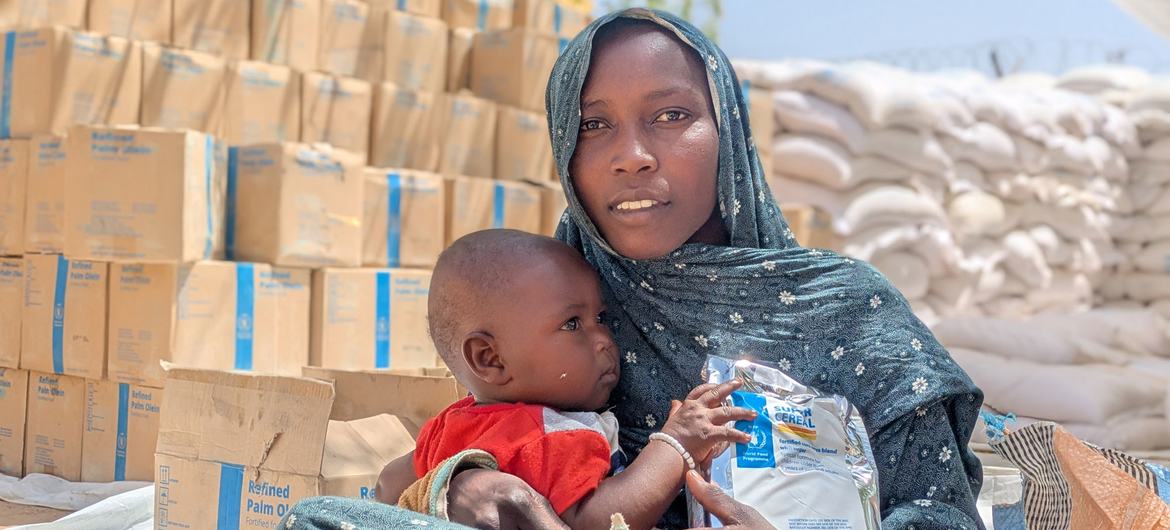
Oumalis Abdraman and her six-month-old baby arrived from Western Darfur in Koulbus where they were WFP treated for malnutrition.
© WFP/Lena von Zabern
 
Oumalis Abdraman and her six-month-old baby arrived from Western Darfur in Koulbus where they were WFP treated for malnutrition.


9 May 2025 

Humanitarian Aid

The UN World Food Programme (WFP) has warned that millions of people in West and Central Africa are facing record hunger as conflict, displacement, economic hardship and repeated extreme weather push the region towards a major crisis. 

More than 36 million are struggling to meet their basic food needs, which is projected to rise to over 52 million during the lean season from June to August, latest analysis reveals.

This includes almost three million people facing emergency conditions, and 2,600 people in Mali who are at risk of catastrophic hunger.

Tweet URL

Although needs are at a historic high, resources are limited, with millions of lives at stake. 

“Without immediate funding, WFP will be forced to scale down even further both in the number of people reached and the size of food rations distributed,” said Margot van der Velden, Regional Director for West and Central Africa. 

‘Extremely difficult and dire’ 

In 2019, only four per cent of the population was food insecure compared to 30 per cent today, according to Ollo Sib, a senior research adviser with WFP.

“We hope that our voice will be heard because this food security situation in the Sahel remains extremely difficult and dire,” he said, speaking from Dakar to journalists in Geneva.

Mr. Sib recently travelled to some of the affected areas, such as communities in northern Ghana grappling with unprecedented drought.

“They were forced to replant two to three times, and for them, each failed sowing is an additional financial burden as the cost of fertilisers and seeds were extremely high in those locations,” he said.

The assessment team also went to northern Mali, which is the only place in the region where people are facing catastrophic food security conditions.

“We had the opportunity to interact with pastoralist elders who typically sell their livestock to buy cereals,” he said. 

“This year they were worried because the cost of food rose by 50 per cent compared to the five-year average. But at the same time, they are not able to access markets to sell their goods.” 

Fighting, food inflation and floods

WFP said unyielding conflict is among the factors driving deepening hunger in West and Central Africa.  

Fighting has displaced more than 10 million of the most vulnerable people across the region, including more than two million refugees and asylum seekers, in Chad, Cameroon, Mauritania and Niger. 

Nearly eight million more have been internally displaced, mainly in Nigeria and Cameroon. 

Meanwhile, food inflation exacerbated by rising food and fuel costs are pushing hunger levels to new highs.

At the same time, recurrent extreme weather “erodes the ability of families to feed themselves,” WFP said. 

Five million at risk

WFP stands ready to respond and scale up vital assistance in West Africa and the Sahel. The UN agency is seeking $710 million to support its life-saving operations through the end of October.

The aim is to reach almost 12 million people this year with critical assistance.

So far, teams have already reached three million of the most vulnerable including refugees, internally displaced people, malnourished children under five, and pregnant or breastfeeding women and girls.

The agency said that five million risk losing assistance unless urgent funding is found.

Address root causes

WFP also called for governments and partners to invest in sustainable solutions aimed at building resilience and reducing long-term dependency on aid.

Since 2018, the UN agency has been working with regional governments to address the root causes of hunger through a programme that has rehabilitated over 300,000 hectares of land to support over four million people in more than 3,400 villages. 


https://news.un.org/en/story/2025/05/1163086


https://creativecommons.org/licenses/by/4.0/legalcode

среда, 19 июня 2024 г.

WFP increases response in West and Central Africa to address rising hunger

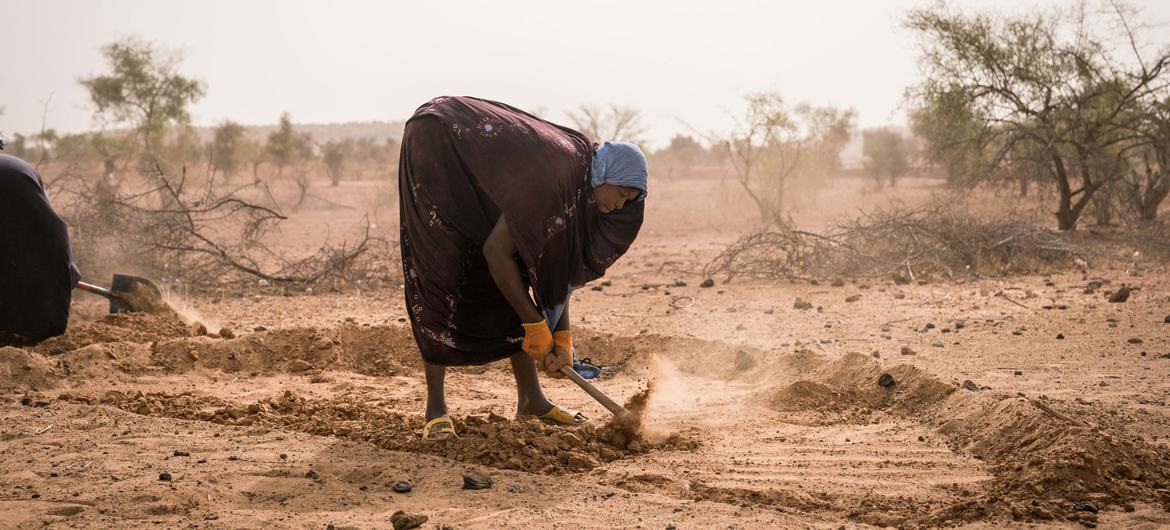
In Mauritania, community members are engaged in a soil rehabilitation project.
© WFP/Evelyn Fey
 
In Mauritania, community members are engaged in a soil rehabilitation project.


18 June 2024
Humanitarian Aid

The World Food Programme (WFP) will increase its food and nutrition assistance programme this month in West and Central Africa in hopes of reaching 7.3 million people as the June-August lean season is under way at a time when hunger levels are high and food resources are low.

The programme will aid the response plans of national governments in Burkina Faso, Cameroon, Central African Republic, Chad, Mali, Mauritania, Niger and Nigeria.

With the right amount of funding, WFP’s initiative can reach 12 million people, but with diminishing resources available, humanitarians working with the programme have reached fewer people than anticipated.

This comes as malnutrition in West and Central Africa is reaching alarming levels along with a projection that 55 million people will face acute hunger during the lean season.

Chris Nikoi, WFP’s Regional Director for Western Africa, said that this crisis exposes the need for “transformative solutions” to assist vulnerable families with food and other needs.

“We need to continue prioritising emergency response for those most in need,” Mr. Nikoi said. “But, we need more investment in sustainable solutions to help strengthen food security, improve agricultural productivity and purchasing power of families at the right time and cushion economic and climate shocks.”

Response aims

Many dealing with acute hunger in West and Central Africa have been left without assistance and risk having their situation worsened since funding for the programme has not kept “apace” with increasing crises in the region.

WFP said this is worrying since the 2024 seasonal forecast reveals weather that could disrupt farming and prolong the next lean season.

“The escalation of humanitarian needs far outstrips available resources,” Mr. Nikoi said. “The only way out of this cycle is to prioritise durable solutions.”

WFP’s current aid

Currently, WFP said it is supporting “long-term transformative hunger solutions” and working on improving government systems that increase communities’ shock resilience via social protection and investments in inclusive food systems.

WFP programmes have helped to, among other things, restore degraded lands to food and fodder production, support children’s education, improve access to food and boost incomes across the Sahel and provide more frequent and diversified meals to civilians in Nigerian villages.

The programme said initiatives including “strengthening poor families’ purchasing power with timely shock-responsive social protection schemes need to be prioritised and expanded as a humanitarian response alone is financially not sustainable and does not address the root causes of hunger and malnutrition.”


https://news.un.org/en/story/2024/06/1151181


https://creativecommons.org/licenses/by/3.0/legalcode