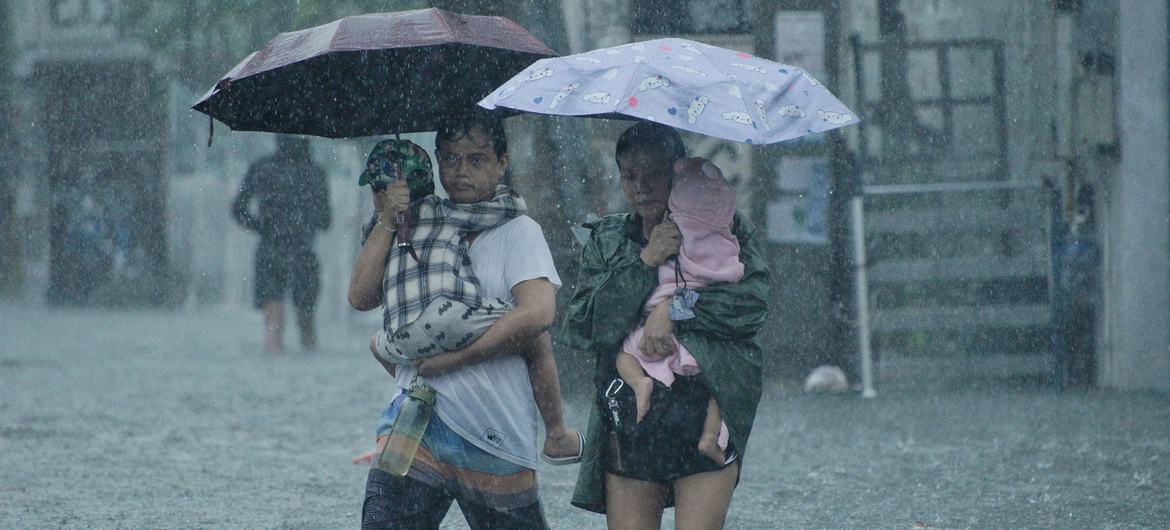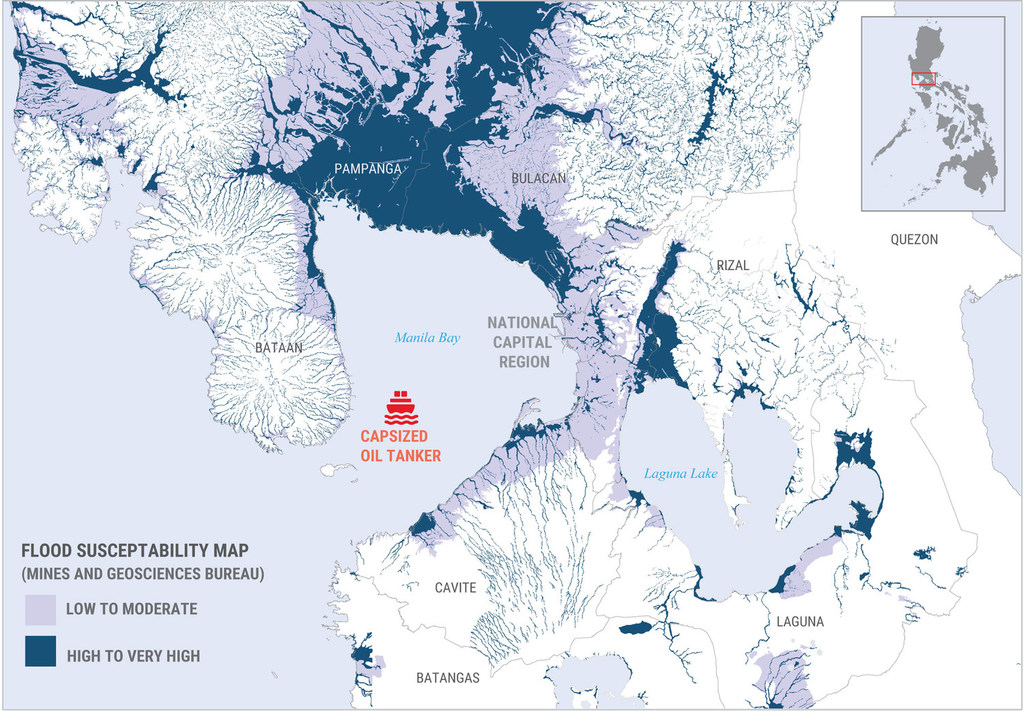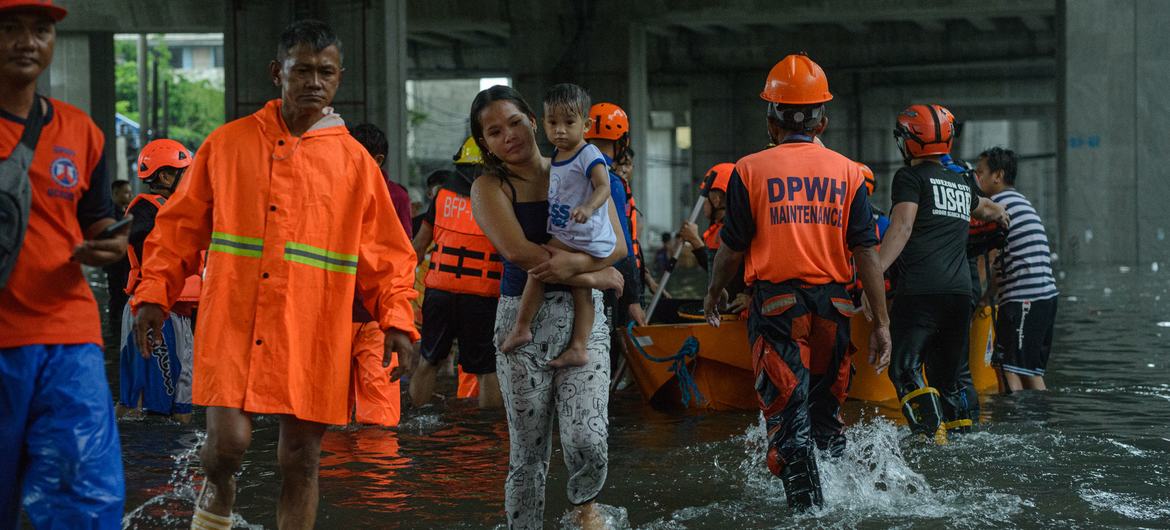
The Philippines is preparing for the possibility of either a super typhoon or a significant earthquake, often referred to by Filipinos as the “big one.”
The Southeast Asian country is the most prone to natural hazards in the world, and these hazards are becoming more intense due to climate change.
The UN has been working alongside the authorities in the Philippines to prepare for a wide range of disasters, as the UN Resident Coordinator in the country, Gustavo González, explains ahead of the International Day for Disaster Risk Reduction marked annually on 13 October.
“The Philippines, with its 7000 islands and many coastal cities, has always been extremely vulnerable to intense weather events and natural hazards. Each year there are some 20 typhoons, and many can transform into super typhoons, which are very destructive extreme weather events.
We are seeing more super typhoons as the seas in Southeast Asia warm due to climate change.
There are also around 20 active volcanoes across the country, and according to experts, we can expect a 7.2 magnitude earthquake at any time. So, the serious threat of super typhoons, volcanoes and earthquakes, exacerbated by climate change, compels us to prepare for the eventuality of a “big one”, a natural event of huge potential destructive force.
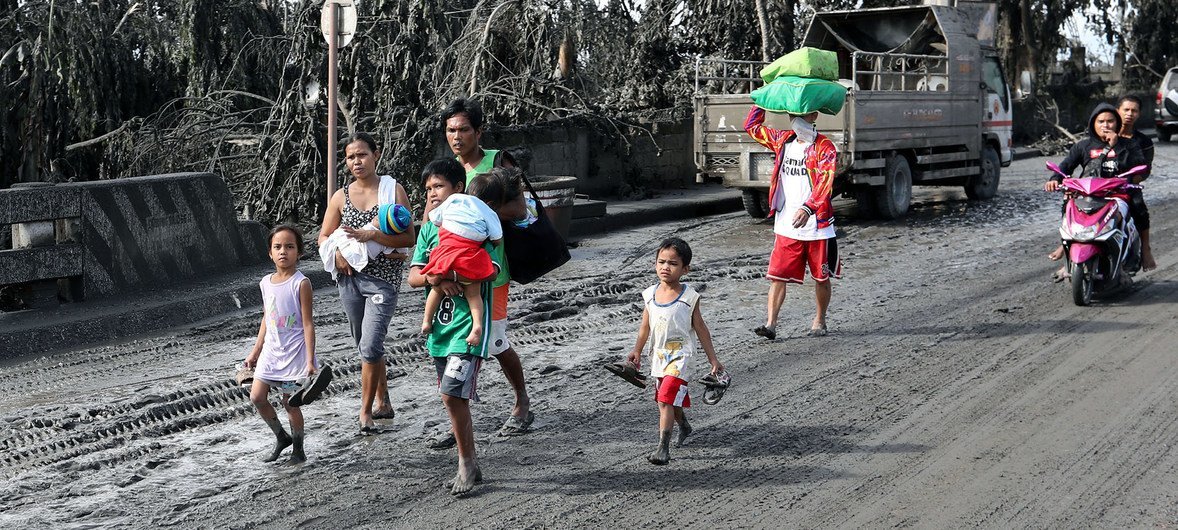
The Philippines ranks number one globally in the World Risk Index, which measures vulnerability and exposure to natural extreme events.
However, the extent of the country’s vulnerability is not well known outside the region. Indeed, when I arrived in this country as the UN Resident and Humanitarian Coordinator, equipped with my long experience in crisis situations, I immediately recognized the uniqueness of this country.
I realized that we needed to profoundly reassess the standard toolkit for humanitarian aid and development programming used in other countries to better align it with the distinctive circumstances of the Philippines.
In response, there has been a paradigm shift in the work of the UN Country Team towards investing in resilience building, which means enhancing national and local capacities to cope with, adapt to and recover from present and future shocks.
This is reflected in a very popular Filipino proverb which says “when the blanket is short, learn how to bend”.
Not one-size fits all
Furthermore, our approach in the country also must take into account regional differences.
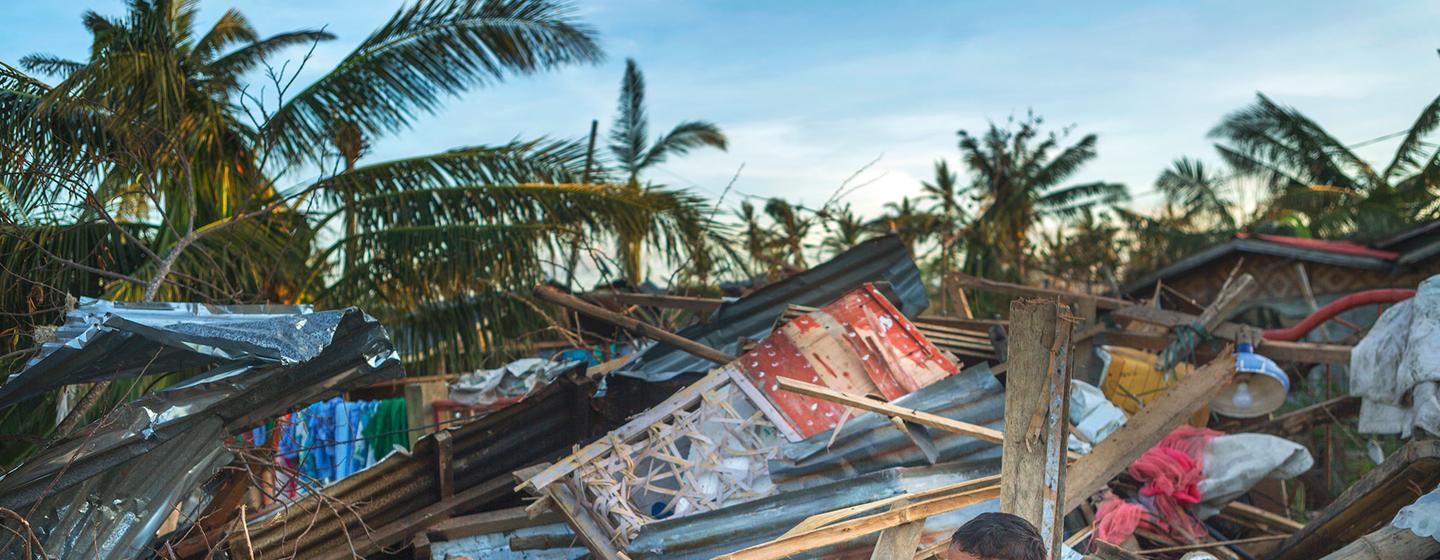
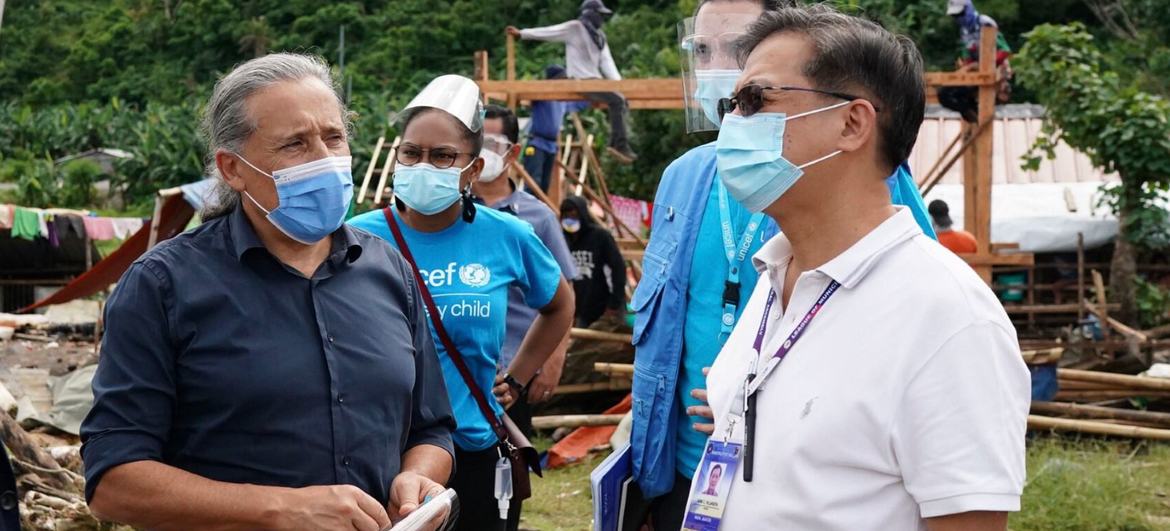
When I visited an area affected by Super Typhoon Odette in 2021, I assumed that it would share the same cultural identity and political dynamics as other parts of the country, but this was far from the case.
Even on a tiny island you can be confronted with totally different socioeconomic realities, in locations just a few kilometers apart. While one community may ask for mobile phones to rapidly re-establish communications and put solidarity in motion, the neighbouring community may require livelihood support or just some materials to start rebuilding their homes.
I remember one inspirational local leader on Dinagat island who was very clear about the priorities of her community following a super typhoon. She respectfully questioned some of our standard and globally practiced humanitarian interventions. She argued that some items were superfluous, while highlighting gaps in other areas, and requested a customized response to improve the effectiveness of the response.
What we learn from such experiences is that building resilience starts by recognizing the invaluable capital of knowledge, skills and assets that a community can offer. The people affected are in the best position to decide what they need and where the UN can add value in the aftermath of a disaster.
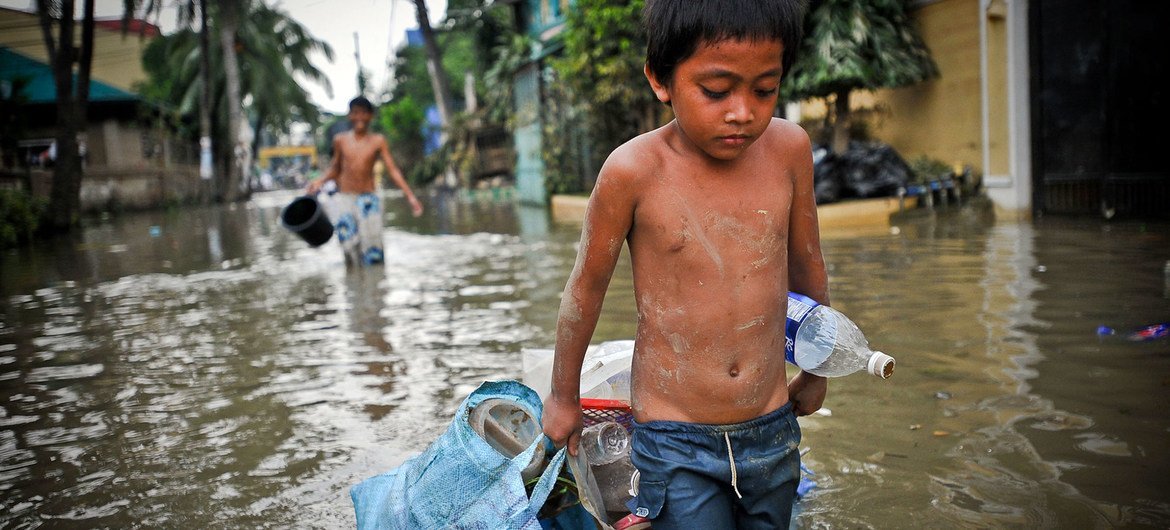
Factoring such wealth of local knowledge into the humanitarian response represents a paradigm shift away from the UN’s standard approach. Portraying affected communities just as a combination of needs and vulnerabilities is oversimplifying a complex reality. Developing the humility to listen, discover and genuinely engage with communities is an absolute requirement.
Preparation and Resilience
Building resilience and preparedness remains the most cost-effective way of addressing natural hazards like earthquakes, floods or typhoons. In the Philippines, an ongoing decentralization process provides local municipalities with a major role in assessing risks and planning for disasters, as well as in developing early warning systems.
I visited a UN Development Programme and UN Habitat-supported project in Albay province in the shadow of the Mayon Volcano where communities were learning to fly state-of-the-art drones.
The digital mapping of disaster-prone areas provides essential information for the planning and risk assessment to better predict, prepare for, and mitigate the negative impacts of disasters and other natural hazards.
In Mindanao, I met the Bajaus, a group of seafaring indigenous people whose houses were severely damaged by Super Typhoon Odette in 2021. Supported by UN Habitat, members of the community rebuilt their houses according to traditional construction practices and using locally available materials.
Recognizing and incorporating local ingenuity has been critical to develop tailor-made solutions. Their houses are now more likely to survive a typhoon.
UN collaboration
While communities are being empowered to take the initiative and prepare for and mitigate the impact of extreme weather or an earthquake, the United Nations is also working alongside the government and other partners to coordinate an international response to those possibly catastrophic events.
As the UN Resident Coordinator as well as the UN Humanitarian Coordinator, my role is to, firstly, put global knowledge and practices at the disposal of the government, secondly, to build alliances to support integrated humanitarian and development solutions and, finally, leverage financial resources to make them sustainable.
When I started working for the UN, almost three decades ago, there was an artificial division of labor between humanitarian and development work. Such divide was across programmes, strategies and budgets. Today, there is a humble recognition that the nature and magnitude of crises require a more holistic and integrated approach. We call it the “nexus approach”.
Our new Anticipatory Action Pilot Programme* brings community knowledge, technology, digitalization and logistics together, in a single formula.
We generally only have a 36-hour warning ahead of the arrival of a super typhoon to activate anticipatory action including arranging cash transfers to previously identified people. This money can help families to move valuable assets like boats and tools, as well as to stock up on food or move to evacuation centres.
Experience shows that for every dollar we invest in prevention, we save four dollars in reconstruction.
As we see, the exposure to disasters and the vulnerability to climate change have compelled Filipinos to cultivate a unique sense of resilience. The “saving lives” spirit is widely spread within local communities.
As Filipinos frequently say, “as long as there is life, there is hope.”
*The Anticipatory Action Pilot Programme is implemented by UN agencies: the World Food Programme, UNICEF, the International Organization for Migration, the Food and Agriculture Organization and the UN’s sexual and reproductive health agency, UNFPA, and supported by the UN’s Central Emergency Response Fund (GERF)
https://creativecommons.org/licenses/by/4.0/legalcode
https://news.un.org/en/story/2024/10/1155516