Избранное сообщение

Показаны сообщения с ярлыком Economic Development. Показать все сообщения

суббота, 10 мая 2025 г.

UN warns copper shortage risks slowing global energy and technology shift


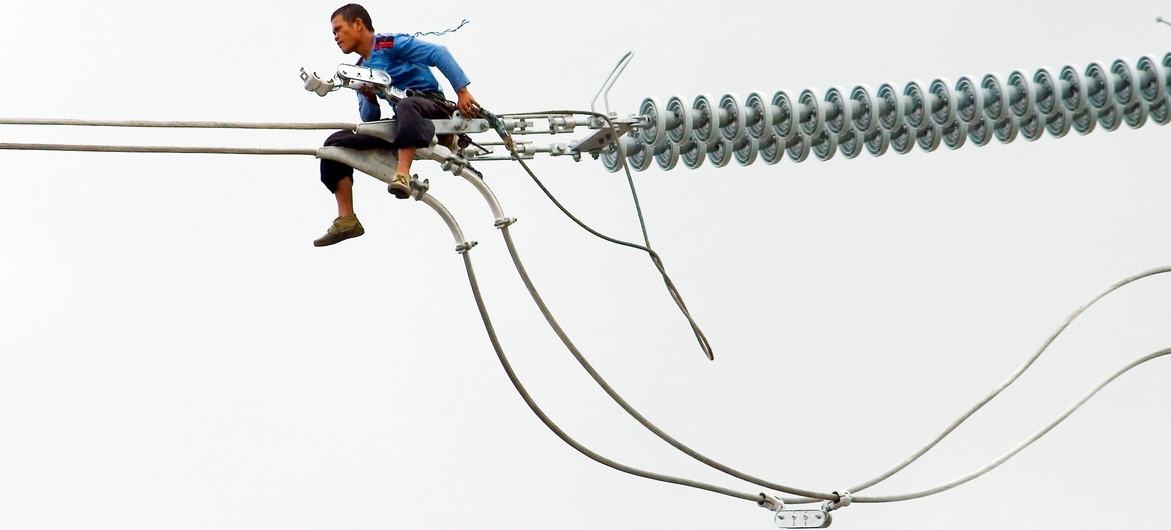
A worker in the Philippines installs a new electric cable atop a pylon. High-tension power lines made of copper are the backbone of electricity infrastructure worldwide.
© ILO/Bobot Go
 
A worker in the Philippines installs a new electric cable atop a pylon. High-tension power lines made of copper are the backbone of electricity infrastructure worldwide.


By Vibhu Mishra
9 May 2025

 Economic Development

A looming global copper shortage could stall the world’s transition to clean energy and digital technologies unless smarter trade and investment strategies are adopted, the UN’s trade and development body, UNCTAD, has warned.

In its latest Global Trade Update, released this week, UNCTAD describes copper as “the new strategic raw material” at the heart of the rapidly electrifying and digitising global economy.  

But with demand set to rise more than 40 per cent by 2040, copper supply is under severe strain – posing a critical bottleneck for technologies ranging from electric vehicles and solar panels to AI infrastructure and smart grids.

More than just metal

“Copper is no longer just a commodity,” said Luz María de la Mora, Director of the International Trade and Commodities Division at UNCTAD.

Valued for its high conductivity and durability, copper is essential to power systems and clean energy technologies. It runs through homes, cars, data centres and renewable infrastructure.

Yet developing new mines is a slow and expensive process, and fraught with environmental risks – often taking up to 25 years from discovery to operation.

Meeting projected demand by 2030 could require $250 billion in investment and at least 80 new mining projects, according to UNCTAD estimates.
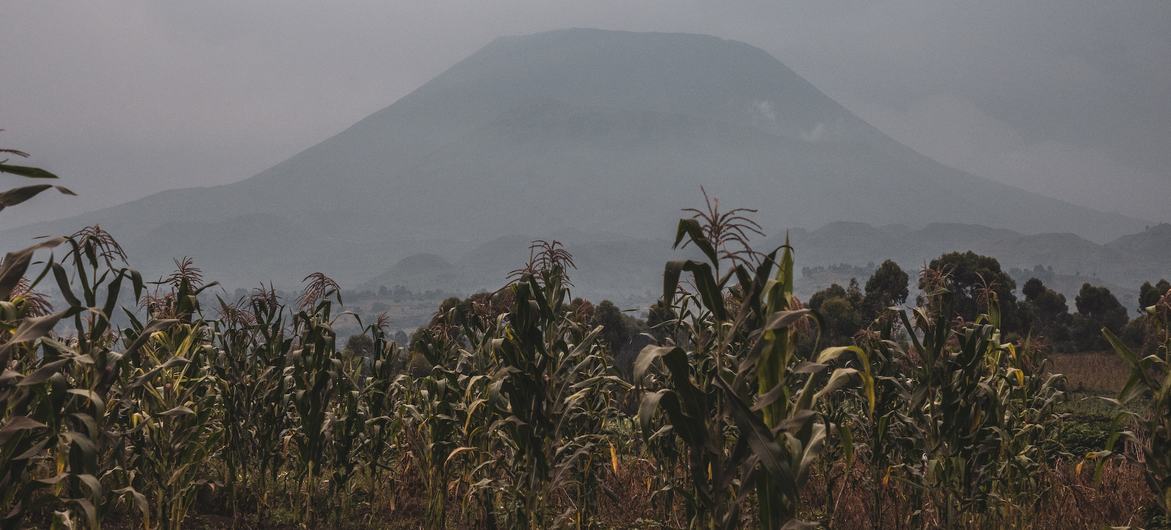
The Democratic Republic of the Congo holds some of the world’s largest copper reserves, yet most of the metal is exported, limiting the country’s ability to benefit fully from this valuable resource.
© UNICEF/Vincent Trem
 
The Democratic Republic of the Congo holds some of the world’s largest copper reserves, yet most of the metal is exported, limiting the country’s ability to benefit fully from this valuable resource.

Uneven geography, unequal gains

Over half of the world’s known copper reserves are concentrated in just five countries – Chile, Australia, Peru, the Democratic Republic of the Congo and Russia.

However, much of the value-added production occurs elsewhere, particularly in China, which now imports 60 per cent of global copper ore and produces over 45 per cent of the world’s refined copper, says the UN.

This imbalance leaves many developing countries stuck at the bottom of the value chain, unable to fully benefit from their resources.

“Digging and shipping copper is not enough,” the report states.

“To move up the ladder, copper-rich developing countries must invest in refining, processing and manufacturing – this means strengthening infrastructure and skills, establishing industrial parks, offering tax incentives and pursuing trade policies that support higher-value production.”

Tariff and trade barriers

UNCTAD also highlights the challenge of tariff escalation, where duties on refined copper are relatively low – typically below two per cent – but can rise to as high as eight per cent for finished products like wires, tubes and pipes.

These trade barriers discourage investment in higher-value industries and lock countries into roles as raw material suppliers, the report warns.

To address this, UNCTAD is urging governments to streamline permitting, reduce trade restrictions, and develop regional value chains to help developing economies climb the industrial ladder.

Tweet URL

Scrappy solution

With new mining projects facing long lead times, recycling is emerging as a vital part of the solution.

In 2023, secondary sources accounted for 4.5 million tonnes – nearly 20 per cent of global refined copper output. The United States, Germany and Japan are the top exporters of copper scrap, while China, Canada and the Republic of Korea are major importers.

“For developing countries, copper scrap could be a strategic asset,” UNCTAD notes.

“Investing in recycling and processing capacity can reduce import dependence, support value-added trade and advance a more circular, sustainable economy.”

Test case for critical materials

Copper, UNCTAD says, is a likely “test case” for how global trade systems handle rising demand for critical materials amid growing pressures.

“The age of copper has arrived…but without coordinated trade and industrial strategies, supply will remain under strain and many developing countries risk missing out,” the report concludes.


https://news.un.org//en/story/2025/05/1163111

https://creativecommons.org/licenses/by/4.0/legalcode

пятница, 20 сентября 2024 г.

‘Irrefutable’ need for global regulation of AI: UN experts


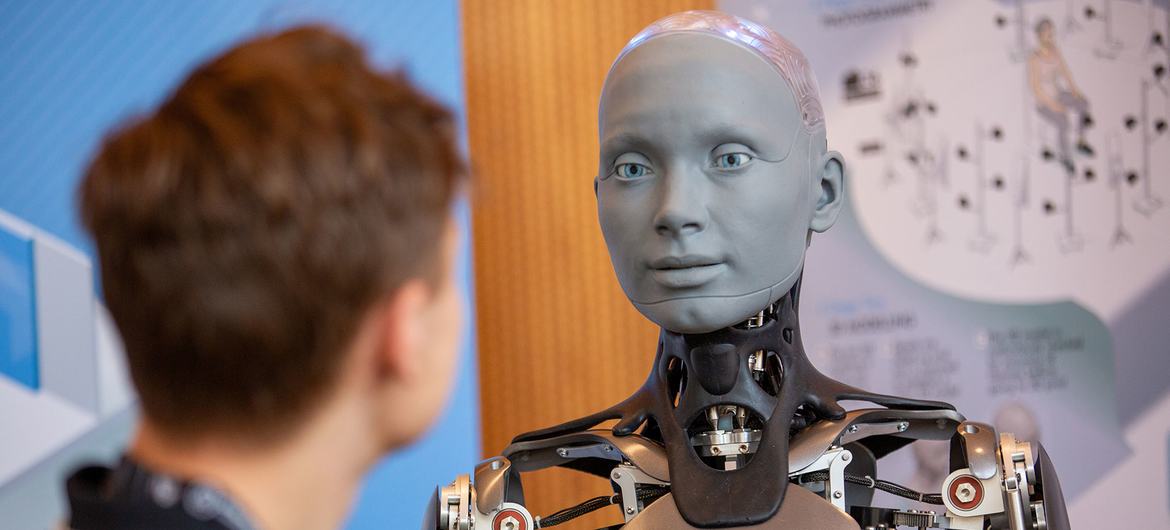
Ameca the robot attended the AI for Good Global Summit, in Geneva, Switzerland, in July 2023.
UN Photo/Elma Okic
 
Ameca the robot attended the AI for Good Global Summit, in Geneva, Switzerland, in July 2023.


19 September 2024 
Economic Development

The imperative for global regulation of the booming artificial intelligence field, or AI, is “irrefutable”, a new report from a UN expert group said on Thursday, adding that development and use of such a technology “cannot be left to the whims of markets alone”. 

“The very nature of the technology itself – transboundary in structure and application – necessitates a global approach,” the final report from the UN Secretary-General appointed panel concludes.

Artificial intelligence (AI) is transforming our world, from opening new areas of scientific inquiry and optimizing energy grids, to improving public health and agriculture and promoting progress on the 17 Sustainable Development Goals (SDGs).

Tweet URL

However, while there is tremendous potential for good, left ungoverned, the benefits of AI could be limited to only a handful of pioneering States, companies and individuals, widening the digital divide and inequality.

In an effort to mitigate these risks, the report proposes several recommendations to establish a framework for AI global governance.

Growing human rights concerns

There is also utmost concern expressed in the report about the ways in which AI may be used to infringe on human rights.

The very raw materials needed for AI technologies – including critical minerals – are globally sourced, leading to a battle for power and wealth over these rare commodities on a global scale.

Further, autonomous weapons systems could make decisions without human intervention, raising ethical and legal questions about accountability and the protection of civilians during conflicts. Increasing potential for an arms race driven by advancements in AI technology could also endanger human security.

AI bias and surveillance is yet another area of concern, with the creation and dissemination of disinformation potentially harming civilians. 

Gaps already appearing

Disparities are already begininning to appear. In terms of representation, whole parts of the world have been left out of international AI governance conversations.

For instance, just seven countries (Canada, France, Germany, Italy, Japan, UK and US) are parties to seven prominent non-UN AI initiatives, whereas 118 countries, primarily in the Global South, are parties to none.

“Equity demands that more voices play meaningful roles in decisions about how to govern technology that affects us,” the report states.

“The concentration of decision-making in the AI technology sector cannot be justified; we must also recognize that historically many communities have been entirely excluded from AI governance conversations that impact them,” it added.

Soundcloud

Globally inclusive architecture

To address these concerns, the UN expert group is proposing several recommendations for regulating the use of AI.

The recommendations of the report include an independent international scientific panel on AI, a twice-yearly intergovernmental and multi-stakeholder policy dialogue on AI governance to share best practices and a global fund for AI to bridge the digital divide.

The group also stressed that any deployment of AI in military settings must comply with international humanitarian law and human rights standards and recommended that states establish robust legal frameworks and oversight mechanisms.

Taken together, these recommendations call on UN Member States to lay the foundations for the first globally inclusive architecture for AI governance based on international cooperation and transparency.


https://news.un.org/en/story/2024/09/1154541

https://creativecommons.org/licenses/by/4.0/legalcode
четверг, 11 июля 2024 г.

Digital boom could well be a bust for the environment, warns UN trade agency

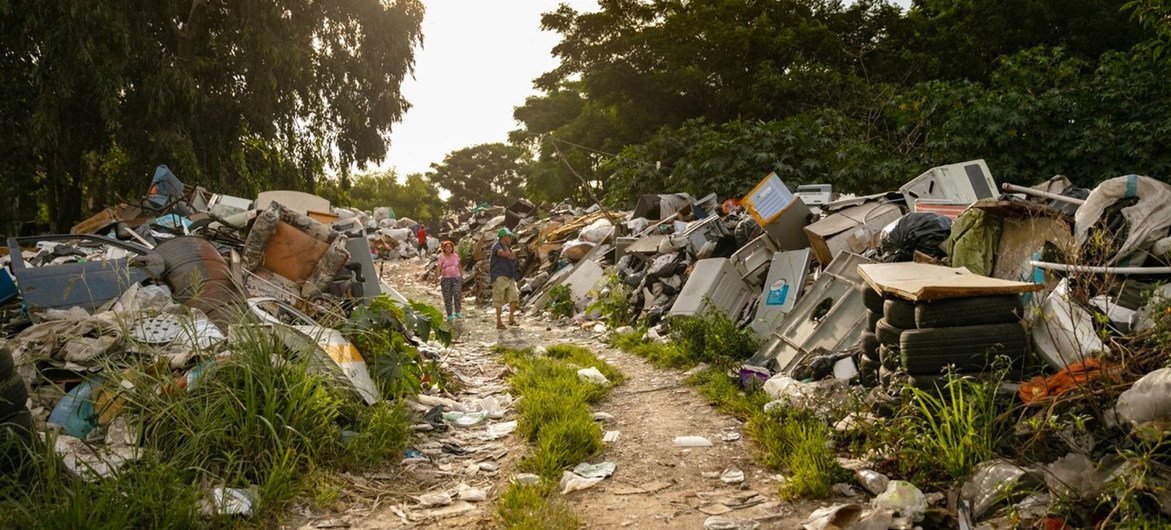
Electronic and electrical waste (e-waste) is the fastest growing domestic waste stream in the world.
WHO
 
Electronic and electrical waste (e-waste) is the fastest growing domestic waste stream in the world.


10 July 2024 
Economic Development

Did you know that producing a computer weighing two kilogrammes (kg) requires a staggering 800kg of raw materials? Or that the energy required for data mining for bitcoins reached 121 terawatts last year – more than the amount consumed by most small countries?

These are just a few of the concerning findings of a new report into the digital economy by UN trade agency UNCTAD, which insists that the thriving sector’s negative environmental impact must be taken more seriously - and slowed by investment in renewables.

“The rise of technologies such as artificial intelligence and cryptocurrency, cryptocurrency mining, has significantly increased energy consumption,” said UNCTAD chief Rebeca Grynspan.

Power binge

“For example, Bitcoin mining’s energy consumption rose 34-fold between 2015 and 2020, reaching around 121 terawatt hours…The energy consumption of Bitcoin mining is more than what Belgium or Finland consume per year,” the UNCTAD Secretary-General told journalists in Geneva.

Today, some 5.4 billion people use the internet and the global digital economy is booming, with obvious upsides for many. In value terms alone, business e-commerce sales surged from $17 trillion in 2016 to $27 trillion in 2022 across 43 countries, Ms. Grynspan noted.

“We talk a lot about how digital technologies can reduce paper use and improve energy efficiency and they can help cut greenhouse gas emissions in transport and construction, agriculture and energy sectors.

“But the downside is not talked about as much,” she said, insisting that digitalization is “highly materialistic” in addition to requiring masses of carbon-rich electricity to boot.

To counter this threat to the environment and in support of an equitable and environmentally responsible digital economy, UNCTAD’s Digital Economy Report 2024 offers policy suggestions covering precious minerals used to make electronic devices including mobile phones and other vital natural resources, such as water.

UN Conference on Trade and Development (UNCTAD) report on digital economy

Data centres’ thirst for energy

According to UNCTAD, in 2022, global data centres consumed 460 terawatts hours, an equivalent of power used by 42 million homes in the United States in a year. This figure is expected to double by 2026.

The UN agency also cites estimates that the digital sector is accountable for 1.5 to 3.2 per cent of global greenhouse emissions, similar to that of air transportation and shipping.

Between 2018 and 2022, the electricity consumption of 13 major data centre operators more than doubled, highlighting the urgent need to address the energy and water footprints of these technologies.

“Google disclosed that in 2022, total water consumption at its data centres and offices amounted to 5.6 billion gallons (about 21.2 million cubic metres). For the same year, Microsoft reported that its water consumption was 6.4 million cubic metres,” Ms. Grynspan said, adding that water consumption by such facilities had recently stoked tensions within local communities in several countries.

Training for ChatGPT-3 alone, according to Microsoft, required an estimate of 700,000 litres of clean, fresh water, the UNCTAD chief also noted.

Surge in e-commerce and e-waste

E-commerce has surged, with online shoppers growing from fewer than 100 million in 2000 to 2.3 billion in 2021, the report says. This increase has led to a 30 per cent rise in digital-related waste from 2010 to 2022, reaching 10.5 million tonnes globally.

“Digital waste management remains inadequate. This is a huge concern given the pollution this generates and its impact on the environment,” the UNCTAD Secretary-General said.

The report notes that developed countries generate 3.25 kg of digital waste per person, compared to less than 1 kg in developing countries and just 0.21 kg in least developed countries, which serves as yet another indicator of the unequal distribution of benefits that digitalization brings about.

Critical minerals

The World Bank, the report authors say, estimates that the demand for minerals required for digitalization like graphite, lithium, and cobalt could surge by 500 per cent to 2050.

Developing countries are pivotal in the global supply chain for transition minerals and metals, which are highly concentrated in a few regions.

For example, Africa’s vast mineral deposits, essential for the global shift to low-carbon and digital technologies, include cobalt, copper, and lithium, crucial for a sustainable energy future.

The continent holds significant reserves 55 per cent of the world's cobalt, 47.65 per cent of manganese, 21.6 per cent of natural graphite, 5.9 per cent of copper, 5.6 per cent of nickel and 1 pe cent of lithium.

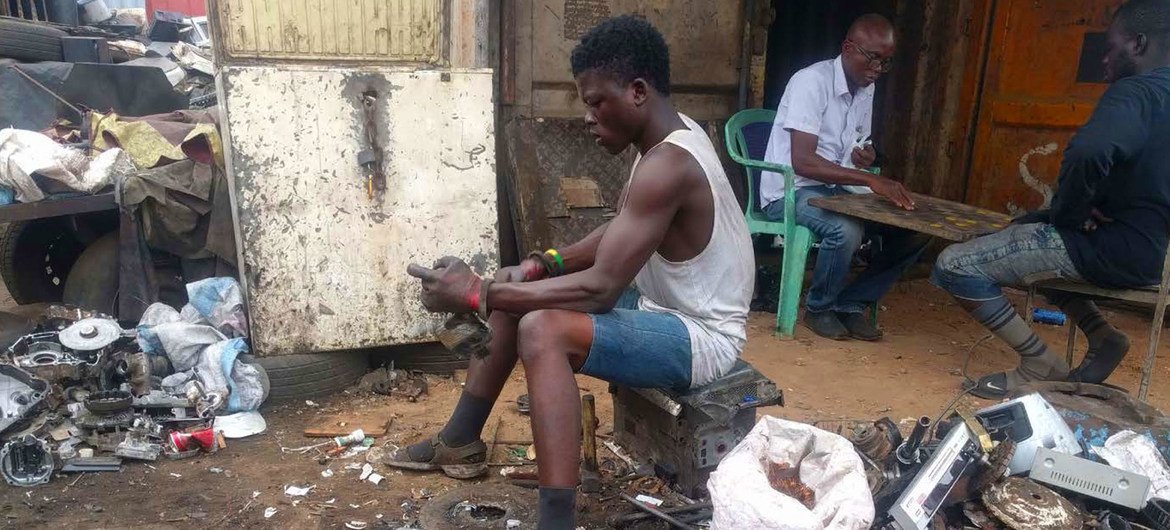
An e-waste worker disassembles items in a recycling shop in Ghana.
© WHO/Abraham Thiga Mwaura
 
An e-waste worker disassembles items in a recycling shop in Ghana.

Development opportunities

“The increased demand for critical minerals presents an opportunity for resource-rich developing countries to add more value to extracted minerals, diversify their economy and enhance their development. But technology has to be transferred and has to be more efficient to be compatible with the environment and climate change objectives,” Secretary-General Grynspan shared.

Amid current global crises, limited fiscal space, slow growth and high debt, developing countries should maximize this opportunity by domestic processing and manufacturing, the report authors suggest. This would help them to secure a larger share of the global digital economy, generate governments revenues, finance development, overcome commodity dependence, create jobs and raise living standards.

Rising global demand for clean energy commodities is already driving foreign direct investment in Latin America, accounting for 23 per cent of the region’s greenfield project value over the past two years, the report finds.

Factors of success

UNCTAD suggests new business models and strong policies to make digital growth more sustainable. The UN trade and development experts’ straightforward recommendations to the world are:

- use circular economy models, focusing on recycling, reusing, and recovering digital materials to cut down on waste and environmental damage;

- optimize resources by create plans to use raw materials more efficiently and reduce overall use;

- strengthen regulations, enforce tougher environmental standards and rules to lessen the ecological impact of digital technologies;

- invest in renewable energy, support research and development of energy-efficient technologies and sustainable digital practices;

- promote international cooperation, encourage countries to work together to ensure fair access to digital technologies and resources, and to tackle global digital waste and resource extraction issues.

“The digital economy is central to global growth and development opportunities, so we need to implement the practices that will take us to a win-win space and not against our also important objectives of environmental sustainability and our commitments to climate change,” Rebeca Grynspan concluded.


https://news.un.org/en/story/2024/07/1151931


https://creativecommons.org/licenses/by/4.0/legalcode
четверг, 4 июля 2024 г.

China-based inventors lead on global GenAI patents: UN report


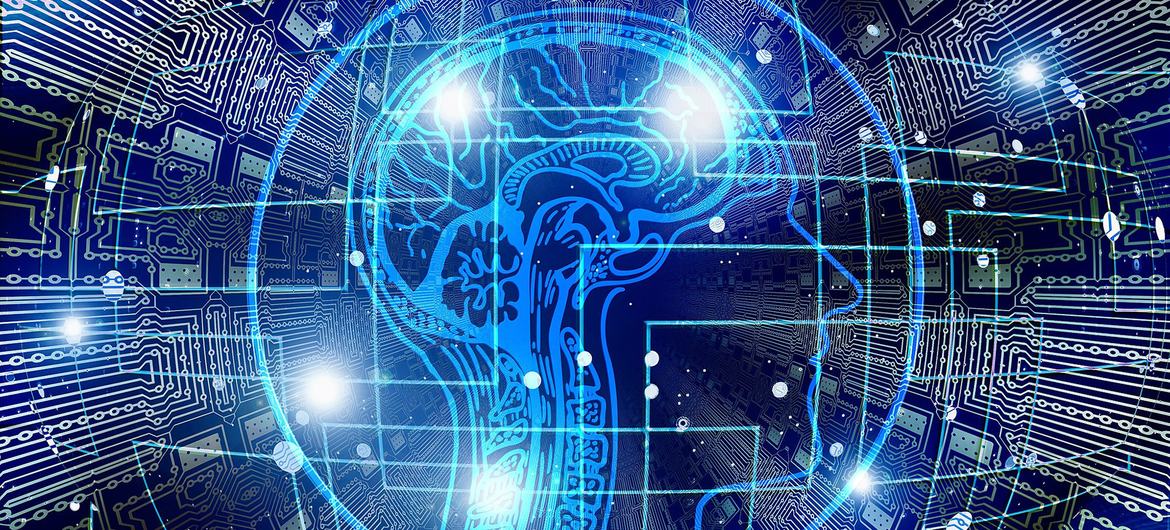
Visualization of Artificial Intelligence combining a human brain schematic with a circuit board.
Public Domain
 
Visualization of Artificial Intelligence combining a human brain schematic with a circuit board.
3 July 2024 

China-based inventors are filing the highest number of generative artificial intelligence patents, a new report from the UN World Intellectual Property Organization (WIPO) shows.

According to the agency’s Patent Landscape Report, between 2014-2023, more than 38,000 GenAI patents came out of China, six times more than those filed by inventors in the United States, which came in second place.

GenAI, or Generative AI, allows users to create content including text, images, music or software code, powering a range of industrial and consumer products, including chatbots such as ChatGPT, Google Gemini or Baidu’s ERNIE.

Tweet URL

A game changer

“GenAI has emerged as a game-changing technology with the potential to transform the way we work, live and play,” said Daren Tang, WIPO Director General.

Since the 2017 introduction of the deep neural network architecture that is now synonymous with GenAI, the number of GenAI patents has increased by more than 800 percent through 2023, according to the WIPO Report.  

The sharp rise in patenting activity reflects the recent technological advances and the potential within GenAI.

For our common benefit

The WIPO head added that by analysing patenting trends and data, the agency hoped to give everyone a better understanding of where this fast-evolving technology is being developed, and where it is headed.

“This can help policymakers shape the development of GenAI for our common benefit and to ensure that we continue to put the human being at the centre of our innovation and creative ecosystems,” he said.  

Report’s key findings

According to the report, GenAI patents currently represent 6 per cent of all AI patents globally.

The top ten applicants include Tencent (2,074 inventions), Ping An Insurance (1,564), Baidu (1,234), Chinese Academy of Sciences (607), IBM (601), Alibaba Group (571), Samsung Electronics (468), Alphabet (443), ByteDance (418), and Microsoft (377).

In terms of location, China (38,210 inventions) led the field, far outpacing US (6,276 inventions), Republic of Korea (4,155), Japan (3,409) and India (1,350).

Image and video data dominated GenAI patents (17,996 inventions), followed by text (13,494) and speech or music (13,480).  

GenAI patents using molecule, gene and protein-based data grew rapidly (1,494 inventions since 2014) with 78 per cent average annual growth over the past five years.


https://news.un.org/en/story/2024/07/1151761


https://creativecommons.org/licenses/by/4.0/legalcode.en

среда, 12 июня 2024 г.

A. Guterres hails 60 years of UN trade and development action


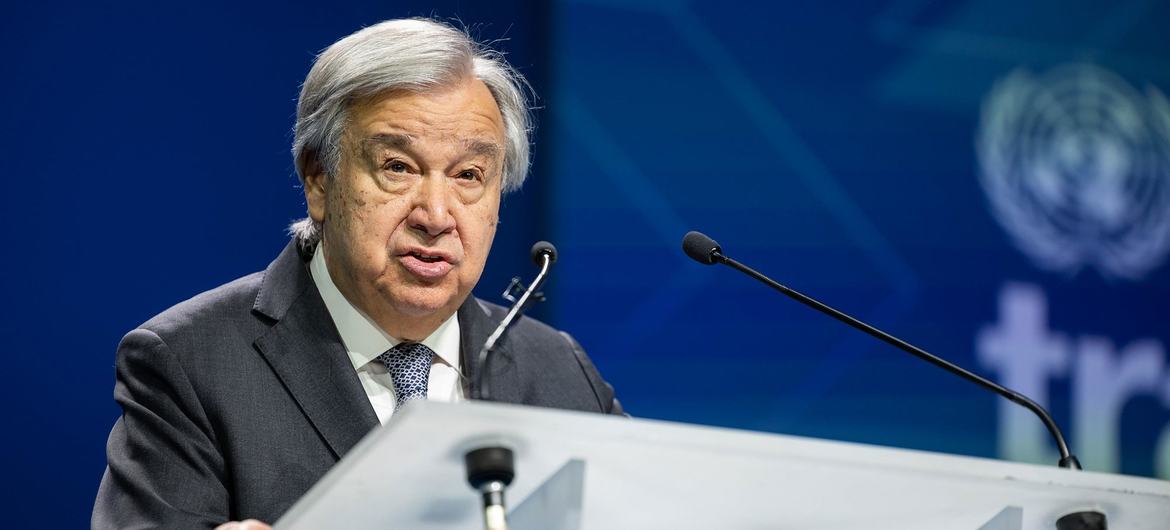
UN Secretary-General António Guterres addresses the UNCTAD Global Leaders Forum in Geneva.
UNCTAD/Pierre Albouy
 
UN Secretary-General António Guterres addresses the UNCTAD Global Leaders Forum in Geneva.


12 June 2024
Economic Development

The right to development is inextricably linked with trade which the world’s poorest countries - now “mired in debt” through no fault of their own - have every right to pursue on much fairer terms, UN chief António Guterres insisted on Wednesday.

In a speech marking 60 years of UN Trade and Development – the agency previously known by the acronym UNCTAD - the UN Secretary-General highlighted the multiple challenges standing in the way of a more sustainable and inclusive global economy for all.

Tweet URL
UN

“New and protracted conflicts are having a ripple effect across the global economy. Global debt has soared while key development indicators, including poverty and hunger, have regressed,” Mr. Guterres told the UN Trade and Development Global Leaders Forum.

Global system’s flaws exposed

On a flying visit to Switzerland, Mr. Guterres reprised previous warnings that the world’s international financial architecture “has been exposed as outdated, dysfunctional, and unjust”. 

It has “failed to provide a safety net for developing countries mired in debt”, the UN chief insisted, as he issued the worrying assessment that the international trading system faces pressure “on all sides”, to the extent that it is now “teetering on the verge of fragmentation”. 

Taking sides

Against this deeply concerning backdrop, and amid escalating geopolitical tensions, rising inequality and soaring debt, Mr. Guterres insisted that the role of the Geneva-based agency UN Trade and Development was “more relevant than ever” in working for a more sustainable and inclusive global economy, through trade and investment.

The UN agency cannot be neutral on development problems – “just as the World Health Organization could not be neutral on malaria”, the UN chief said, referencing the famous words of Raul Prebisch, UNCTAD’s first Secretary-General. 

 “Trade has become a double-edged sword: a source of both prosperity and inequality; interconnection and dependence; economic innovation and environmental degradation,” Mr. Guterres said, as he urged greater dialogue between nations in the face of a near-tripling of trade barriers since 2019, “many driven by geopolitical rivalry, with no concern for their impact on developing countries”.

He added: “The world cannot afford splits into rival blocs. To implement the Sustainable Development Goals (SDGs) - and to ensure peace and security – we need one global market and one global economy, in which there is no place for poverty and hunger.”


https://news.un.org/en/story/2024/06/1150951


https://creativecommons.org/licenses/by/3.0/legalcode

пятница, 17 мая 2024 г.

Global economic growth improves but ‘downsides’ lurk


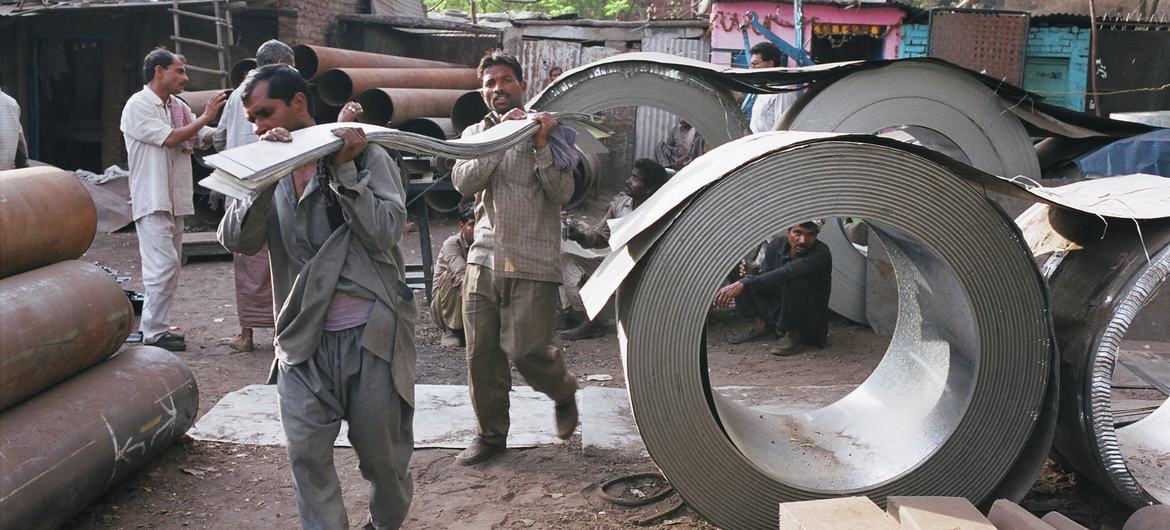
Porters work at a metal market in Narayana in New Delhi, India.
© ILO/Marcel Crozet
 
Porters work at a metal market in Narayana in New Delhi, India.


16 May 2024

Economic Development

The global economic picture has improved since January, but vulnerabilities remain, the mid-year update of the World Economic Situation and Prospects report published on Thursday has revealed.

The world economy is forecast to grow by 2.7 per cent in 2024, up from 2.4 per cent projected at the start of the year. Growth will reach 2.8 per cent in 2025, representing a slight increase.

These changes are mainly due to better-than-expected performance in some large developed and emerging countries, notably Brazil, India, Russia and the United States.

Inflation down, wages up 

Inflation is also down from the 2023 peak, said Shantanu Mukherjee of the UN Department of Economic and Social Affairs (DESA), presenting the report to journalists in New York. 

“In developed countries, tight labour markets are seeing wage increases for some parts of the population and also drawing people into the labor force, which is important,” he added. 

However, the outlook is only cautiously optimistic in the face of higher-for-longer interest rates, debt sustainability risks and continuing geopolitical tensions.  

Islands at risk 

Ever-worsening climate shocks are also a challenge, threatening decades of development gains, especially for the world’s Least Developed Countries (LDCs) and small island developing States (SIDS). 

Even though prospects for SIDS are being revised upwards to about 3.3 per cent each year, Mr. Mukherjee said this is still below the pre-pandemic average, meaning that “lost ground is still not being made up.”  

In the case of Africa and LDCs in general, prospects are revised downward to about 3.3 per cent growth in 2024. 

Concern for the continent 

“This is particularly worrying because Africa is home to about 430 million living in extreme poverty and close to 40 per cent share of the global undernourished population,” he explained. Furthermore, two-thirds of the high inflation countries listed in the report are on the continent. 

“At the same time, cause for concern is that African governments’ room to maneuver is also shrinking,” he continued. 

“In 2024, over a quarter of public revenues on average in this continent went towards interest payments. That's again about 10 percentage points more than the average over the years immediately preceding the pandemic.” 

For developing countries, on average, the debt situation is not as dire, but he was concerned that investment growth continues to fall. 

These “downsides” are further compounded by risks such as inflation, which is both a symptom of the underlying fragility and a concern on its own. 

Break the ‘resource curse’ 

The report also contains a special section on critical minerals such as lithium, nickel, cobalt and copper, that are essential for the transition to clean energy. 

Countries that possess these resources will, however, need smart policies, as well as effective implementation capacities to reap the benefits. 

Mineral-sector driven grown has in the past often been associated with environmental damage, stunted development of other sectors, poverty, conflict and other adverse outcomes collectively known as the “resource curse”. 

“It is imperative for developing countries to design and implement well-targeted and timely economic, social, and environmental policies to optimize the benefits of their critical minerals endowments and avoid another cycle of resource curse,” the report said.


https://news.un.org/en/story/2024/05/1149851

https://creativecommons.org/licenses/by/3.0/legalcode

пятница, 8 марта 2024 г.

Afghanistan’s economy has ‘basically collapsed’: UNDP


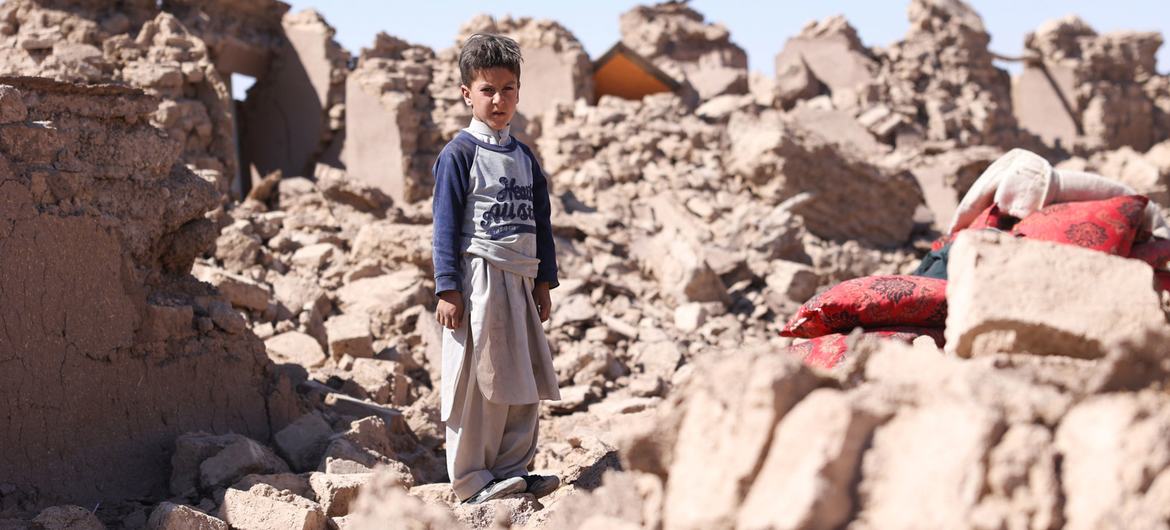
A child stands amidst the ruins left in the aftermath of the devastating October 2023 earthquakes in Herat, Afghanistan.
© WHO/Zakarya Safari
 
A child stands amidst the ruins left in the aftermath of the devastating October 2023 earthquakes in Herat, Afghanistan.


7 March 2024
Economic Development

The Afghan economy and especially regions affected by the devastating earthquakes in October last year, “are still hurting”, the UN Development Programme (UNDP) said on Thursday, as restrictions on women and girls continue to thwart basic rights and economic progress.

Kanni Wignaraja, Director of UNDP’s Regional Bureau for Asia and the Pacific, who recently visited the country, told correspondents in New York that 69 per cent of Afghans are “subsistence insecure” – meaning they do not have enough basic resources.

“Something that really hit me … was the harsh impact of continuous natural disasters,” she said, adding that many parts of Afghanistan are facing “dramatic” scarcity of water further setting back development efforts.

Lights out

Since the takeover by the Taliban in 2021, the Afghan economy has contracted by 27 per cent, leading to economic stagnation, according to UNDP. Unemployment has doubled and only 40 per cent of the population has access to electricity.

Sectors such as finance have “basically collapsed” and there are no major sources of economic activity such as exports or public expenditure, leaving small and medium enterprises (SMEs) and farmers as the lifeblood of the faltering economy.

Afghan economy, households and cross-cutting sectors.

Ban on girls’ education

She also voiced concern over the situation of women and girls.

There have been severe restrictions on women imposed by the Taliban, such as on their dress code and employment in various sectors.

While they can work without restriction in sectors such as health or nursing, their employment in the public sector dropped even further to about six per cent, Ms. Wignaraja said.

“The biggest challenge is the continued edict that bans girls’ education. Not being able to move forward after the sixth grade is a major stumbling block,” she added.

“Last year, no girl graduated the twelfth grade so how are they going to jump from sixth grade to moving into technical colleges or universities need for the medical field?” she exclaimed.

Local economy reeling

The UNDP official also noted the challenges facing local economies and the lack of capital, especially in the private sector.

UNDP is supporting microfinance initiatives, but with no cash flowing through the system, results are not at the level and scale required to spur growth.

She expressed hope that recent funds from the World Bank for climate projects could prompt other global climate cash investments.

“We can still work directly with the community to make this happen,” she said.

Situation in Herat

Ms. Wignaraja also visited Herat province, the epicentre of last October’s earthquakes.

Tweet URL
UNDP

“Just driving through villages and talking to villagers, there is a huge contrast,” she said, noting that there are whole villages still living in tents without access to water and those that are starting to build permanent structures.

“For me the bottom line is that we have to let household economies and local economies pick back up. People do not want to live in tents, they cannot survive the sandstorms in tents,” she added.

Supporting women-led business

In conclusion, the UNDP official highlighted the agency’s support to some 75,000 women-owned and women-led micro and small businesses.

“They in turn employ about, on average, six other women and young people. Each of them feeds a household of ten,” she said, noted that in total about 4.5 million people benefit.

“We spend on average $42 a month per women’s business – that’s it,” she added, underscoring the resilience and boldness of women entrepreneurs.

Overall, with women farmers and traders, as well as direct cash support and household social protection prorgrammes, UNDP has reached one quarter of women across Afghanistan, she said.

“The story of this country will come back through their boldness and efforts,” she concluded.


"Afghanistan’s economy has ‘basically collapsed’: UNDP | UN News" https://news.un.org/en/story/2024/03/1147387


https://creativecommons.org/licenses/by/3.0/legalcode

среда, 28 февраля 2024 г.

Universal connectivity gets a $9 billion private sector boost


Universal connectivity gets a $9 billion private sector boost

A girl in Bosnia studies English online.
© UNICEF/Almir Panjeta
 
A girl in Bosnia studies English online.


27 February 2024
Economic Development

The mobile phone industry has pledged over $9 billion towards the goal of connecting the world, said the chief of the UN International Telecommunication Union (ITU) on Monday, addressing the Mobile World Congress in Barcelona.

“Universal meaningful connectivity is within our grasp,” said ITU Secretary-General Doreen Bogdan-Martin. “Thanks to these new commitments, millions of people will benefit from accessible and affordable connectivity across the world.”

Fresh investments from e&, China Telecom, Ooredoo and VEON build on strong industry support for the UN digital agency’s efforts to “connect the world”, she said.

Tweet URL
ITUSecGen

Bridging the digital divide

Around 2.6 billion people remain offline worldwide, according to data from the specialized UN agency, which drives innovation in communications technology.

As telecommunications infrastructure forms the backbone of connectivity and digital transformation, it is vital for closing the global digital divide and overcoming development impediments in areas from education and health to government services and trade, the agency said.

To achieve that, ITU has called for $100 billion in overall investments by 2026 to provide the expertise and resources required to extend universal, meaningful connectivity and sustainable digital transformation to every corner of the globe.

ITU also launched Partner2Connect in 2021 to reach this goal. Today, more than 400 organizations have committed to investing over $46 billion in the coming years to realize this shared vision.

Fresh private-sector investments

The fresh commitments aim to make strides across the world.

That includes accessible and affordable network connectivity and digital services across countries in the Middle East, Africa and Asia as well as providing information and communication services to over 80 million people in remote villages across China and building infrastructure in Ukraine by providing connectivity and digital services essential to the country’s reconstruction.

The UN digital agency also announced that it now has over 1,000 industry, academia and organizational members in addition to 193 Member States, a milestone in its 159-year-old history, ITU said.

“This multistakeholder model of collaboration will continue to be a strong force in the UN system to bridge the digital divide and build an inclusive, safe and sustainable digital future for all,” the ITU chief said.


https://news.un.org/en/story/2024/02/1146987

https://creativecommons.org/licenses/by/3.0/legalcode

суббота, 24 февраля 2024 г.

‘Robot cars’ are coming. How can we make sure they’re safe?


A Tesla car in "autopilot" mode

‘Robot cars’ are coming. How can we make sure they’re safe?

© Ian Maddox
 
A Tesla car in "autopilot" mode


24 February 2024
Economic Development

The concept of “autonomous” cars, moving us all around in an orderly, congestion-free fashion has been around, in various forms, for decades. But, despite some impressive technological advances in recent years, that vision is still some way off.

“Connected vehicles” also raise fears of hacking, and cars being remotely controlled by unscrupulous individuals or organizations. A good example is the recent movie, Leave the World Behind, which features a scene in which hundreds of electric cars are hacked, causing them to smash into each other on a New York highway. 

Nevertheless, the industry is forging ahead with plans to introduce increasing levels of autonomy in the latest car models, and the UN is at the heart of those discussions, which involve governments and the transport industry, aimed at developing international regulations and guidelines governing automated driving. 

Francois Guichard is the lead UN official on Intelligent Transport Systems and Automated Driving, and secretary of the Working Party on Automated/Autonomous and Connected Vehicles. He told Conor Lennon from UN News that the hype surrounding the arrival of driverless cars has always outpaced the reality.

Francois Guichard: Almost a decade ago, people were announcing that truly driverless cars would be on the road within four years. However, it turned out to be much more complex than that. At the UN we began calling for international cooperation on the subject back in 2015, and now we convene discussions with authorities and vehicle manufacturers, and develop global rules for these vehicles.

Autonomous vehicle on the streets of San Fransisco, USA.
© Unsplash/Timo Wielink
 
Autonomous vehicle on the streets of San Fransisco, USA.

UN News: Can you envisage a future in which cars are mostly autonomous?

We want to create a safety-first environment and we hope that, with technical progress, automated technologies will lead to roads that are much safer. For context, there are around 1.3 million road fatalities, globally, every year: that constitutes a road safety crisis.

It’s a step-by-step progress. The car industry has defined different levels of automation, from zero (no automation) to five, which is full automation, meaning that a system controls the vehicle under all conditions. Today, many countries have cars with level two technologies, in which the driver is in control, with some assistance. We’re beginning to see some level three technologies in some cars, where there is more autonomy in traffic jams and on motorways.

The next step will be vehicles which are able to drive completely autonomously, under limited circumstances, and we’re already starting to see this happening. 

This year, we are developing global technical regulations for automated driving systems. The industry says its ready for this, so we hope it will happen, because we have so many challenges to tackle: aside from the road safety crisis, transport makes a huge impact on the environment, and we have to mitigate that effect with support from the technology.

UN News: What can be done to minimize the threat of hackers endangering connected cars and endangering our safety?

This is a very serious issue, and there is a risk with every new vehicle. That is basically the reason why this Working Party adopted technical regulations for cyber security back in 2020. Some countries are now mandating these regulations, so the industry is getting ready. The regulations are there to make sure that all processes are in place and that in case of an issue, we have the means to react. 

This discussion is taken from the latest episode of the UN’s flagship news podcast, The Lid Is On, which covers the various ways that the UN is involved in global efforts to make AI, and other forms of online technology safer.

You can listen to (and now watch!) The Lid Is On, on all major podcast platforms. 


https://news.un.org/en/interview/2024/02/1146767

https://creativecommons.org/licenses/by/3.0/legalcode

пятница, 23 февраля 2024 г.

Climate and conflict collide on the high seas: UN warns of soaring costs and delays


Climate and conflict collide on the high seas: UN warns of soaring costs and delays

A Singaporean cargo ship docks in a northern European port, having navigated the busy East Asia-Europe transit.
UNCTAD Photo
 
A Singaporean cargo ship docks in a northern European port, having navigated the busy East Asia-Europe transit.


22 February 2024
Economic Development

Attacks on commercial shipping in the Red Sea coupled with wider geopolitical and climate-related crises, are upending international trade, inflating costs and causing major delays, the UN’s trade and development body said on Thursday.

In a new study, the UN Conference on Trade and Development (UNCTAD) estimated that over the past two months, the volume of trade through the Suez Canal has fallen by a whopping 42 per cent.

“With major players in the shipping industry temporarily suspending Suez transits, weekly container ship transits have fallen by 67 per cent, and container carrying capacity, tanker transits, and gas carriers have experienced significant declines,” it said.

Houthi rebels in Yemen began attacking ships using the vital waterway as an act of solidarity with Gaza and protest over Israel’s offensive. In response, a US-led coalition has launched airstrikes against Houthi targets at sea and on land.  

Panama Canal

But it’s not only geopolitics that’s to blame. At the same time transits through the Panama Canal have plummeted 49 per cent compared to its peak, due to dwindling water levels as a result of a severe, climate-change-induced drought.

A vital artery connecting the Atlantic and Pacific Oceans, the Panama Canal is particularly important for the trade between countries on the west coast of South America, and for links between Asia and the western United States.

Vulnerable populations, especially in landlocked and developing countries could bear the brunt of the impact on the two key trade routes, potentially increasing their living costs and reducing access to essential items.

Environmental cost

Ships avoiding the Suez and the Panama Canals and seeking alternative routes, translating into longer cargo travel distances, rising costs and insurance premiums, and increasing greenhouse gas (GHG) emissions.

For more than a decade, the shipping industry had adopted reduced speeds to lower fuel costs and their carbon footprint, according to UNCTAD.

However, due to the interplay of conflict and climate shocks, ships have been authorized to speed up - leading to higher fuel consumption and emissions.

For instance, a Singapore-Rotterdam (Netherlands) round trip avoiding the Suez Canal/Red Sea route could result in up to 70 per cent increase in GHG emissions.

Far-reaching implications

UNCTAD underscored the potential far-reaching economic implications of prolonged disruptions in container shipping, threatening global supply chains and potentially delaying deliveries, causing higher costs and inflation.

Energy prices are surging as gas transits are discontinued, directly impacting energy supplies and prices, especially in Europe.

Global food prices are also expected to take a major hit due to higher freight costs.

“Disruptions in grain shipments from Europe, Russia, and Ukraine pose risks to global food security, affecting consumers and lowering prices paid to producers,” UNCTAD warned.

Shifting patterns

The UNCTAD study also noted a shift in transport patterns, such as in the United States, where demand for rail transport services between the coasts has surged in recent weeks.

Major Pacific ports such as Los Angeles and Long Beach in west are now using rail routes vs. more costly and unreliable sea routes.  

Major changes are afoot in the trading of commodities too. For example, grain shipments to Egypt are being sourced from Brazil or the US instead of Ukraine, while Russian oil shipments have becoming increasingly focused on India and China instead of Europe.


https://news.un.org/en/story/2024/02/1146862


https://creativecommons.org/licenses/by/3.0/legalcode

четверг, 21 декабря 2023 г.

Flagship economic report highlights why global cooperation is key


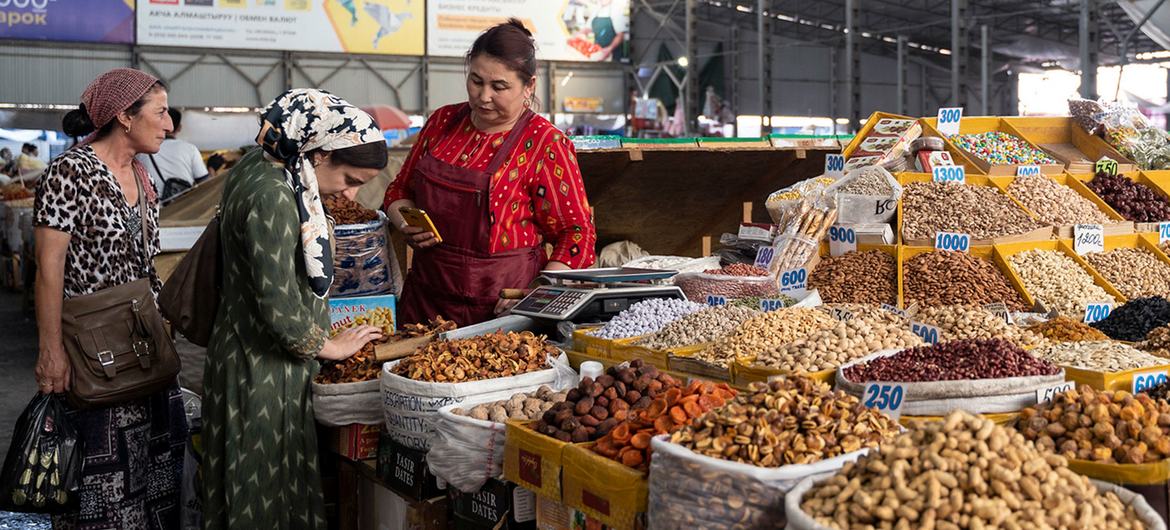
Prices at the Osh Bazaar in Bishkek, Kyrgyz Republic are rising due to inflation.
© IMF/Yam G-Jun
 
Prices at the Osh Bazaar in Bishkek, Kyrgyz Republic are rising due to inflation.
4 January 2024
Economic Development

The UN’s World Economic Situation and Prospects report for 2024 projects a slowdown in global growth from an estimated 2.7 per cent in 2023 to 2.4 per cent in 2024.

The flagship forecast launched in New York on Thursday indicates that last year’s stronger-than-expected GDP growth coming out of the COVID-19 pandemic masked short-term risks and structural vulnerabilities in the world economy.

Tweet URL

The sombre short-term outlook is based on persistently high interest rates, further escalation of conflicts, sluggish international trade, and increasing climate disasters, which all pose significant challenges to global growth.

It points to a prolonged period of tighter credit conditions and higher borrowing costs, presenting strong headwinds for a world economy saddled with debt and in need of more investments to resuscitate growth, fight climate change and accelerate progress towards the Sustainable Development Goals (SDGs).

Escape the quagmire: Guterres

“2024 must be the year when we break out of this quagmire. By unlocking big, bold investments we can drive sustainable development and climate action and put the global economy on a stronger growth path for all,” said UN chief António Guterres.

“We must build on the progress made in the past year towards an SDG Stimulus of at least $500 billion per year in affordable long-term financing for investments in sustainable development and climate action.”

So how do the numbers breakdown? We'll begin our analysis with the scourge of rising prices that continues to bedevil economies large and small:

Inflation

Global inflation is projected to decline further, from an estimated 5.7 per cent in 2023 to 3.9 per cent in 2024. But price pressures are still elevated in many countries and any further escalation of geopolitical conflict will add to that.

 In about a quarter of all developing countries, annual inflation is projected to exceed 10 per cent in 2024, the report highlights.

Since January 2021, consumer prices in developing economies have increased by a cumulative 21.1 per cent, significantly eroding the economic gains made following the COVID-19 recovery.

“Persistently high inflation has further set back progress in poverty eradication, with especially severe impacts in the least developed countries,” said Li Junhua, Head of the UN’s Department of Economic and Social Affairs (DESA).

“It is absolutely imperative that we strengthen global cooperation and the multilateral trading system, reform development finance, address debt challenges and scale up climate financing to help vulnerable countries accelerate towards a path of sustainable and inclusive growth."

Regional disparities

The United States, the world's largest economy, is expected to see a drop in GDP growth from 2.5 per cent in 2023 to 1.4 per cent in 2024. Consumer spending, a key driver of its economy, is likely to weaken due to various factors, including high interest rates and a softening labour market the report says.

Meanwhile China, facing domestic and international headwinds, is projected to experience a moderate slowdown with growth estimated at 4.7 per cent in 2024, down from 5.3 last year.

Europe and Japan also face challenges with growth rates forecasted at 1.2 per cent for both regions in 2024.

Africa’s growth rate is projected to slightly increase from 3.3 per cent in 2023 to 3.5 in 2024.

The report notes that the least developed countries (LDCs) are projected to grow by 5 per cent in 2024, yet this falls short of the 7 per cent growth target under the SDGs

Labour markets

The global labour market presents a mixed post-pandemic picture. Developed countries experienced a robust recovery with low unemployment rates, notably 3.7 per cent in the US and 6 per cent in the EU in 2023, coupled with rising nominal wages and narrowing wage inequality.

However, real income losses and labour shortages pose challenges.

Developing countries show mixed progress; while nations like China, Brazil, Türkiye, and Russia report declining unemployment, gender gaps, and high youth unemployment persist.

Globally, the decline in women’s labor force participation to 47.2 per cent in 2023 (compared to 48.1 in 2013) and the high NEET rate (not in employment, education or training) of 23.5 per cent among youth highlight enduring challenges.

Global Investment

There is a noted slowdown in investment growth across both developed and developing economies.

While developed countries have continued to channel investments into sustainable and technology-driven sectors like green energy and digital infrastructure, developing countries face challenges such as capital flight and reduced foreign direct investment.

Global investment growth is expected to remain low due to economic uncertainties, high debt burdens, and rising interest rates.

Investment in the energy sector, especially in clean energy, is growing but not at a pace sufficient to meet the net-zero-emissions goal by 2050.

International trade

International trade is losing steam as a growth driver, with global trade growth weakening to 0.6 per cent in 2023, recovering to 2.4 per cent in 2024.

The report points to a shift in consumer spending from goods to services, rising geopolitical tensions, supply chain disruptions, and the lingering effects of the pandemic as factors impeding trade growth.

Furthermore, the shift towards protectionist policies in some countries has also influenced trade dynamics, leading to a reevaluation of global supply chains and trade agreements.

International finance and debt

Developing countries face high levels of external debt and rising interest rates, making access to international capital markets difficult. There's a decline in official development assistance and foreign direct investment for low-income countries.

Debt sustainability has emerged as a critical challenge, especially for developing countries, in the wake of rising debt levels and changing global financial conditions.

The increase in global interest rates, a consequence of monetary policy tightening by central banks like the Federal Reserve and the European Central Bank, has escalated debt servicing costs, particularly for countries with foreign currency-denominated debts.

As a result, many countries are grappling with the need for debt restructuring.

Climate change

2023 saw extreme weather condition worsen, including the hottest summer on record since 1880 leading to devastating wildfires, floods and droughts worldwide.

These events have direct economic impacts, such as damage to infrastructure, agriculture and livelihoods.

Studies have predicted substantial losses to the global economy due to climate change. For instance, some estimates suggest a potential reduction of about 10 per cent in global GDP by 2100, considering events like the collapse of the Greenland ice shelf.

Other models indicate that without mitigation of global warming, average global incomes could be 23 per cent lower by 2100.

Multilateralism: Blueprint for action

The 2024 WESP report calls for urgent action to address these diverse challenges. 

It emphasizes the need for strengthened global cooperation, particularly in areas like climate action, sustainable development financing, and addressing the debt sustainability challenges of low and middle-income countries. Enhanced global cooperation is essential.


https://news.un.org/en/story/2024/01/1145282


https://creativecommons.org/licenses/by/3.0/legalcode

среда, 20 декабря 2023 г.

INTERVIEW: The UN’s role in setting international rules on AI


Carme Artigas, Secretary of State for AI and Digitalization, speaking at the SDG Pavilion in September, 2023

INTERVIEW: The UN’s role in setting international rules on AI

UN Partnerships/ Pier Paolo Cito
 
Carme Artigas, Secretary of State for AI and Digitalization, speaking at the SDG Pavilion in September, 2023

1 January 2024

The release of GPT-4 in 2023, along with other powerful easy-to-use Artificial Intelligence tools such as deepfakes and voice cloning, led to heightened calls for regulation of the technology. UN News speaks to Carme Artigas, Co-Chair of the UN’s AI Advisory Body, about the group’s recommendations for advancing the international governance of AI.

Carme Artigas is recognized as one of the foremost authorities on AI. After several years in the private sector, she was named Spain’s first-ever Secretary of State for Digitalization and AI in 2020 and, during her mandate, introduced Spain's National Strategy for AI, National Plan for Digital Skills, and Charter of Digital Rights.

In October 2023, as Co-Chair of the UN’s AI Advisory Body, Ms. Artigas led the 38 members in the production of an interim report, published in December, which concluded that AI “cries out for governance, not merely to address the challenges and risks, but to ensure we harness its potential in ways that leave no one behind.”

On the final day of her mandate, on 28 December, Ms. Artigas reflected on the role of the UN in creating globally agreed regulations on the use of the technology, and why it could herald a better future for all.

Carme Artigas:  I think what makes this wave of A.I. development different is that the technology can continue evolving without human agency, and that it not only affects the economy, but also society, and the role of human beings in this digital world.

It is affecting the way we see reality, which can generate issues of trust. What if we cannot tell the difference between something written by a machine or a human? We will be in a very confusing world.

I think the release of GPT-4 was a “Eureka” moment, when we realized the enormous impact it could have, and why we need some kind of global regulation. 

Also, it was necessary that this is discussed at the UN level, because all the discussions so far have only taken place within a few companies and governments, all of them in the Global North.

UN News: The Advisory Body contains a diverse group of members from the Global South and North, the private and public sectors, and academia. How did you manage to reach agreement on the recommendations in the interim report?

Carme Artigas: It was definitely a challenge, but because some other initiatives had taken place – such as the G7 Hiroshima Plan, the UK’s AI Safety Summit, and regulation around deepfakes in South Korea – we agreed that we needed to come to a global consensus on how can we use artificial intelligence to be better than human intelligence, which has so far only managed to achieve 16 per cent of the Sustainable Development Goals.

The UN is the only authoritative global entity at the global level that has the capacity to gather all these diverse visions, and the members were aligned on the benefits, the opportunity to avoid a global AI divide, ensure that it benefits all people, and is governed in a way that does not hamper innovation, or put fundamental human rights at risk.

UN News: In 2023 some of the most foremost experts on AI called for a pause or even a halt in AI research until governance is more widely agreed. Were they right?

Carme Artigas: I think it's a little bit naive to ask for a pause in innovation. On the contrary, we should accelerate innovation and research, so that the solutions can be found.

I always say that the existential risk is not from an Armageddon created by robots that kills us all. The real existential risk is that we all become mad, because we cannot believe what we are seeing, hearing, or reading.

Also, we need to be very responsible about the sustainability of these technologies, which are playing a very important role in geopolitics these days, in terms of who has access to raw materials and processing power. So, one of the topics we're trying to focus here is how can we allow for universal accessibility of data, computer power, digital skills to allow for a more even and distributed development of AI for good.

UN News: Share some of the ways in which AI will improve the world.

Carme Artigas: I think the AI is a very important tool for democracy, because it can make the knowledge of all humanity available, and make personalized education accessible to all.

It will have a tremendous impact in healthcare , preventing diseases, improving diagnoses, and lowering costs.

And it will be tremendously useful in the achievement of the Sustainable Development Goals, reducing poverty, tackling climate change, and other global challenges that humanity has had limited success in solving.

UN News: Melissa Fleming, the head of communications at the UN, recently told a meeting of Security Council members that the advent of generative AI means the online environment is about to get even worse, undermining public trust in news and information sources.

Is this a source of concern for you, or is the fact that there is more discussion about this issue a sign that we're gearing up to tackle this thread?

Carme Artigas: The fact that we have raised the conversation at the global level gives me a lot of hope.

The news media have a very important role to play, and they must recover their role as “the fourth estate” because we need them more than ever. There are lots of ways that we can verify news, and that’s what serious media organizations should be doing. It’s ok to have different opinions, but you can’t sell fake news, because it just generates uncertainty and a lack of trust.

One or two years ago, when only a few of us were taking about this, I was concerned. But, thanks to GPT-4, everyone has seen how pervasive AI is, and that we need to put some limits on its use


https://news.un.org/en/interview/2024/01/1145192


https://creativecommons.org/licenses/by/3.0/legalcode

среда, 19 апреля 2023 г.

Afghanistan: UN predicts restrictions on women’s rights will worsen economic catastrophe


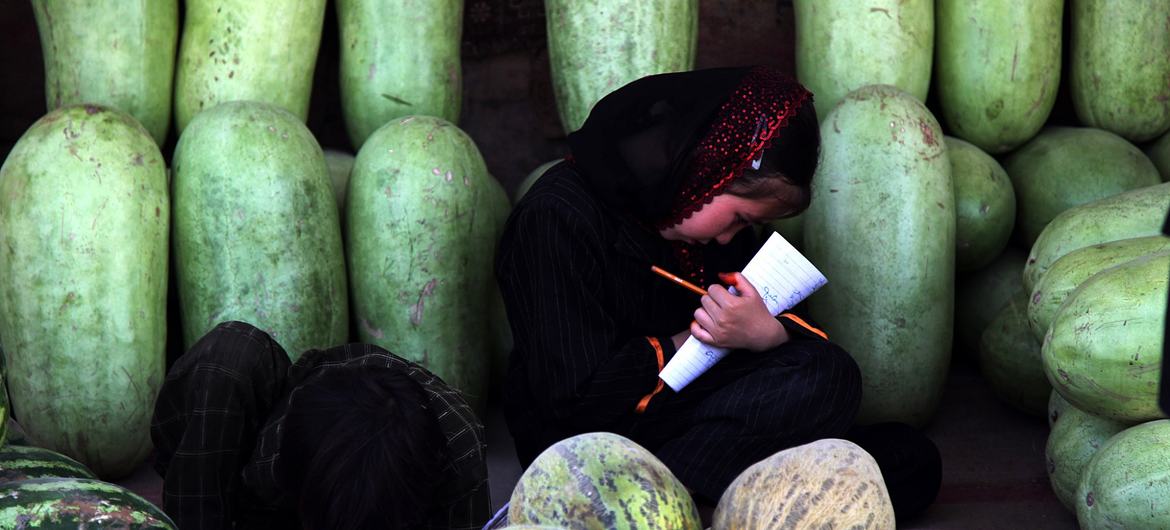
An Afghan girl snatches a moment away from her watermelon selling duties to work on her homework
UNAMA/Farzana Zeba Kalam
 
An Afghan girl snatches a moment away from her watermelon selling duties to work on her homework
18 April 2023
Economic Development

The draconian restrictions on women’s ability to study and work have contributed to the calamitous socio-economic situation in Afghanistan, with devastating consequences for the population, according to a UN report released on Tuesday.

The Afghanistan Socio-Economic Outlook 2023, released by the UN Development Programme (UNDP), provides an overview of the fallout resulting from the takeover of Afghanistan by its present-day de facto rulers, the Taliban, in August 2021.

Immediately after the Taliban assumed power, the Afghan economy collapsed, accelerating Afghanistan’s decade-long slide into poverty; with a population estimated by the UN at about 40 million and GDP of $14.3 billion in 2021, Afghanistan is among the countries with the lowest per capita income in the world, with around 85 per cent of the population estimated to be living below the poverty line.

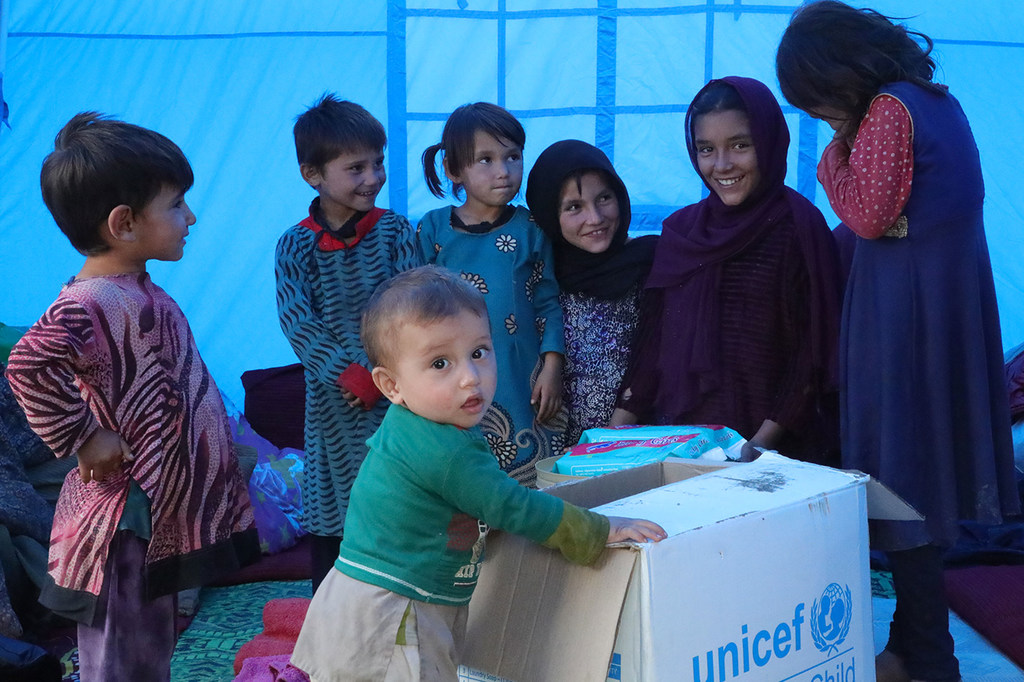
Displaced children livingi in Khoshi District in Afghanistan receive hygeine kits.
© UNICEF/Arezo Haidary
 
Displaced children livingi in Khoshi District in Afghanistan receive hygeine kits.

Overwhelming dependence on international aid

Whilst the report points to some encouraging signs (a rise in exports, an expected eight percent increase in domestic fiscal revenue, stabilization of the exchange rate, and a reduction in inflation), it explains that this is largely down to the large-scale international aid funding ($3.7 billion in 2022, $3.2 billion of which was provided by the UN) sent to Afghanistan in 2022.

This does not point to a lasting recovery: income per person is expected to decline this year and in 2024: UNDP modelling suggests that, if aid drops by 30 per cent, inflation could reach 10 percent in 2024, and average incomes could fall by 40 per cent.

Any reduction in international aid will worsen the economic prospects of Afghanistan, and extreme poverty will perpetuate for decades: the UN aid appeal of $4.6 billion for international assistance in 2023 is therefore the minimum required to help Afghans in need.

No escape from poverty without women in the workplace

Surayo Buzurukova, Deputy Resident Representative, UNDP Afghanistan, at the UNDP office in Kabul.

Surayo Buzurukova, the UNDP Deputy Resident Representative in Afghanistan, told UN News that the Taliban’s decision to highly restrict women’s ability to study and work is an important reason for the economic woes of the country.


“We have run simulations to see how the removal of women from the workforce will affect the economy going forward,” said Ms. Buzurukova. “We calculated that it will not be possible to achieve growth and reduce poverty without women. That’s the message we try to deliver when we speak to the de facto authorities.”


Ms. Buzurukova remains hopeful that the situation will, eventually become less oppressive for women, particularly in the provinces, where the support of women aid workers is in high demand.

“After August 2021, it was difficult to work here, and it took time to be able to engage with the Taliban and ensure that they listened to me. But now I have created a network of trust with senior members of the de facto authorities, at the provincial as well as the national level; it’s very important that they understand the importance of women to the economy.

We continue to deliver services across the country, through our NGO partners, and we have exemptions for the health and education sector, where women can continue to work but, of course the ban is a challenge and staff morale is affected.”

A child is vaccinated against polio during a polio mobillisation campaign in Kandahar, Afghanistan.
© UNICEF/Frank Dejongh
 
A child is vaccinated against polio during a polio mobillisation campaign in Kandahar, Afghanistan.

UNDP in Afghanistan

  • UNDP has been working in Afghanistan for more than 50 years on climate change and resilience, gender, governance, health, livelihoods, and rule of law.

  • Under the broader framework of the Sustainable Development Goals (SDGs) and in close coordination with other UN agencies, UNDP is supporting the Afghan people’s aspiration for peace, prosperity, and sustainability.

  • UNDP is currently implementing its flagship crisis response programme, ABADEI (Area Based Approach to Development Emergency Initiatives), as part of the ongoing UN-led response to prevent a humanitarian catastrophe and the breakdown of Afghanistan’s economy following the August 2021 shift in power.

  • Find out more about UNDP’s work in Afghanistan here.


 https://news.un.org/en/story/2023/04/1135762
https://creativecommons.org/licenses/by/3.0/legalcode