Избранное сообщение

Показаны сообщения с ярлыком Law and Crime Prevention. Показать все сообщения

пятница, 15 марта 2024 г.

UN chief calls for people-centered approach to combat drug stigma


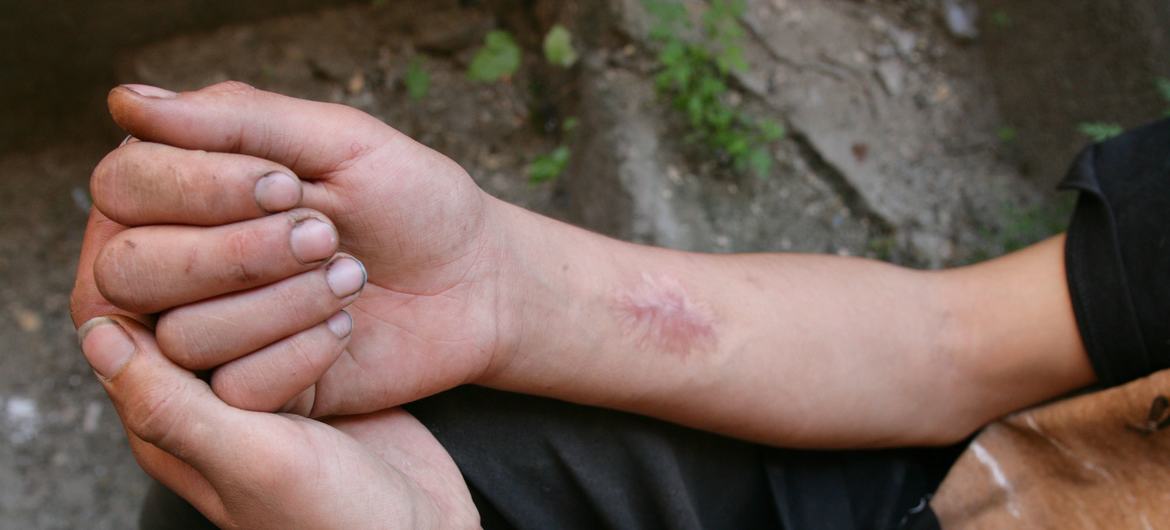
Hands of an injecting drug user in Odesa, southern Ukraine. (file)
© UNICEF/Giacomo Pirozzi
 
Hands of an injecting drug user in Odesa, southern Ukraine. (file)


14 March 2024
Law and Crime Prevention

The UN Secretary-General on Thursday called for “putting people first” by ending the stigma and discrimination around those who use drugs and the expansion of prevention and treatment programmes.

In his message to the opening of the 67th session of the Commission on Narcotic Drugs, Secretary-General António Guterres said the proliferation of powerful street drugs and pharmaceutical misuse needs to be addressed through balanced responses and collective action.

He called for countering drug trafficking, investing in drug use prevention, and ensuring equal access to health care and treatment, while protecting everyone’s rights and dignity.

“We must always strive to put people first by ending stigma and discrimination and strengthening prevention; stressing rehabilitation; upholding the human rights of people who use drugs; and expanding prevention and treatment programmes and health services,” he said.

“Together, let us unite around promoting the health and wellbeing of all people, advancing the Sustainable Development Goals (SDGs), and leaving no one behind,” he added.

Secretary-General António Guterres' message to the Commission on Narcotic Drugs.

Commission on Narcotic Drugs

The Commission on Narcotic Drugs is the UN’s main policymaking body on drug control and drug policy. Established in 1946, it is responsible for monitoring the global drug situation, overseeing the implementation of international drug control treaties, and making recommendations on drug-related matters.

It consists of 53 member States elected by the New York-based Economic and Social Council for terms of three years.

Tweet URL
UNODC

The 67th session of the Commission convenes against the backdrop of an increasingly complex landscape including drug trafficking networks, a record-high supply of certain illicit drugs and limited options for treatment for drug users, according to the UN Office on Drugs and Crime (UNODC).

Evolving challenges

“Drug challenges are evolving swiftly, as synthetics change the market, trafficking networks evolve their business model, and illicit markets overlap with conflict and instability,” said UNODC Executive Director Ghada Waly.

“The global response is at an important juncture, and the Commission on Narcotic Drugs must use this milestone session to unite around balanced responses that safeguard our communities, promote public health, and uphold human rights,” she added.

Ms. Waly also highlighted the urgent need for collective action in combating illicit drugs, calling for unity among nations to leverage international treaties and frameworks as well as greater political will and financial resources to confront the drug problem.

From pledges to action

At the session, which runs through 22 March, States will announce new pledges on addressing the drug scourge and turn policy commitments into action on the ground.

They are also expected to adopt key resolutions on topics related to rehabilitation and recovery management programmes, improving access and availability of controlled substances for medical and scientific purposes, and preventing and responding to drug overdoses.


https://news.un.org/en/story/2024/03/1147556


https://creativecommons.org/licenses/by/3.0/legalcode

понедельник, 26 февраля 2024 г.

Global Cybercrime Treaty: A delicate balance between security and human rights


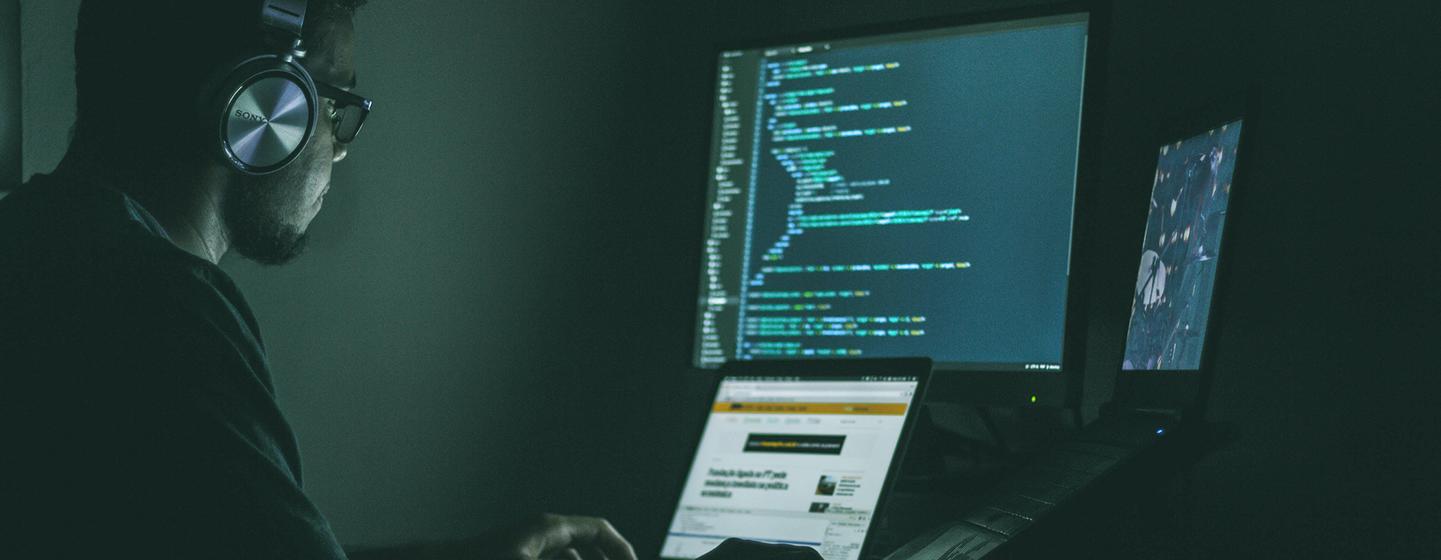
Cybercrime is a multi trillion dollar illegal industry.

Global Cybercrime Treaty: A delicate balance between security and human rights

Unsplash/Jefferson Santos
 
Cybercrime is a multi trillion dollar illegal industry.


25 February 2024
Law and Crime Prevention

Cybercrime is a multi-trillion-dollar business. Drugs and weapons are being bought on the “dark web”, fraudsters are fleecing members of the public in elaborate online scams, and terrorists are grooming supporters and recruiting fighters. 

Recognizing the growing dangers of cybercrime, the UN has set about drafting a legally-binding international treaty to counter the threat. Five years later, negotiations are still ongoing, with parties unable to reach an acceptable consensus, and the latest meeting of the Committee members in February 2024 did not conclude with an agreed draft, with countries unable to agree on wording that would balance human rights safeguards with security concerns.

One of the nongovernmental organizations taking part in the negotiations is Access Now, which defends and extends the digital rights of people and communities at risk around the world. Whilst the February session was still taking place at UN Headquarters, Raman Jit Singh Chima, the Senior International Counsel and Asia Pacific Policy Director for Access Now, stepped out to speak to Conor Lennon from UN News, to explain his organization’s concerns.

Raman Jit Singh Chima: This treaty needs to address “core cybercrime”, namely those crimes that are possible only through a computer, that are sometimes called “cyber dependent” crimes, such as hacking into computer systems, and undermining the security of networks. Clearly, these should be criminalized by states, with clear provisions put in place enabling governments across the world can cooperate with each other. 

If you make the scope of the treaty too broad, it could include political crimes. For example, if someone makes a comment about a head of government, or a head of state, that might end up being penalized under the cybercrime law. 

When it comes to law enforcement agencies cooperating on this treaty, we need to put strong human rights standards in place, because that provides trust and confidence in the process. Also, if you have a broad treaty with no safeguards, every request for cooperation could end up being challenged, not only by human rights advocates and impacted communities, but by governments themselves.

UN News: What has the mood been like in the negotiation room?

Raman Jit Singh Chima: Pretty grim. It was obvious that the process would not be completed by the end of this session, so the secretariat behind the negotiations [the UN Office on Drugs and Crime] circulated a resolution indicating that the process will be suspended, and requesting the Secretary-General’s support to carry forward negotiations later this year.

Actually, our biggest fear sometimes is that there's too much agreement in the room on certain provisions; because of the accelerated pace of these negotiations, there is a desire to come to some sort of agreement, even if the language is not good, and even if it harms human rights.

Sometimes, as is natural, when you put Ministry of Justice officials and prosecutors together in a room, they all tend to agree, because they all want as many powers as they can with few safeguards. And that's why we are in the room, not because we’re worried about the contestation and the politics, which are significant, but because we worry that there will be too much agreement to undermine human rights and lower due process standards. 

UN News: Do you think that we will see a treaty at some point this year? 

Raman Jit Singh Chima: I think that states want to see some sort of outcome, or at least not be seen to be spiking the process or harming it. But if the final product is not good enough, they may not sign it. In fact, a joint statement was put out by civil society, industry and technical experts, that says the current text of this treaty is not fit for purpose, and States should not sign it, or should not even tell the ad hoc committee to accept an outcome report if they go ahead with this current version of the text.

This discussion is taken from the latest episode of the UN’s flagship news podcast, The Lid Is On, which covers the various ways that the UN is involved in global efforts to make AI, and other forms of online technology safer.

You can listen to (and now watch!) The Lid Is On, on all major podcast platforms. 


https://news.un.org/en/interview/2024/02/1146772


https://creativecommons.org/licenses/by/3.0/legalcode